
Most Famous Buildings in Bucharest, Romania
Impressive architecture


Arcul de Triumf
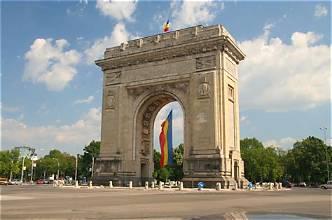
The Arcul de Triumf is a monumental arch that commemorates Romania's victory in World War I and the Great Union of 1918. Located on Kiseleff Road, it stands as a symbol of national pride and unity, inaugurated in its current form in 1936. It is modeled after the Arc de Triomphe in Paris and features Romanian sculptures and a 27-meter height. It celebrates Romania's military achievements and is a site for national celebrations, particularly military parades on December 1.
Basarab Bridge
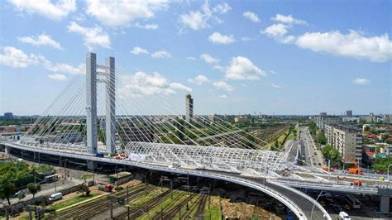
The famous cable-stayed bridge, the Basarab Bridge, was designed by engineer Professor Gheorghe Pătrașcu, who held the chair of bridge engineering until 2006. This bridge is notable for its innovative design and serves as a crucial transportation link in the city. It features a main span of 168 meters supported by a single pylon, making it a unique cable-stayed structure. The bridge accommodates road traffic and tram lines and includes a multimodal station, enhancing urban transport connectivity. The bridge spans across the Dambovita River.
Biserica Stavropoleos
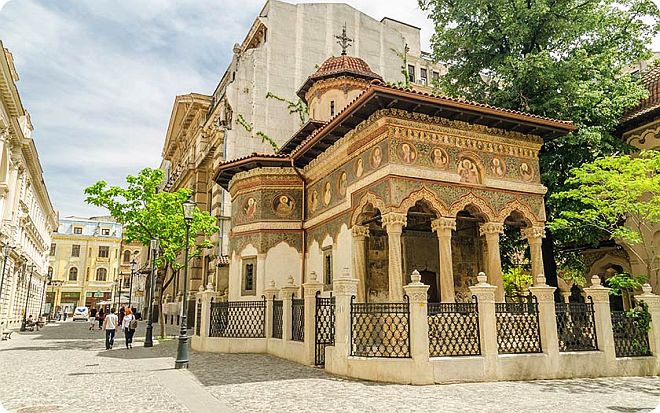
Biserica Stavropoleos is an Eastern Orthodox monastery known for its stunning Brâncovenesc architectural style. Built in 1724, it serves as a significant cultural and historical landmark, blending Byzantine influences with local traditions. It features a unique blend of Brâncovenesc and Byzantine styles, making it a remarkable example of Romanian architecture. The church is not only a place of worship but also a cultural hub, hosting various religious and community events.
Cantacuzino Palace
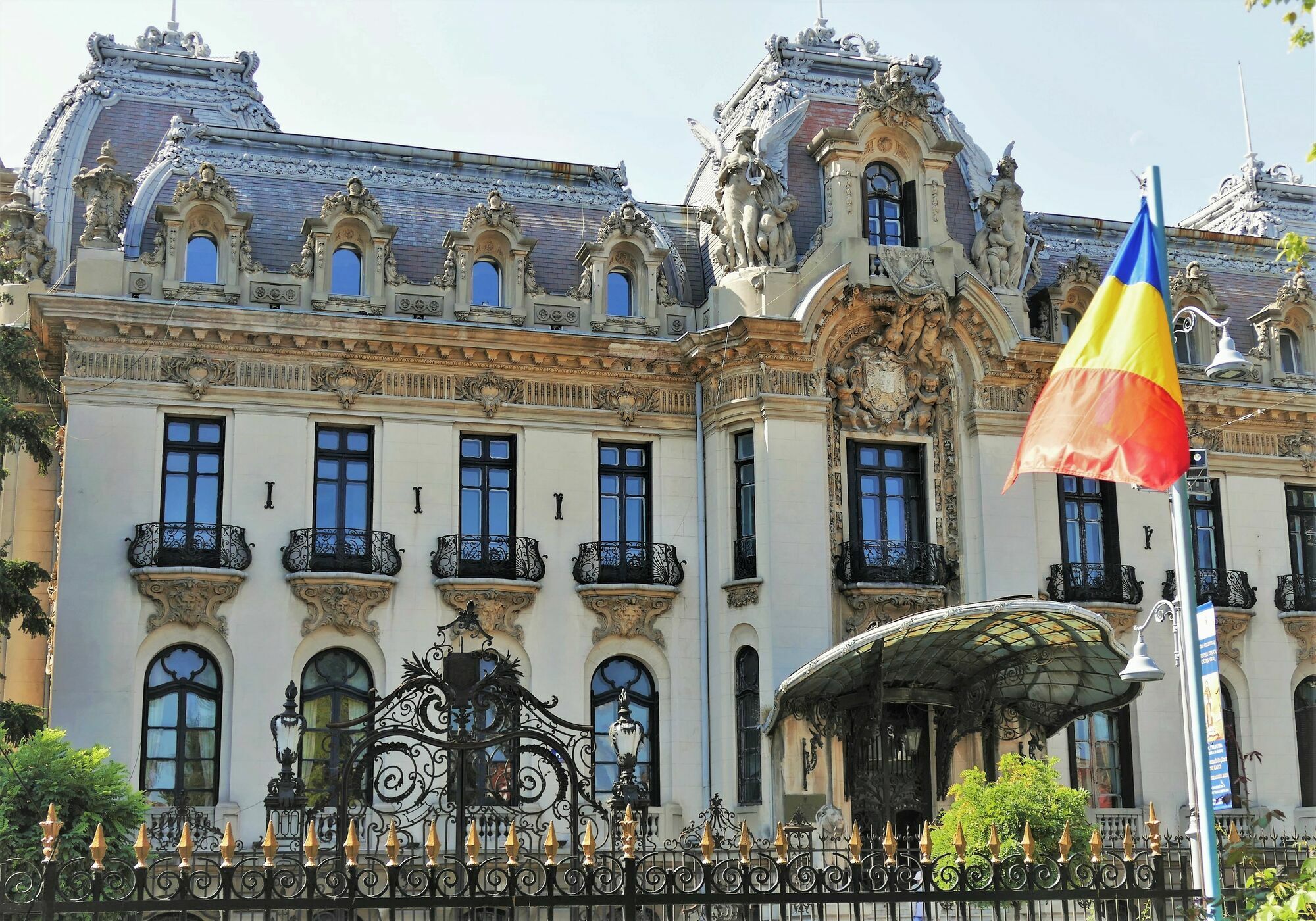
Cantacuzino Palace is a stunning architectural masterpiece built between 1898 and 1906 in the Beaux-Arts style. Originally commissioned by Prince Gheorghe Grigore Cantacuzino, it now houses the George Enescu National Museum, showcasing the life and works of the famous Romanian composer. The palace features a blend of Beaux-Arts and Rococo Revival styles, designed by architect Ion D. Berindey. It hosted the signing of the Treaty of Bucharest in 1913, marking its importance in Romanian history.
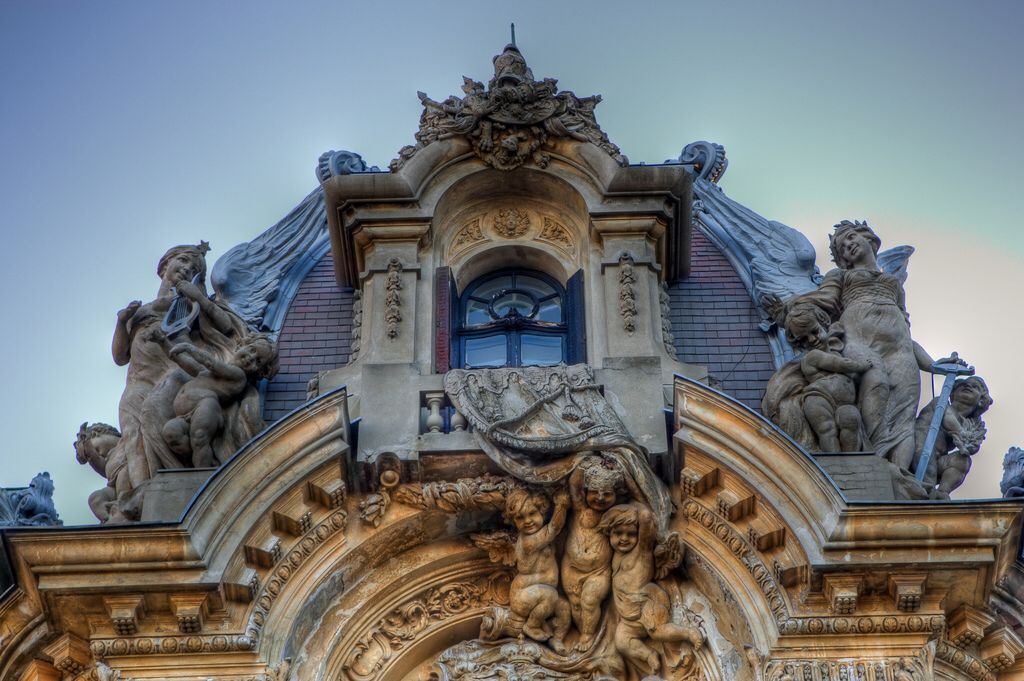
The castle features several notable statues, including allegorical figures that represent various virtues and artistic themes. These sculptures enhance the palace's grandeur and reflect its Beaux-Arts architectural style.
Carousel of Light
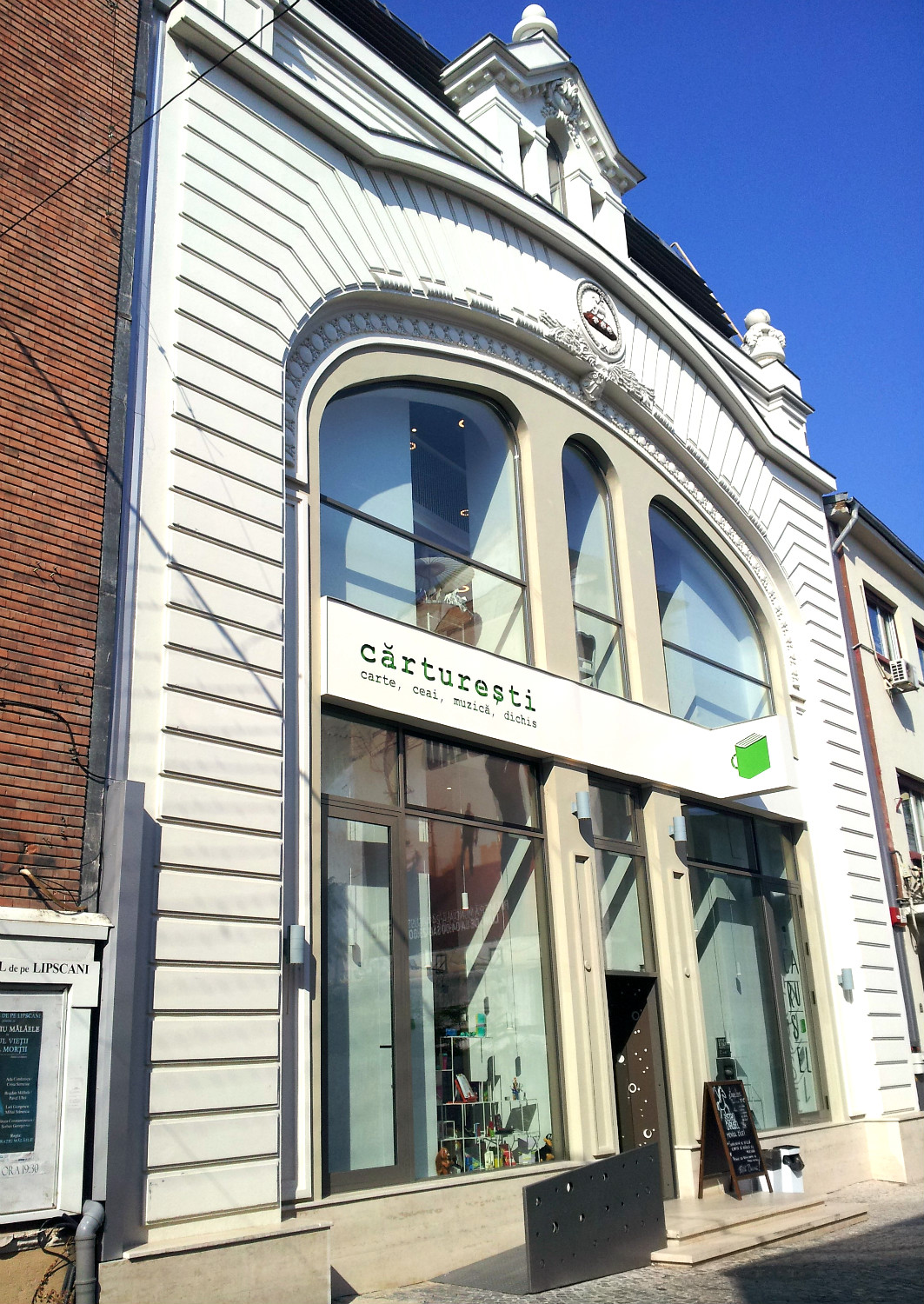
Cărturești Carusel, also known as the Carousel of Light, is a stunning six-story bookstore located in Bucharest's Old Town. Renowned for its elegant architecture and vast selection of over 10,000 books. The bookstore features a unique design with spiral staircases and luminous white interiors, contributing to its nickname, the Carousel of Light.
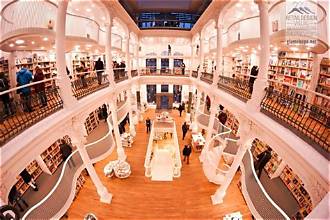
Its predominantly white interior is bathed in natural light, creating a serene ambiance. The bookstore hosts various cultural events, including book launches, art exhibitions, and workshops, fostering a vibrant community atmosphere.
Casa Presei Libere
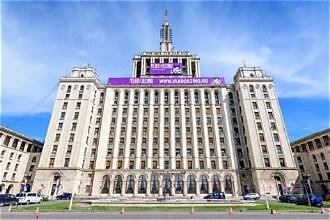
Casa Presei Libere, also known as the House of the Free Press, is a significant Stalinist building. Constructed between 1952 and 1956, it served as a hub for state media, particularly the newspaper Scînteia, and is notable for its architectural style and historical importance. It was the tallest building in Bucharest from 1956 until 2007, symbolizing the power of the communist regime. The building features a mix of Soviet architectural elements and local religious motifs, making it a unique landmark.
CEC Palace
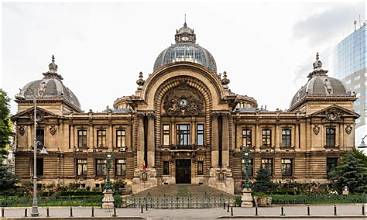
Palatul CEC, or the CEC Palace, is a historic bank building known for its stunning Beaux-Arts architecture and a prominent glass dome. Completed in 1900, it serves as the headquarters of CEC Bank and is a significant landmark on Calea Victoriei, reflecting the architectural grandeur of the Belle Époque era in Romania. Built between 1897 and 1900, it was originally intended to house the national savings and consignment bank.
Muzeul Satului
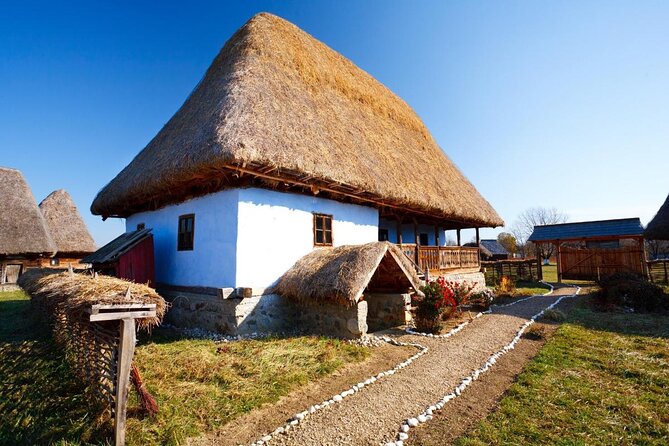
Muzeul Satului, or the Village Museum, is an open-air ethnographic museum showcasing traditional Romanian village life through various historical structures and artifacts. Founded in 1936 by sociologist Dimitrie Gusti, it serves as a cultural and educational resource, attracting many visitors each year. It includes over 300 traditional buildings from various Romanian regions, such as wooden churches and peasant homes. The museum aims to preserve and promote Romanian rural heritage, reflecting the country's diverse cultural history.
National Museum of Art of Romania
The National Museum of Art of Romania houses the most significant collection of Romanian and international art, showcasing works from the medieval period to modern times. It is situated in the former Royal Palace and features both permanent and temporary exhibitions. It features extensive collections of Romanian medieval and modern art, as well as European art. The building exhibits neoclassical design, characterized by its grand columns and symmetrical shapes. It stands as a key cultural institution in Bucharest, attracting visitors with its artistic and architectural splendor. (pictured above)
Palace of the Parliament
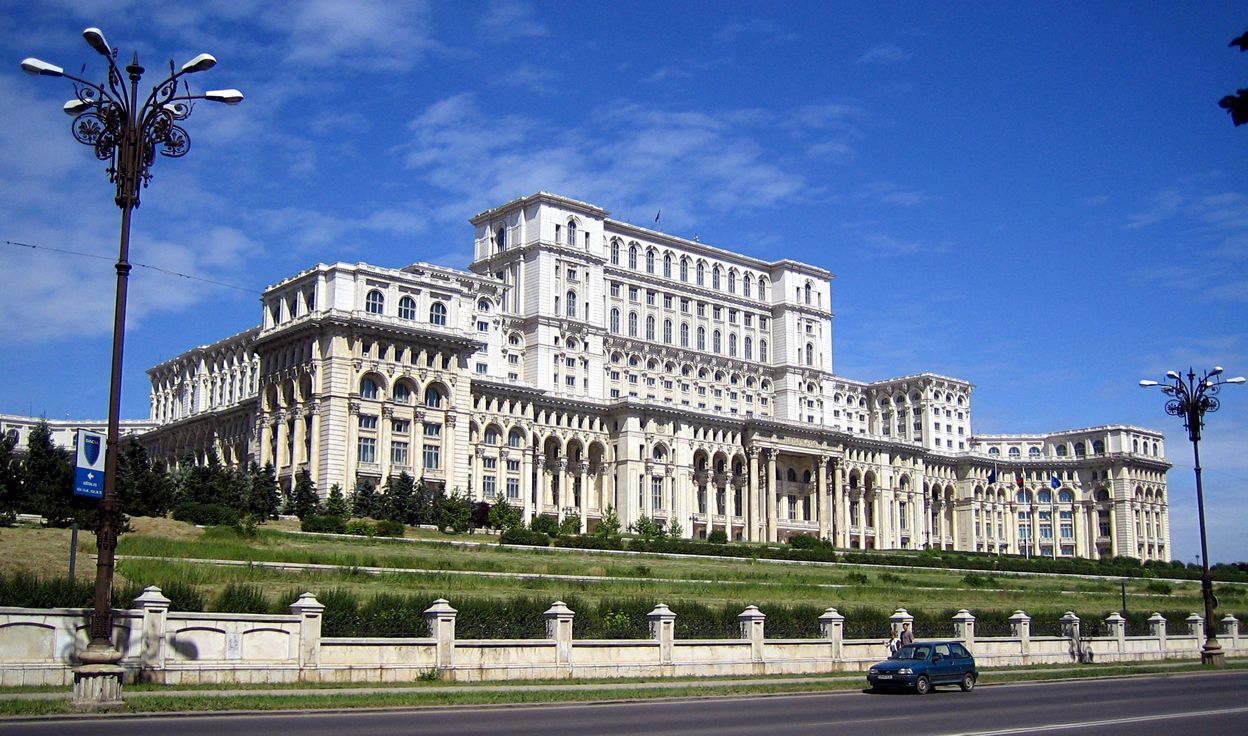
The Palace of the Parliament is situated atop Dealul Spirii, one of the seven traditional hills of Bucharest, and is one of the largest and heaviest buildings in the world, known for its grand architecture and controversial history. Constructed between 1984 and 1997 under Nicolae Ceaușescu's regime, it serves as the seat of the Romanian Parliament and houses several museums. It contains over 1,100 rooms, showcasing opulent interiors. The design reflects a mix of socialist realism and neoclassical styles, making it a unique architectural landmark.
Romanian Athenaeum
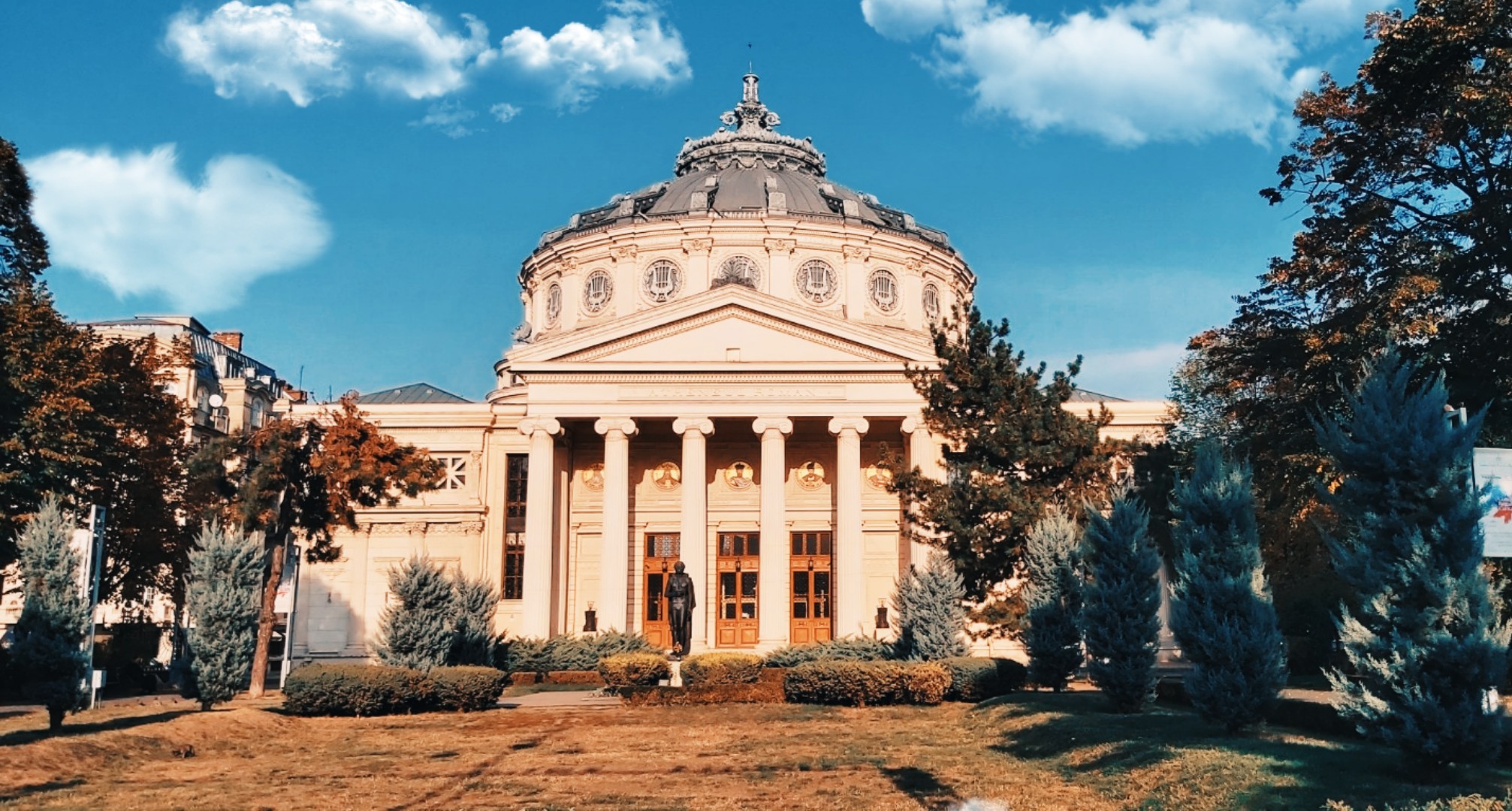
The Romanian Athenaeum is a renowned concert hall and cultural landmark, celebrated for its neoclassical architecture and rich history. It serves as the home of the George Enescu Philharmonic Orchestra and hosts numerous concerts and cultural events throughout the year. It is one of the oldest and most important cultural institutions in Bucharest, attracting thousands of visitors annually.
About the Creator
Rasma Raisters
My passions are writing and creating poetry. I write for several sites online and have four themed blogs on Wordpress. Please follow me on Twitter.
Enjoyed the story? Support the Creator.
Subscribe for free to receive all their stories in your feed. You could also become a paid subscriber, letting them know you appreciate their work.
Comments
There are no comments for this story
Be the first to respond and start the conversation.