
Most Famous Buildings in Brussels, Belgium
Impressive architecture

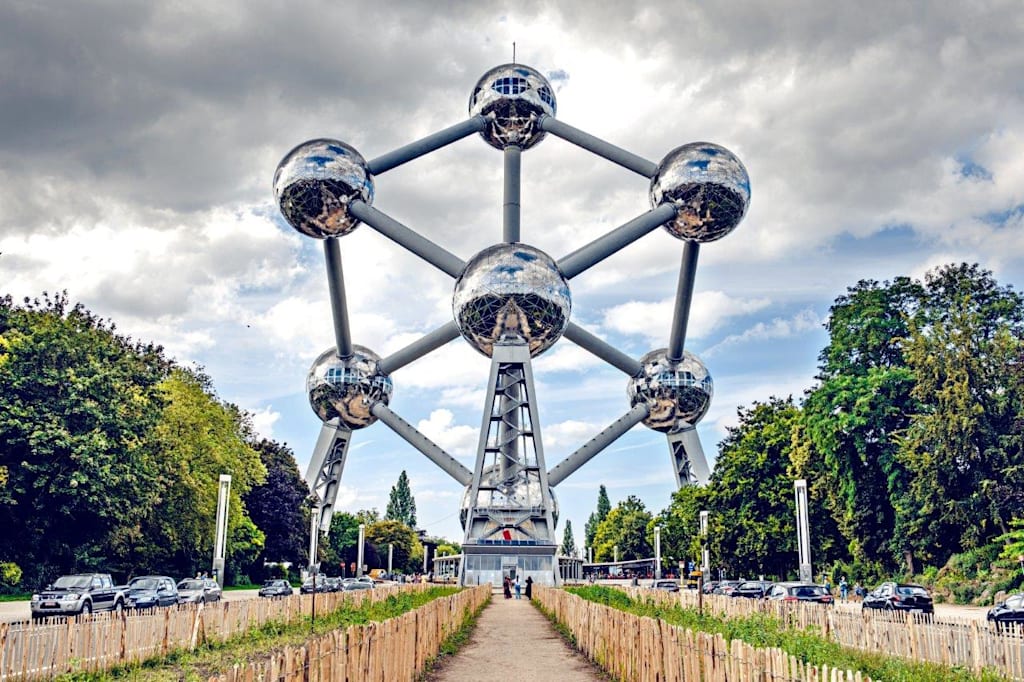
The Atomium is a prominent landmark originally built for the 1958 Brussels World's Fair (Expo 58). It represents a magnified model of an iron crystal, symbolizing scientific progress and modernity. It is designed as a model of an iron crystal, magnified 165 billion times. The Atomium stands at 102 meters tall, making it one of Brussels' tallest structures. It consists of nine spheres, each measuring 18 meters in diameter, connected by tubes. Over half of the visit is dedicated to exhibitions, particularly in digital arts. Visitors can access six spheres through interconnected pathways. The highest sphere features a restaurant with panoramic views of Brussels.
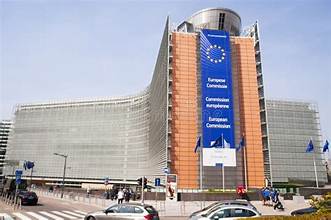
The Berlaymont building is the headquarters of the European Commission. This iconic structure, known for its distinctive cruciform shape, was constructed between 1967 and 1969 and serves as a central hub for EU governance and administration. It was designed by architect Lucien de Vestel and features a modernist style typical of the 1960s. While interior access is limited, the exterior and surrounding area offer insights into EU governance and history.
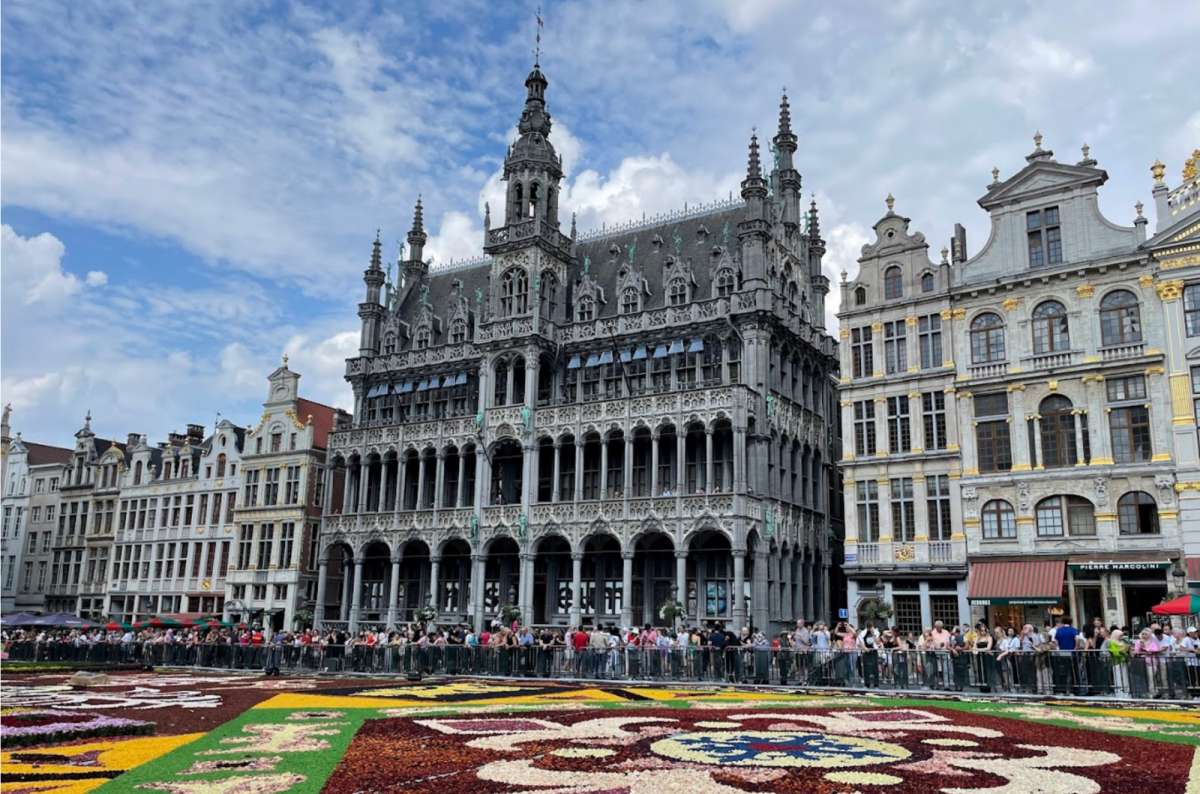
The Brussels City Museum, located in the Grand Place, showcases the rich history and culture of Brussels through over 7,000 artifacts, including paintings and tapestries. Established in 1887, it aims to make the city's history accessible to both locals and visitors. The museum is situated in the Maison du Roi and is a UNESCO World Heritage Site. It features more than 7,000 items, including historical artifacts, paintings, and tapestries.
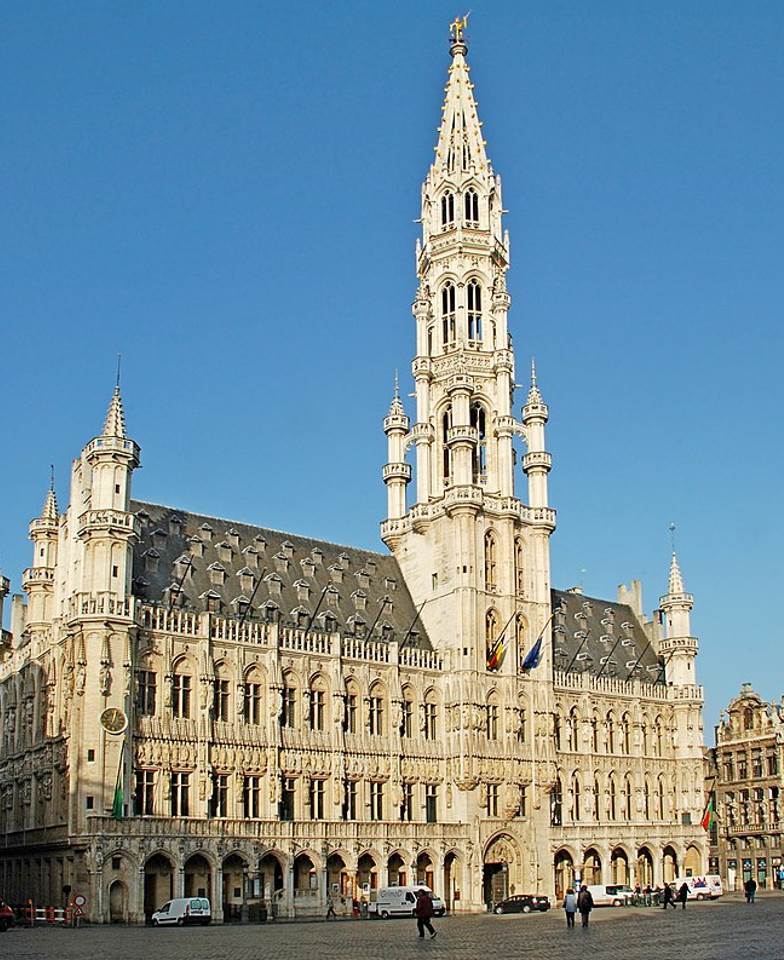
Brussels Town Hall, located in the Grand Place, is renowned for its stunning Gothic architecture and historical significance, having been constructed between 1401 and 1455. It serves as a symbol of the city and hosts various cultural events, including the famous Flower Carpet festival. Erected between 1401 and 1455, it is the only remaining medieval building in the Grand Place.
Brussels Town Hall was primarily designed by the Flemish architect Jacob van Thienen around 1402, with contributions from Jan van Ruysbroek. The construction began in the early 1400s and was completed in 1455. The bell tower reaches a height of 315 feet, making it a prominent feature of the Brussels skyline.
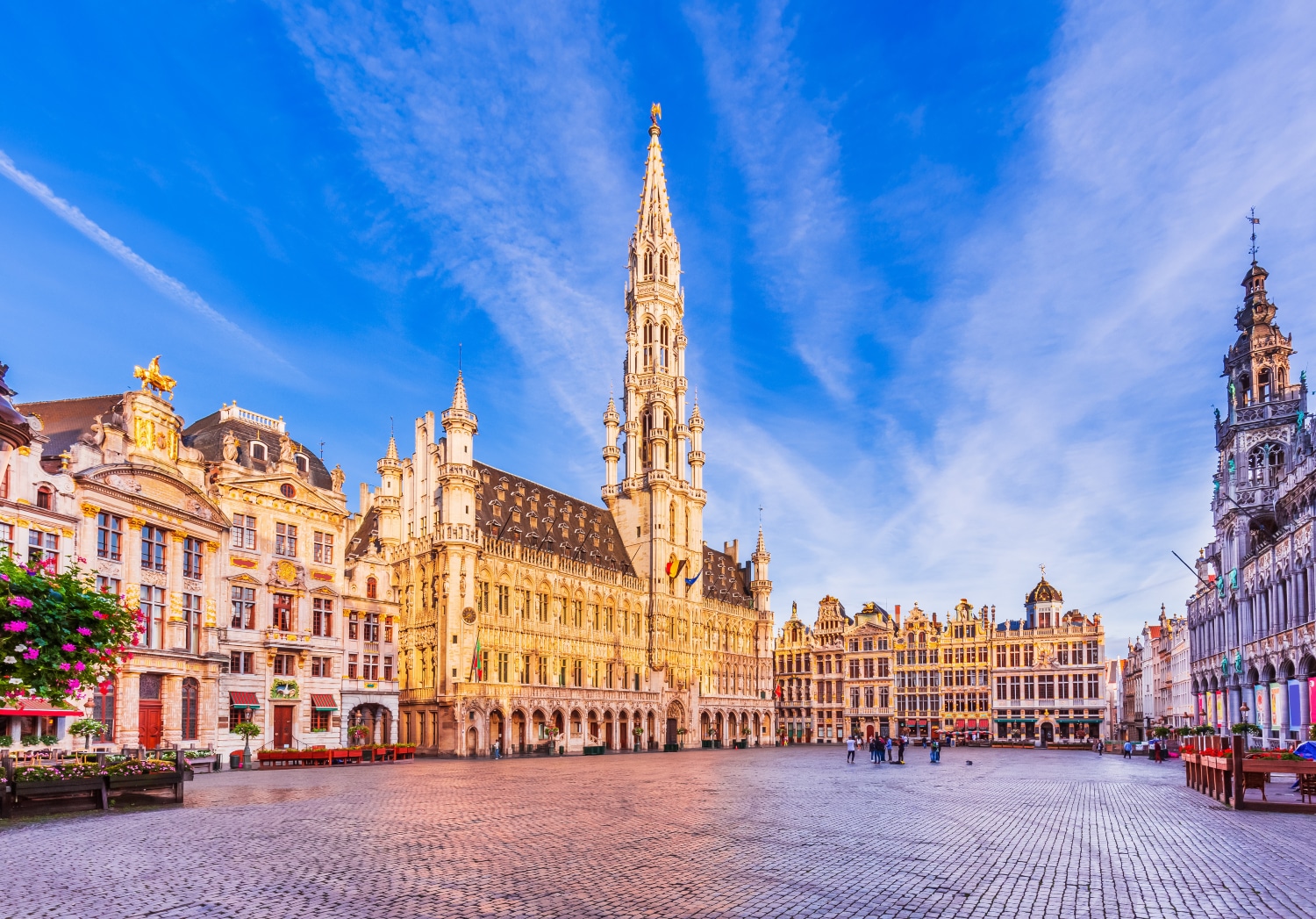
The Grand Place, also known as the Grote Markt, is the central square of Brussels, renowned for its stunning architecture and historical significance. It serves as a focal point for events and gatherings, surrounded by opulent guildhalls and the Town Hall, making it a UNESCO World Heritage site. It features ornate guildhalls and the impressive Town Hall, showcasing Gothic and Baroque styles.
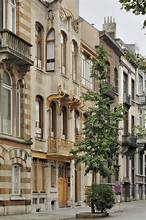
The Horta Museum is dedicated to the life and work of Victor Horta, a key figure in the Art Nouveau movement. Located in his former home and studio, the museum showcases his architectural innovations and artistic contributions to the city. Horta is considered the father of Belgian Art Nouveau, influencing many architects and artists.
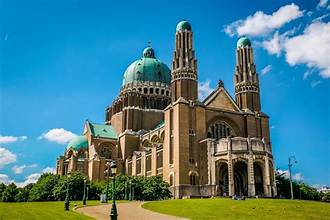
The National Basilica of the Sacred Heart is located on top of Koekelberg Hill in the western part of the city and is one of the largest churches in the world, dedicated to the Sacred Heart of Jesus. Its construction began in 1905 and was completed in 1970, symbolizing Belgian independence and featuring Art Deco architecture. The first stone was laid by King Leopold II during the 75th anniversary of Belgian independence. It serves as an active Catholic basilica, hosting national ceremonies and parish celebrations.
The Royal Museums of Fine Arts of Belgium were originally established by Napoleon Bonaparte in 1801, and the first branch opened its doors in 1803. The museums are situated in the Royal District of the City of Brussels on the Coudenberg and consists of six different museums.
The Old Masters Museum showcases an extensive collection of European art from the 15th to the 18th centuries, including masterpieces by renowned artists like Rubens and Bruegel. It features a blend of neoclassical and modern architectural styles, reflecting its historical significance and contemporary renovations. Originally designed by architect Victor Horta, the museum has undergone various updates to enhance its display of artworks from the 15th to the 18th centuries.
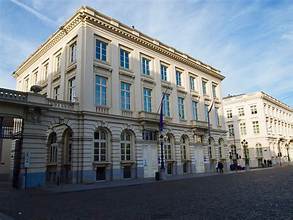
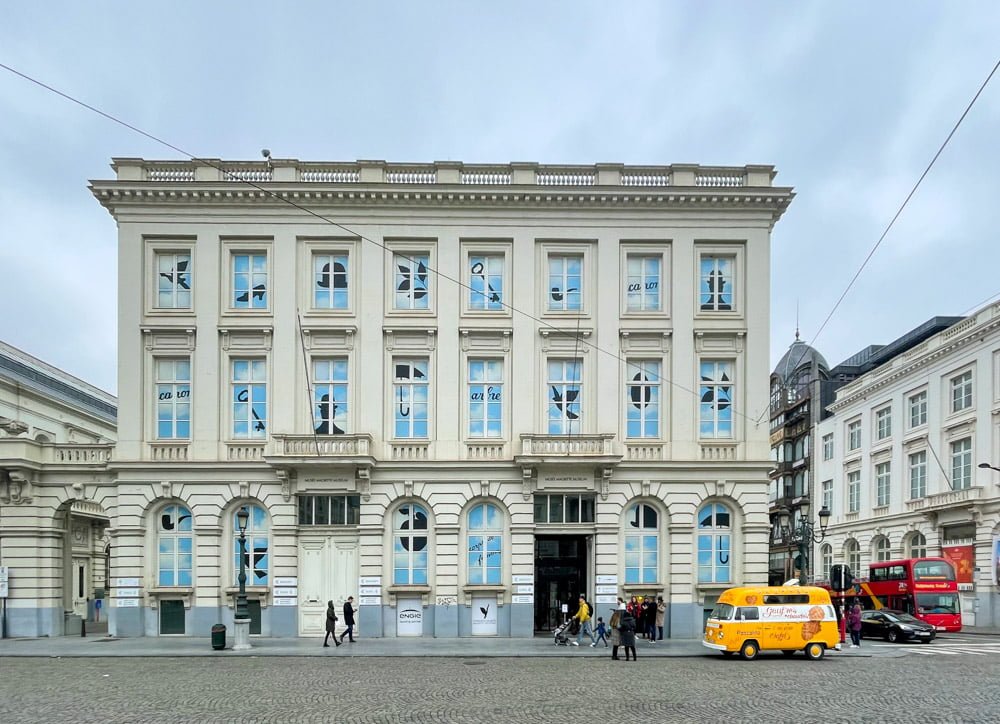
The Magritte Museum houses the largest collection of works by the renowned Belgian surrealist René Magritte, featuring over 230 pieces, including paintings, drawings, and sculptures. It is housed in a neoclassical building that was part of an architectural complex built after the Palace of Coudenberg burned down in 1731.
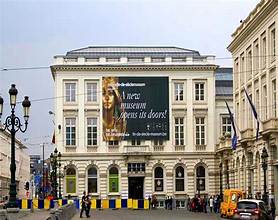
The Fin-de-Siecle Museum is dedicated to the arts of the period between 1884, when the Societe Libre des Beaux Arts was founded in Brussels, and 1914, the year of the outbreak of WWI.
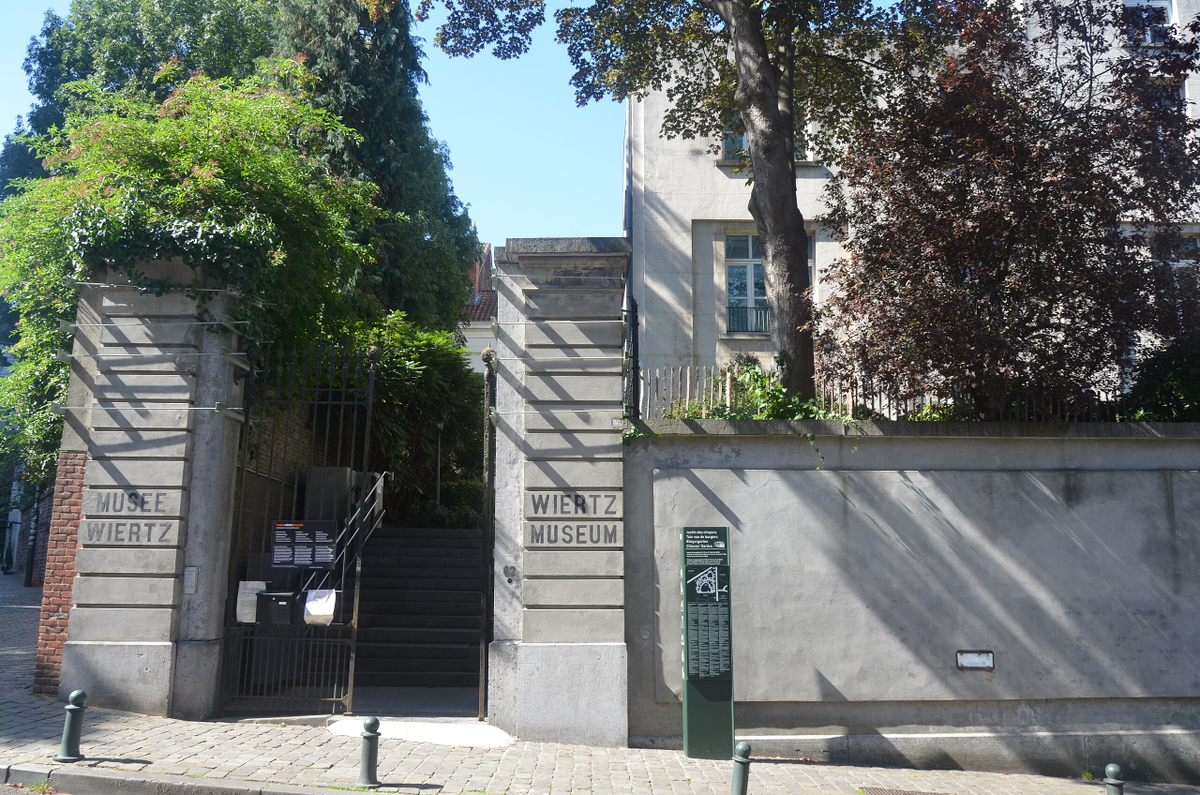
The Wiertz Museum offers the artworks of the painter, sculptor, and thinker Antoine Wiertz, who was one of the most controversial Belgian romantic artists of his time.
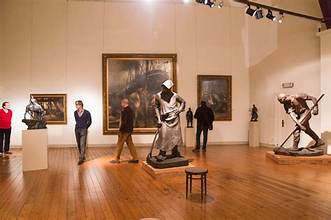
The Meunier Museum is dedicated to the artwork of the realist painter and sculptor Constantin Meunier.
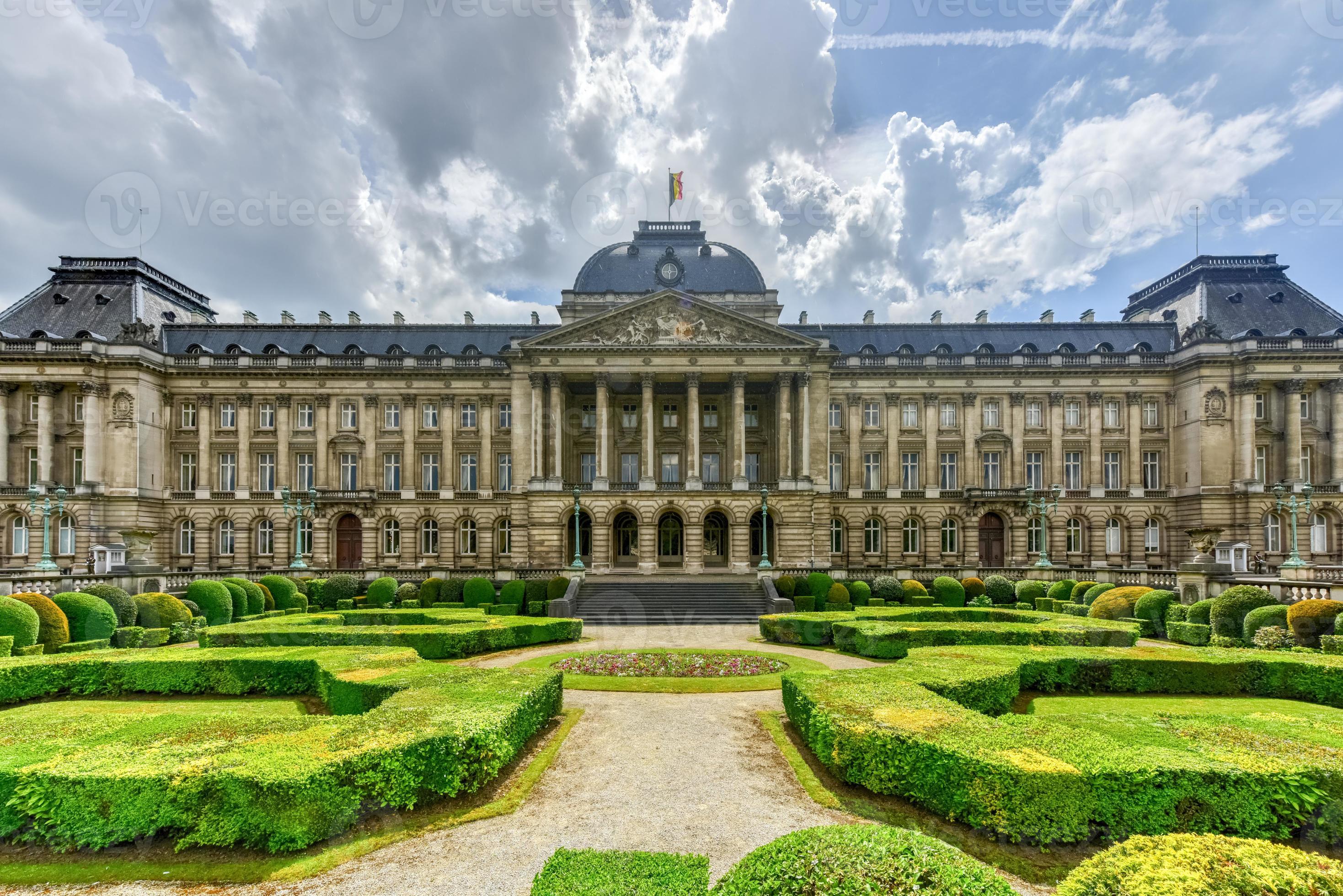
The Royal Palace of Brussels serves as the official palace of the King and Queen of Belgium, functioning as their administrative residence and workplace. It is open to the public during the summer months, allowing visitors to explore its historical significance and architectural beauty. It houses offices for the king and queen and rooms for state guests, symbolizing the constitutional monarchy of Belgium.
The palace features various revival styles, particularly influenced by King Leopold II, and includes a central wing and two side wings surrounding a courtyard.
About the Creator
Rasma Raisters
My passions are writing and creating poetry. I write for several sites online and have four themed blogs on Wordpress. Please follow me on Twitter.
Enjoyed the story? Support the Creator.
Subscribe for free to receive all their stories in your feed. You could also become a paid subscriber, letting them know you appreciate their work.
Comments
There are no comments for this story
Be the first to respond and start the conversation.