
Most Famous Buildings in Bern, Switzerland
Impressive architecture

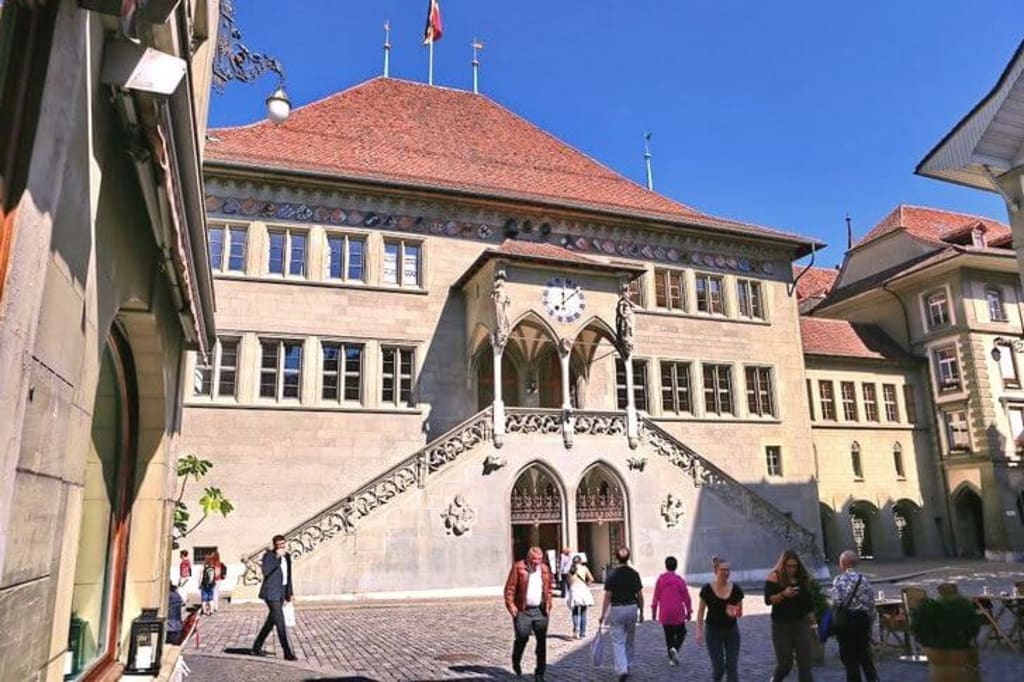
Bern City Hall
Right in the center of the Old Town, the Bern City Hall is a meeting place for local politicians. It is a stunning example of late Gothic architecture, constructed between 1406 and 1415 and featuring a distinctive hipped roof. Its impressive sandstone façade and intricate details reflect the historical wealth and political significance of Bern. The sandstone façade is notable for its symmetry and grand staircase, enhancing its visual appeal.
Bern Old Town Viewpoint
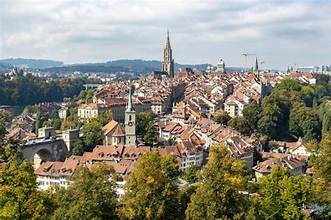
The Bern Old Town Viewpoint offers an amazing glimpse of the UNESCO World Heritage Site, the medieval Old Town. The Old Town features cobblestone streets, Gothic cathedrals, and charming red rooftops.
Cathedral of Bern
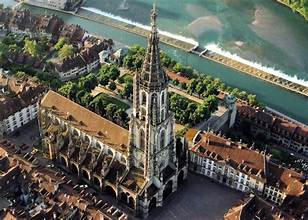
An amazing example of late Gothic architecture, the Cathedral of Bern stands in the Old Town. It is the tallest cathedral in Switzerland with a bell tower that features a massive bell weighing ten tons. The cathedral was primarily built by volunteers and completed over several centuries, with construction beginning in 1421 and finishing in 1893. It features intricate sculptures and stained glass.
Einstein House
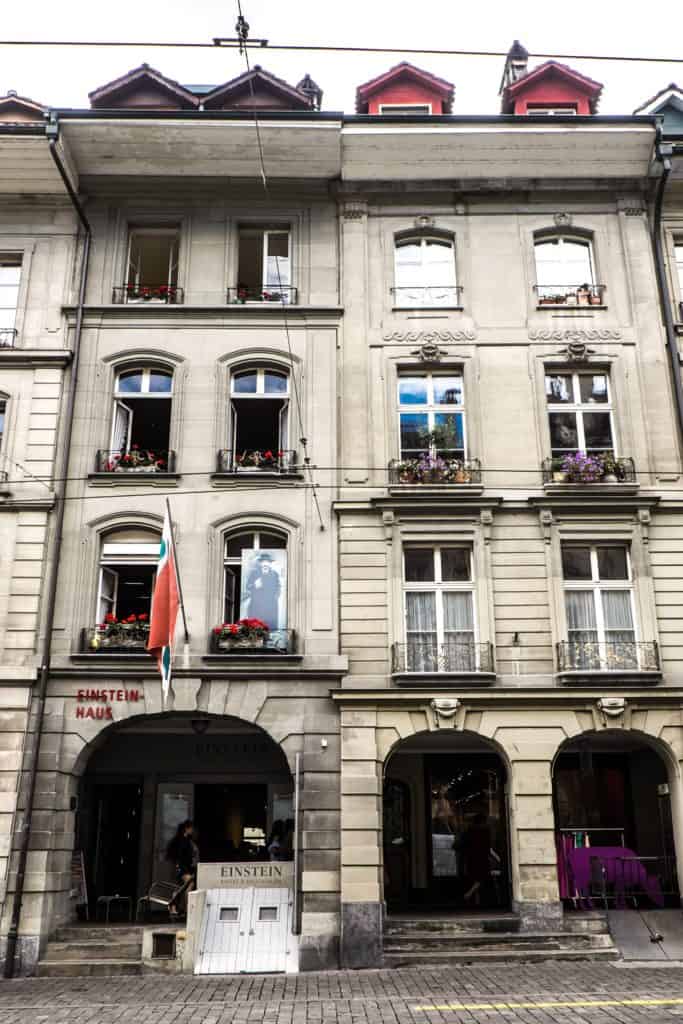
German-born theoretical physicist Albert Einstein lived in a second-floor flat of the Einstein House from 1903 to 1905. The apartment is now a museum showcasing period furniture, books, and photographs offering a look into the life of the famous physicist.
The house is a historic residence that showcases a blend of late 19th-century architectural styles, primarily reflecting the aesthetics of the period. The house is situated at Kramgasse No. 49 in Bern's Old Town, a UNESCO World Heritage site.
Kirchenfeldbrücke
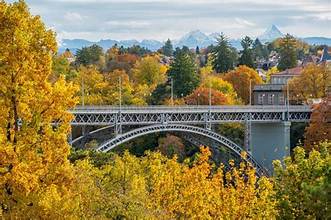
The most popular bridge is the Kirchenfeldbrücke, known for its stunning architecture and scenic views of the city. Completed in 1883, it connects the Old Town with the newer neighborhoods and is a favorite spot for both locals and tourists. Offers breathtaking views of the Aare River and the surrounding landscape. This remarkable structure, completed in 1883, is celebrated for its stunning architectural design and serves as a vital thoroughfare for pedestrians and cyclists.
Parliament Building
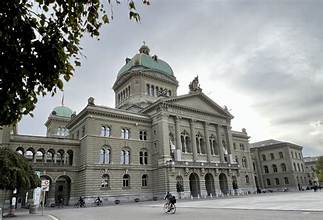
Also referred to as Bundeshaus, the Parliament Building is the hub of Swiss democracy and home to the Swiss Federal Assembly and Federal Council. TI was built in 1902 and features a cupola-topped dome.
The building is a striking example of neo-Renaissance architecture, designed by Hans Wilhelm Auer and constructed between 1894 and 1902. Its impressive dome rises about 60 meters, and the building showcases a rich artistic decoration that reflects Switzerland's cultural diversity and history. The interior and exterior are adorned with rich artistic decorations that symbolize the history and cultural diversity of Switzerland.
Zentrum Paul Klee
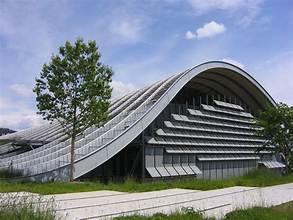
This unique art museum is dedicated to renowned Swiss artist Paul Klee. It houses the world’ most important collection of the artist’s artwork. There are around 4000 works of art, and the museum features two exhibition halls displaying paintings, drawings, and watercolors created by Klee.
Zentrum Paul Klee is an architectural marvel designed by Renzo Piano, featuring a wave-shaped structure that harmonizes with its natural surroundings. The building's design mimics the rolling hills of the Bern landscape. Large glass facades allow natural light to illuminate the galleries, enhancing the viewing experience of Klee's artworks. The center not only houses Klee's works but also serves as a venue for exhibitions, concerts, and educational programs.
Zytglogge
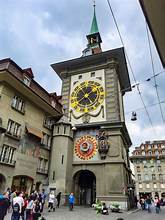
The Zytglogge is a historic clock tower built in the early 13th century. It has served various roles throughout its history, including as a guard tower and civic memorial, and is renowned for its astronomical clock and animated figurines that perform at the hour.
This 12-meter-high tower features mechanical moving figures that come to life on the hour, including a parade of bears, a jester, a golden rooster, and Chronos, the god of time.
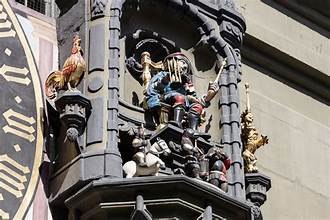
It showcases a blend of Gothic and Baroque architectural styles and features an intricate clock mechanism installed in 1530. The clock, designed by craftsman Kaspar Brunner in 1530, includes five interconnected movements, showcasing advanced engineering for its time.
About the Creator
Rasma Raisters
My passions are writing and creating poetry. I write for several sites online and have four themed blogs on Wordpress. Please follow me on Twitter.
Enjoyed the story? Support the Creator.
Subscribe for free to receive all their stories in your feed. You could also become a paid subscriber, letting them know you appreciate their work.
Comments
There are no comments for this story
Be the first to respond and start the conversation.