
Most Famous Buildings in Amsterdam, Netherlands
Impressive architecture


Anne Frank House
The Anne Frank House is a biographical museum dedicated to Anne Frank, a Jewish wartime diarist. It is located in the actual building where she and her family hid from the Nazis during World War II, and it offers visitors a poignant insight into her life and experiences. Guests can explore the Secret Annex and view original artifacts, photographs, and quotes.
It features a blend of historical preservation and modern architectural design, emphasizing transparency and openness through its innovative use of light and space. The restoration respects the original structure while enhancing visitor experience with a new light court and split-level design.
Concertgebouw
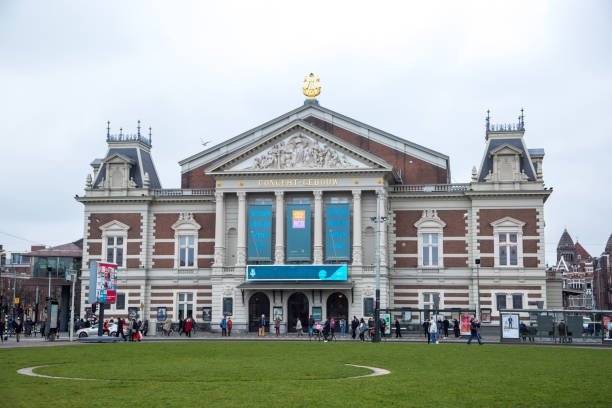
The Concertgebouw is renowned for its exceptional acoustics and architectural beauty, making it one of the finest concert halls globally. Opened in 1886, it features a blend of neoclassical and modern design elements, housing both classical and jazz performances, including the unique Jazz Orchestra of the Concertgebouw. The building showcases a neoclassical style, completed in 1886, with significant renovations in the late 20th century.
Nemo Science Museum
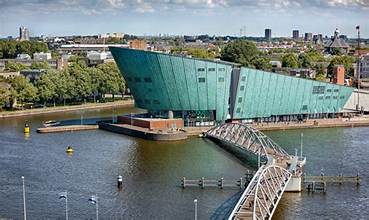
NEMO Science Museum in Amsterdam is the largest science center in the Netherlands, offering interactive exhibits and hands-on activities for visitors of all ages. Visitors can engage with numerous hands-on displays that make learning about science fun. The museum hosts workshops that allow participants to conduct experiments and explore scientific concepts.
It was designed by Renzo Piano and features a striking modern architecture that emphasizes openness and accessibility, distinguishing it from the city's historic museums. Its design symbolizes maritime themes, reflecting Amsterdam's identity as a port city. The museum incorporates eco-friendly elements, aligning with contemporary architectural practices.
Nieuwe Kerk
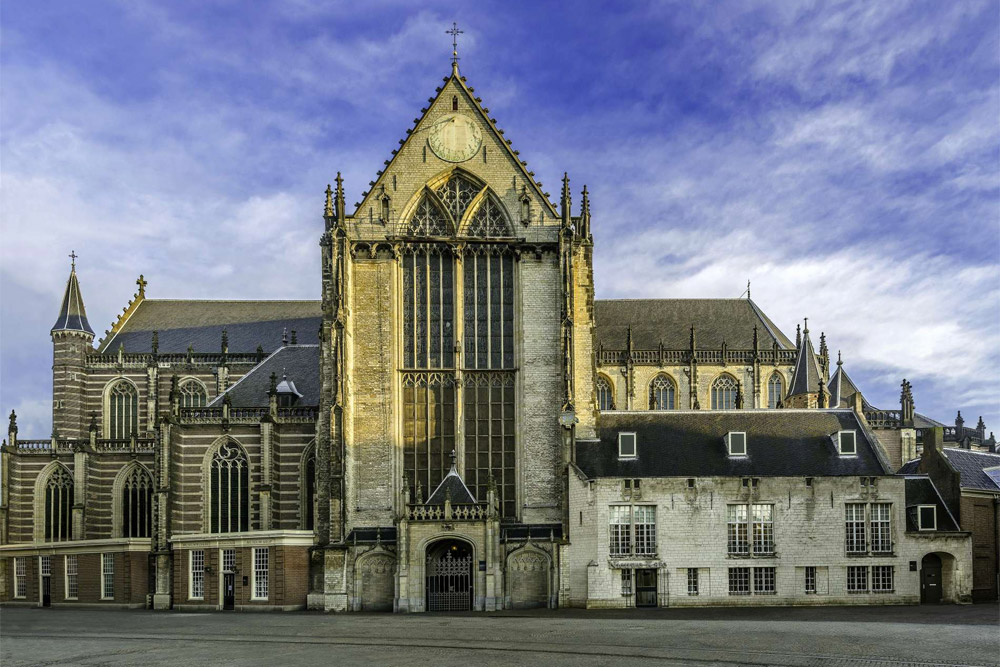
Nieuwe Kerk in Amsterdam was constructed in phases from 1380 to 1408. The church was built to accommodate the growing population, as the older Oude Kerk became too small. The main structure was completed around 1540, with additional elements added during later restorations.
Rembrandt House Museum
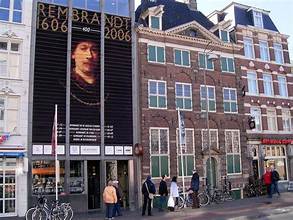
The Rembrandt House Museum is the former home of the famous Dutch painter Rembrandt van Rijn, where he lived and worked from 1639 to 1658. It showcases his life, art, and the environment in which he created many masterpieces. Visitors can explore original artworks, personal belongings, and reconstructions of his studio.
It features a blend of historic and modern architecture, showcasing the original 17th-century structure alongside contemporary design elements like a new copper façade that reflects Rembrandt's artistic legacy. A new façade designed by ZJA Architects incorporates folded copper panels, harmonizing with the historic surroundings. The façade features a magnified detail from Rembrandt's etching 'Isaac and Jacob,' sandblasted into the copper.
Rijksmuseum
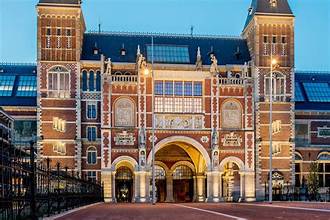
The Rijksmuseum houses an extensive collection of Dutch art and history. The museum features masterpieces from renowned artists such as Rembrandt, Vermeer, and Hals. Notable works include Rembrandt's The Night Watch and Vermeer's The Milkmaid. In addition to paintings, the collection includes over 15,000 everyday objects, such as tableware and textiles, showcasing Dutch craftsmanship. The museum itself is a work of art, designed in a neo-Gothic style by Pierre Cuypers, reflecting Dutch art history.
Royal Palace of Amsterdam
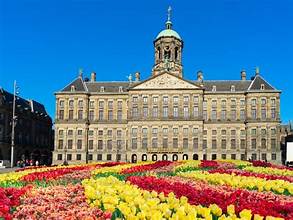
The Royal Palace of Amsterdam, known as Koninklijk Paleis Amsterdam, serves as a royal residence and is a significant historical building originally constructed as the city hall in the 17th century. It is located on Dam Square and is open to the public for most of the year. The palace features neoclassical architecture designed by Jacob van Campen, showcasing impressive sculptures and paintings. It is used for official receptions and state visits, highlighting its role in the Dutch monarchy.
Trippenhuis
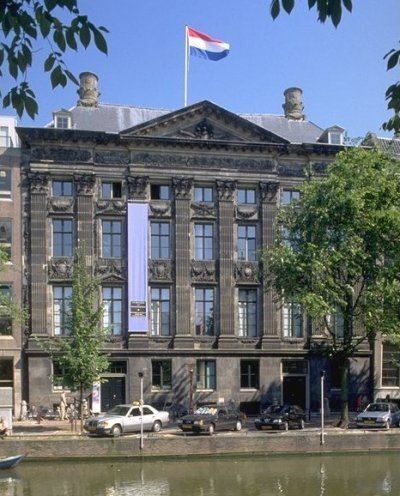
The Trippenhuis is an impressive example of a neoclassical building named after the weapons traders Louis and Hendrick Trip. The building was constructed between 1660 and 1662, and many references to their trade business were integrated into the facade of the building. This building features the longest facade of any other residence in the city upon completion and was designed as a double residence. Since 1887, the building has been used as the headquarters of the Royal Netherlands Academy of Arts and Sciences (KNAW).
Westerkerk
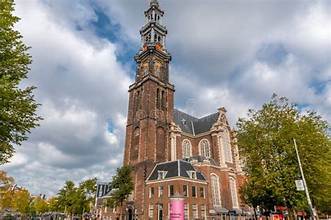
Westerkerk is an amazing church that is located in the western part of the city center. Completed between 1620 and 1631 it is a Reformed Church of Dutch Protestant Calvinism. The church incorporates Renaissance architecture. Along with the Westertower at 87 meters above the ground, this is the tallest church in the city.
The Westerkerk was built by architect Hendrick de Keyser between 1620 and 1631, with its completion overseen by his son Pieter de Keyser. The church was inaugurated on June 8, 1631.
About the Creator
Rasma Raisters
My passions are writing and creating poetry. I write for several sites online and have four themed blogs on Wordpress. Please follow me on Twitter.
Enjoyed the story? Support the Creator.
Subscribe for free to receive all their stories in your feed. You could also become a paid subscriber, letting them know you appreciate their work.
Comments
There are no comments for this story
Be the first to respond and start the conversation.