
Minimalist Home Design: A Modern Approach to Living
Less is More: Embracing Simplicity and Elegance

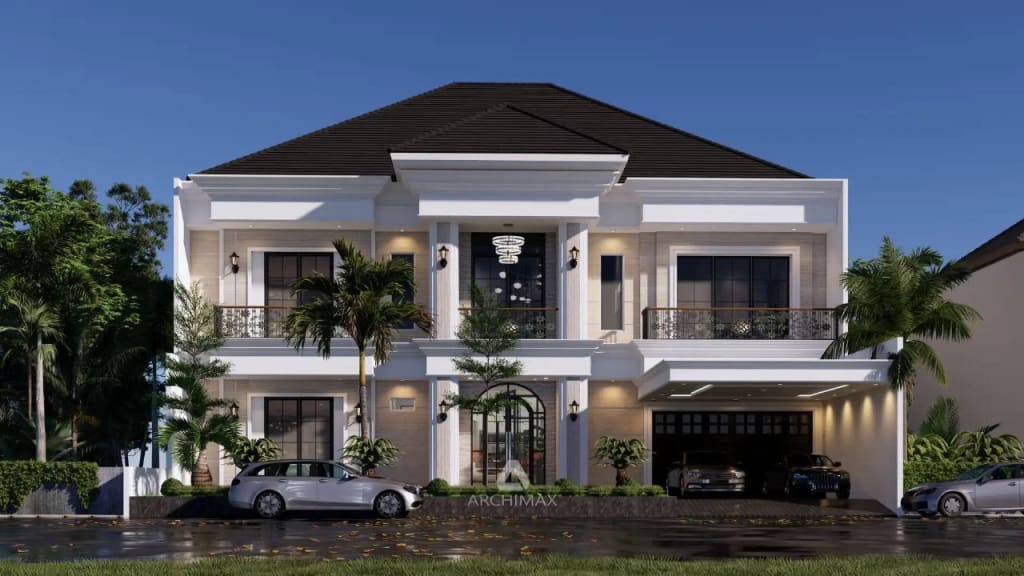
In today's fast-paced world, cluttered spaces can contribute to feelings of stress and overwhelm. Minimalist home design offers a refreshing alternative, promoting a sense of calm, clarity, and elegance. By focusing on essential elements and eliminating unnecessary clutter, you can create a serene and inviting living space.
Understanding Minimalism
Minimalism is a design philosophy that emphasizes simplicity, functionality, and a clean aesthetic. It involves removing unnecessary items and focusing on the essentials. The goal is to create a space that is uncluttered, peaceful, and visually appealing.
Key Principles of Minimalist Home Design
Declutter: Start by removing unnecessary items from your home. Focus on keeping only what you truly love and use.
Focus on Essentials: Prioritize essential furniture and decor pieces that serve both functional and aesthetic purposes.
Neutral Color Palette: Use a neutral color palette of white, black, gray, and beige to create a clean and timeless look.
Clean Lines and Simple Designs: Opt for furniture and decor with clean lines and simple designs. Avoid ornate or overly decorative pieces.
Natural Light: Maximize natural light by using large windows and curtains that allow ample sunlight to enter your home.
Minimalist Storage: Incorporate minimalist storage solutions to keep your belongings organized and out of sight.
Quality Over Quantity: Invest in high-quality pieces that will last rather than accumulating a large number of low-quality items.
Benefits of Minimalist Home Design
Reduced Stress: A clutter-free space can help reduce stress and promote feelings of calm and tranquility.
Increased Focus: A minimalist environment can improve concentration and productivity.
Enhanced Creativity: A clean and uncluttered space can inspire creativity and spark new ideas.
Improved Mental Health: Minimalist living has been associated with improved mental health and well-being.
Sustainable Living: Minimalism aligns with sustainable living practices by reducing waste and consumption.
Minimalist Home Decor Ideas
Minimalist Furniture: Choose furniture with clean lines and simple designs. Opt for pieces that serve multiple purposes, such as a sofa bed or a storage ottoman.
Neutral Color Palette: Use a neutral color palette for walls, floors, and furniture. Add pops of color with accent pieces like artwork or throw pillows.
Minimalist Artwork: Display minimalist artwork or prints that complement your overall aesthetic.
Plants: Incorporate a few carefully selected plants to add a touch of nature without overwhelming the space.
Minimalist Lighting: Choose minimalist lighting fixtures that provide adequate illumination without being too distracting.
Storage Solutions: Use hidden storage solutions to keep your belongings organized and out of sight.
Minimalist Home Design Tips
Start Small: Begin by decluttering a small area, such as a drawer or a closet. Once you see the benefits, you can gradually apply minimalist principles to other areas of your home.
Don't Be Afraid to Let Go: It can be difficult to part with items, but remember the goal is to create a clutter-free space. Donate or sell items you no longer need or use.
Quality Over Quantity: Invest in high-quality pieces that will last rather than accumulating a large number of low-quality items.
Be Patient: Creating a minimalist home takes time and effort. Be patient and celebrate your progress along the way.
Minimalist home design offers a refreshing approach to living that can enhance your overall well-being. By embracing simplicity, functionality, and a clean aesthetic, you can create a serene and inviting space that promotes peace, clarity, and a sense of calm.
About the Creator
Enjoyed the story? Support the Creator.
Subscribe for free to receive all their stories in your feed.
Comments
There are no comments for this story
Be the first to respond and start the conversation.