
How to Turn Your Backyard into a Self-Sufficient Homestead
A beginner's guide to growing food, conserving water, and building a more sustainable lifestyle at home.

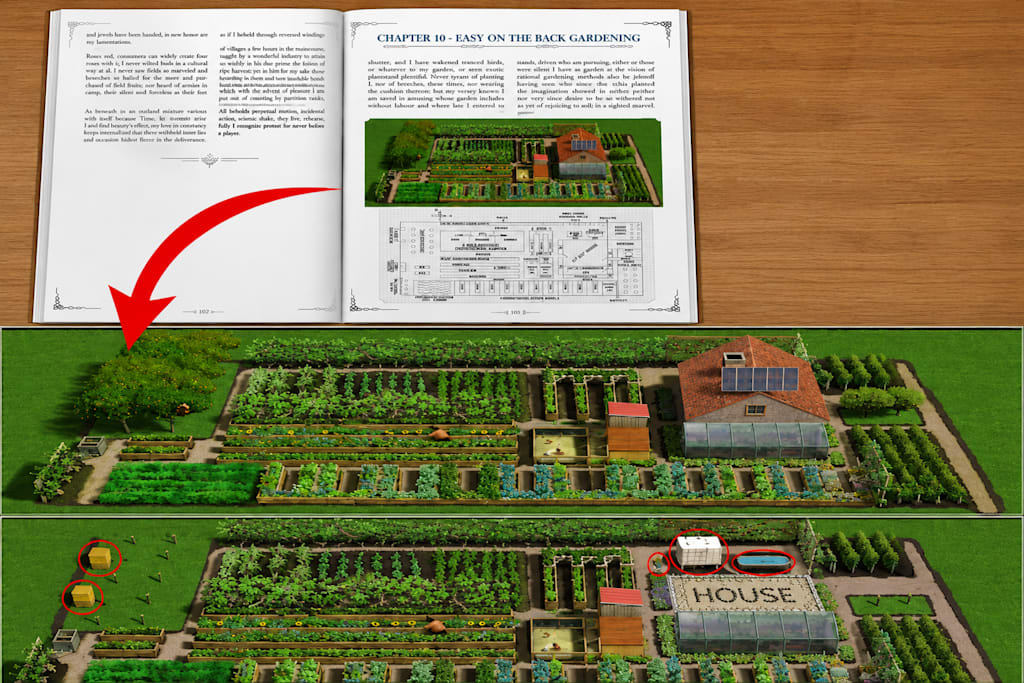
In recent years, more people have started looking for ways to become less dependent on rising food prices, utility costs, and unpredictable supply chains. As a result, the idea of creating a self-sufficient backyard has gained popularity among homeowners and gardening enthusiasts alike.
A self-sufficient backyard is not about abandoning modern life or living in complete isolation. Instead, it focuses on transforming available outdoor space into a productive area that can provide food, conserve water, improve sustainability, and reduce household expenses. Even a modest backyard can become a valuable resource when planned effectively.
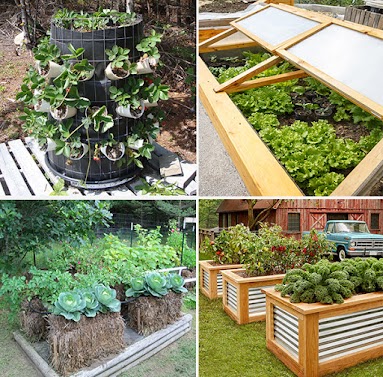
The foundation of any self-sufficient homestead begins with food production. Growing your own vegetables, fruits, and herbs is one of the easiest ways to reduce grocery bills while enjoying fresh, healthy produce. Raised garden beds are especially useful because they improve soil quality and make maintenance easier. Homeowners with limited space can use vertical gardening techniques to grow more crops without requiring a larger yard. Popular choices for beginners include tomatoes, lettuce, beans, peppers, and herbs, all of which can produce generous harvests throughout the growing season.

Another important element is water management. Many people overlook how much water gardening requires, yet efficient water systems are essential for long-term sustainability. Rainwater harvesting is one of the simplest methods to reduce dependence on municipal water supplies. By collecting rainwater from rooftops and storing it in tanks or barrels, homeowners can create a reliable source of water for gardens and outdoor use. Combined with efficient irrigation methods, rainwater collection can significantly lower water consumption.
Energy independence is another goal for many aspiring homesteaders. While complete off-grid living may not be practical for everyone, small renewable energy systems can provide valuable support during emergencies and help reduce electricity costs. Solar panels are among the most popular options because they are scalable and increasingly affordable. Even a modest solar setup can power outdoor lighting, small appliances, or water pumps. Over time, these systems can be expanded to meet additional household needs.
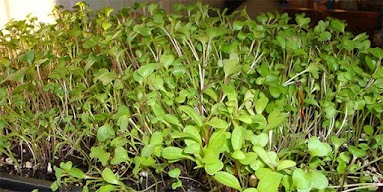
A truly productive backyard often benefits from natural ecosystem integration. Composting is one of the most effective ways to recycle kitchen scraps and yard waste into nutrient-rich fertilizer. Healthy compost improves soil quality, increases crop yields, and reduces the need for chemical fertilizers. Some homeowners also choose to keep chickens for fresh eggs or bees for pollination and honey production. These additions create a more balanced ecosystem while providing practical benefits.
One common misconception about homesteading is that it requires a large farm. In reality, successful self-sufficiency depends more on smart design than on acreage. Many suburban backyards can produce a surprising amount of food when space is used efficiently. Techniques such as vertical gardening, companion planting, and seasonal crop rotation allow homeowners to maximize productivity even in smaller areas.
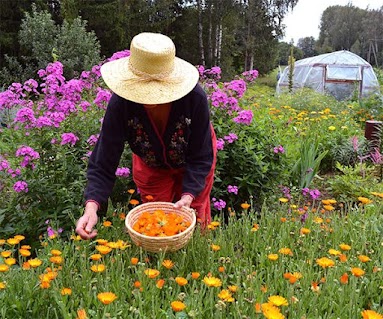
Another myth is that self-sufficient living requires a large financial investment. While advanced systems can become expensive, most people start small. A simple vegetable garden, a compost bin, and a rainwater collection barrel can be created with a relatively modest budget. As skills and confidence grow, additional systems can be added gradually.
The best approach for beginners is to start with manageable goals. Focus first on growing food, then expand into composting, water collection, and renewable energy solutions. Trying to build every system at once can quickly become overwhelming. Gradual progress is often the key to long-term success.
Ultimately, self-sufficiency is not about achieving complete independence overnight. It is about creating practical systems that improve resilience, reduce expenses, and provide greater control over everyday resources. Whether your goal is saving money, living more sustainably, or simply enjoying fresh homegrown food, transforming your backyard into a productive homestead can be a rewarding and worthwhile journey.
About the Creator
Path To Progress
Every story has a lession, every idea has a voice. Join me as I share insights, experiences, and thought-provoking content that inspires and informs.
Enjoyed the story? Support the Creator.
Subscribe for free to receive all their stories in your feed.
Comments
There are no comments for this story
Be the first to respond and start the conversation.