
How Coffee Boxes Influence Consumer Choices
How Coffee Box Design Shapes Consumer Preferences
In today’s fast-paced world, coffee is more than just a morning beverage—it's an integral part of daily life for millions. Whether enjoyed at home, in the office, or at a local café, the ritual of drinking coffee has become a significant part of our social and cultural routines. But with so many coffee brands and varieties competing for consumer attention, what actually influences a consumer's decision when choosing one product over another?
While many factors come into play—such as taste, price, and brand loyalty—one of the most important yet often overlooked aspects is the packaging. Personalized coffee boxes for weddings, which encompass everything from the design and structure to the materials used, play a significant role in shaping consumer choices. In this blog, we will explore how coffee packaging impacts buying decisions, how it reflects brand identity, and the psychological principles at work when consumers interact with these products.
The First Impression:
The role of packaging in any product’s success cannot be overstated. It is the first thing a consumer notices when browsing a shelf or scrolling through an online marketplace. In fact, research shows that a significant portion of consumer purchasing decisions are made within seconds of seeing a product on the shelf. Packaging serves as a visual cue that helps shoppers quickly decide whether or not they are interested in a particular item.
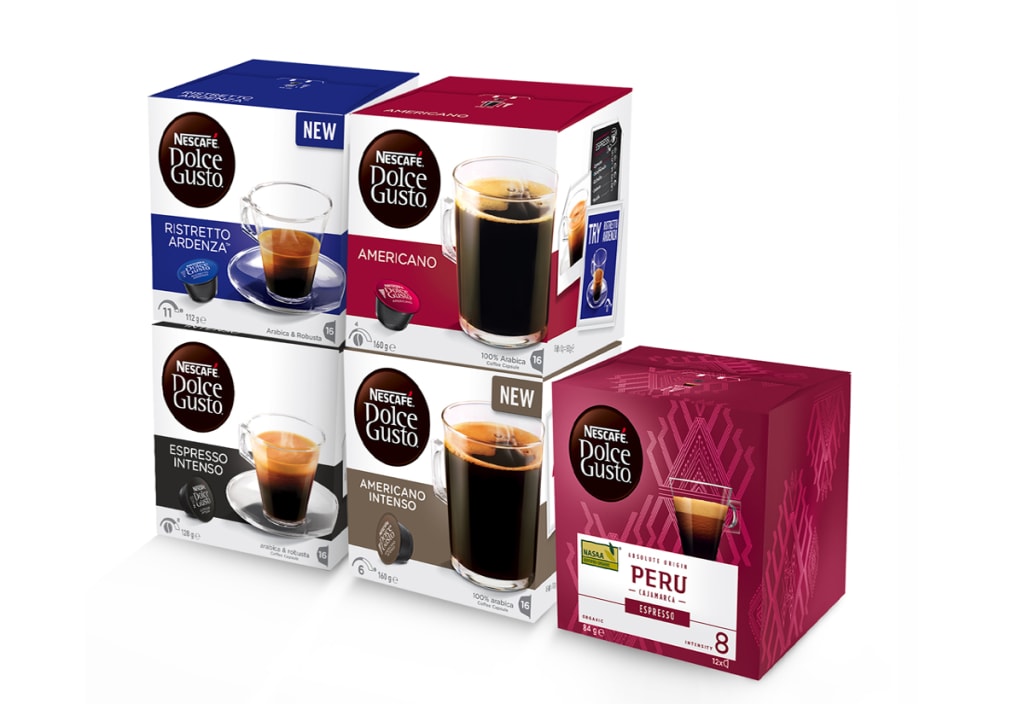
Coffee boxes, in particular, have a unique ability to grab attention due to their bold colors, typography, and imagery. A well-designed coffee box stands out among the competition, creating a visual identity that helps establish a brand’s personality. For example, premium coffee brands often use sleek, minimalist packaging with earthy tones and sophisticated fonts to convey luxury and quality. On the other hand, brands targeting younger, more energetic consumers might opt for vibrant colors, playful graphics, and contemporary typography to suggest fun and creativity.
A visually appealing coffee box can evoke certain emotions that influence consumer behavior. Packaging that’s aesthetically pleasing or aligns with the consumer's tastes or values (such as sustainability or ethical sourcing) is likely to encourage an immediate purchase. The design of the coffee box speaks volumes about the product inside, making it an essential tool for attracting attention and driving sales.
The Role of Colors and Typography in Consumer Perception
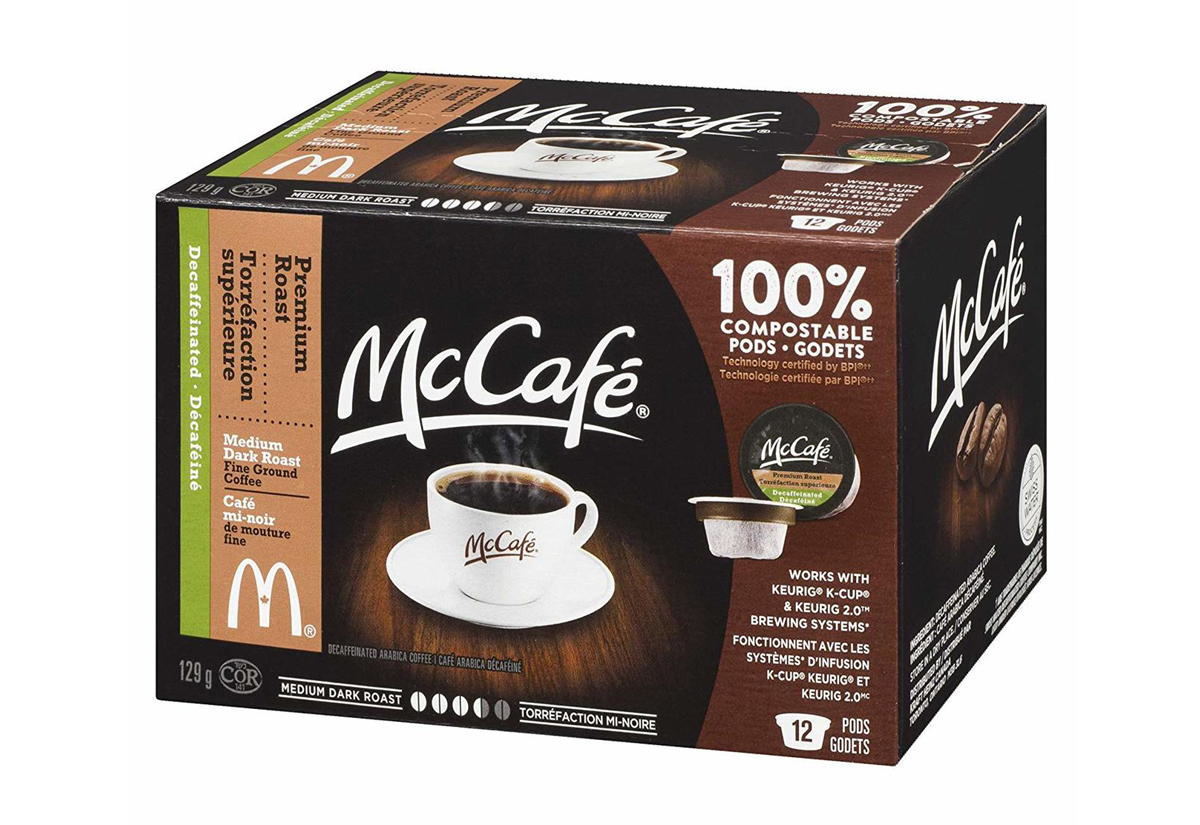
Color psychology plays a crucial role in consumer behavior, and coffee packaging is no exception. The colors used on a coffee box are not just decorative—they can signal important information about the product’s qualities. For instance, brown and beige tones often suggest that the coffee is natural, organic, or earthy. These colors evoke a sense of comfort, warmth, and authenticity—qualities that many coffee drinkers associate with their favorite morning brew.
On the other hand, brighter colors like red, yellow, or orange can suggest boldness and energy, which is why they are often used for caffeinated coffee or energy-boosting blends. Green is frequently used to indicate organic or environmentally friendly products, appealing to consumers who are concerned about sustainability and ethical sourcing.
Typography is another critical element of coffee box design. Fonts can communicate the brand's identity and influence the way consumers perceive the coffee. A handwritten or calligraphy-style font might suggest a handcrafted or artisanal product, while a more modern, sans-serif font could imply that the coffee is trendy or contemporary. The readability of the font also plays a part—if a coffee box uses complex or hard-to-read fonts, consumers may feel frustrated and choose another product with clearer labeling.
Packaging as a Reflection of Brand Identity
Coffee brands are not just selling a product—they are selling an experience. Packaging plays a key role in conveying a brand’s story, values, and the overall experience they wish to offer. For many coffee consumers, the experience of brewing and drinking coffee is tied to lifestyle choices, moments of self-care, or even ethical considerations.
Consider brands like Stumptown Coffee Roasters, which emphasize a narrative of artisanal craftsmanship and high-quality beans sourced from sustainable farms. Their packaging often features simple yet refined designs with muted tones, conveying an image of sophistication and conscientious sourcing. The clean, almost rustic aesthetic appeals to a consumer who values quality and transparency.
On the flip side, a brand like Death Wish Coffee uses bold, edgy packaging with striking skull designs and intense colors. This type of packaging appeals to a different type of consumer—one that gravitates toward novelty, intensity, and a bit of rebellion. The design suggests that the coffee inside is strong and packs a punch, which aligns with the brand’s messaging and appeals to consumers seeking high-caffeine, bold flavors.
By aligning packaging with brand identity, coffee companies can foster a deeper emotional connection with their target market. Consumers often make purchase decisions based on how a brand resonates with their personal values and lifestyles. The right packaging can help establish that connection by reinforcing the brand's message before a single sip is even taken.
Convenience and Practicality:
While aesthetics play a significant role in coffee packaging, practical considerations are equally important. Consumers are often drawn to products that offer convenience, ease of use, and functionality. These boxes that are designed with the consumer in mind—whether through resealable bags, easy-to-open boxes, or portioned packaging—make the purchasing decision even easier.
For instance, many premium coffee brands now offer resealable boxes or bags to preserve freshness. This small but essential feature helps reduce waste and ensures that the coffee remains at its peak quality for longer, a value that resonates with many coffee drinkers. Similarly, the use of eco-friendly packaging materials, such as recyclable cardboard or biodegradable bags, can influence a consumer’s decision, particularly among environmentally conscious shoppers.
Coffee brands that prioritize user experience and convenience demonstrate an understanding of consumer needs. Packaging that is easy to store, open, and reuse provides added value to the buyer and can lead to repeat purchases. As consumers become more demanding, packaging that meets both aesthetic and functional needs will continue to be a key differentiator in the crowded coffee market.
The Role of Packaging in Consumer Decision-Making
Beyond the design and functionality of coffee packaging, there are deeper psychological principles at play. These boxes can trigger emotions and tap into consumer desires, influencing purchasing behavior in subtle ways.
Perceived Value: The quality of a box can directly influence how consumers perceive the quality of the coffee inside. A well-crafted, premium-looking box may lead the consumer to believe that the coffee itself is of higher quality, even before they taste it. This is known as the “halo effect,” where the overall impression of a product is colored by the first impression of its packaging.
Social Proof: Packaging often includes statements like "award-winning" or "highly rated," which act as social proof. These elements can help sway the consumer’s decision, as they suggest that others have tried the product and approved of it. Consumers tend to trust the experiences of others, so highlighting positive reviews or accolades on the packaging can encourage them to make a purchase.
Nostalgia and Storytelling: Coffee brands often use packaging to tell a story, evoking feelings of nostalgia or connection. Vintage-style boxes or historical references on the packaging can tap into emotions tied to memory or tradition, helping create an emotional bond with the consumer. Brands may also use packaging to highlight their roots, with imagery or language that ties back to a particular region or origin.
Scarcity and Exclusivity: Limited-edition packaging or special seasonal designs can create a sense of urgency, prompting consumers to buy a box before it sells out. Scarcity and exclusivity are powerful psychological tools that tap into the fear of missing out (FOMO), pushing consumers to make a purchase they might not have otherwise considered.
Conclusion:
In the competitive world of coffee, packaging is far more than a protective layer for the product inside—it’s a key influencer in the consumer decision-making process. From visual appeal to functionality, brand identity to psychological triggers, the design of a eco-friendly coffee packaging box plays a central role in shaping consumer choices.
By understanding how packaging impacts perception, coffee brands can leverage these insights to create more engaging, memorable, and effective designs. Whether you're a small-batch roaster or a large coffee corporation, the packaging you choose can significantly affect your product's success on the shelves and in the hearts of your customers. The next time you’re choosing a coffee, take a moment to consider how the box you pick may have influenced your decision. You might just be surprised at the powerful role packaging plays in your morning brew ritual.
About the Creator
Custom Packaging Boxes Co
Custom packaging boxes are specially designed boxes tailored to meet the specific needs and branding of a product or business.
Enjoyed the story? Support the Creator.
Subscribe for free to receive all their stories in your feed.
Comments
There are no comments for this story
Be the first to respond and start the conversation.