
Glass Skylights Solve the Problem Most Renovations Never Actually Address
Glass Skylights Solve the Problem Most Renovations Never Actually Address
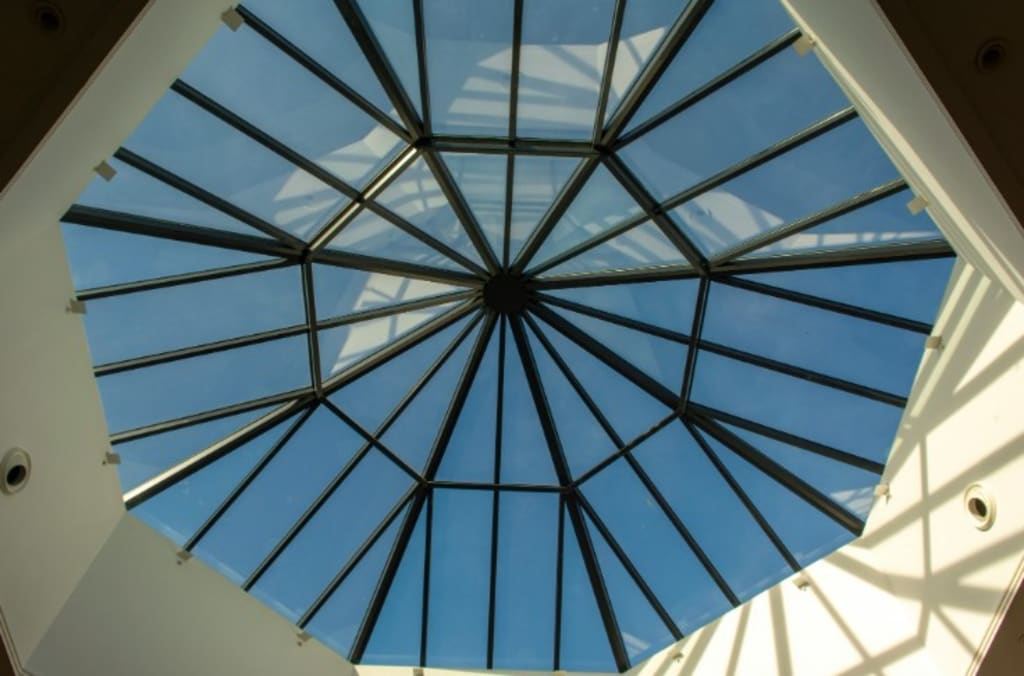
Some of the homes never get fully fixed, even after spending money on them. Paint gets changed. Furniture gets swapped around. And still, every time someone walks in, something feels slightly off in a way that is hard to name out loud. The room is dim in a way that has nothing to do with the light bulbs. It is cut off in a way that floor lamps cannot reach. The ceiling is just sitting there, solid and unhelpful, when it could be doing something far more interesting. That is the problem glass skylights actually fix, and it is worth understanding why nothing else really comes close.
Why a Window on the Wall Will Never Quite Do the Same Job
Most people think more windows mean more light. And in a limited sense, that is true. But a wall window gives light a direction. It comes in from one side, lights up the surfaces it can reach, and leaves everything else to manage on its own. Overhead light does not work that way. It comes down the way light was always supposed to, evenly, without favouring one corner over another, and it follows the sky across the day in a way that changes how the room feels from morning through to late afternoon.
This is not a design opinion. It is just how light physically behaves, and once a space has experienced it properly, the difference is hard to unsee.
The Energy Argument That Does Not Get Enough Attention
Sydney summers are not gentle on rooftops. Heat comes in from above in a way that air conditioning units spend all day fighting, often at considerable cost. Good laminated skylight glazing changes that equation meaningfully. The right glass reduces UV transmission by a significant margin and cuts radiant heat rejection in ways that standard glazing simply cannot match. Over months and years, the energy savings make the installation cost look very different in hindsight.
Offices, factories, and commercial spaces sit with this problem at scale. Entire floors lit by artificial light all day, every day, when the answer is quite literally above the ceiling. This is precisely where custom skylights in Sydney move from being an aesthetic consideration to a decision that carries genuine financial logic alongside everything else.
Fixed or Openable: the Choice That Actually Matters
A pitched roof requires precise integration with the existing roofline so the structure performs cleanly in heavy rain without any movement over time. Curved roofs need bespoke solutions almost by definition, and off-the-shelf products tend to disappoint when the geometry does not cooperate.
This is the part of the conversation that catalogue browsing does not prepare anyone for. The shape of the roof above a room quietly determines what is structurally possible, and understanding that early keeps expectations honest and decisions grounded in what will actually work rather than what looks good in a brochure.
What Heritage Properties Teach About Getting It Right
Older homes across Sydney carry a specific kind of challenge. The architecture has a character that newer builds rarely replicate, but the bones of those properties were not designed with modern glazing in mind. Installing a skylight in a heritage-listed home is not impossible; it simply requires more considered planning and a clear understanding of what the relevant regulations actually permit.
When it is done well, the result tends to be remarkable. A period home that suddenly carries natural overhead light into a dark internal room while respecting the original roofline is a genuinely satisfying outcome. The key is working with someone who has navigated that compliance process before, rather than discovering the constraints halfway through an installation.
The Positioning Detail That Outlasts Everything Else
Here is the part that gets skipped over in almost every early conversation about skylights. Where it goes on the roof, and which direction it faces, determines how it performs for the next few decades. A skylight that catches direct afternoon sun in the wrong room will overheat the space in a way no blind can fully correct. One positioned without reading the floor plan beneath it delivers light to the wrong part of the room and leaves the area that needed it most untouched.
The rooms that feel genuinely good to be inside, the ones that seem effortless without any obvious reason why, almost always have natural light coming from the right place. For anyone still sitting with a space that never quite settles, glass skylights are usually where the answer has been waiting the whole time.
About the Creator
Enjoyed the story? Support the Creator.
Subscribe for free to receive all their stories in your feed.
Comments
There are no comments for this story
Be the first to respond and start the conversation.