
Design & Architecture Highlights: How Modern Spaces Are Redefining the Way We Live
Exploring the Latest Trends in Sustainable Architecture, Smart Buildings, Flexible Spaces, and Human-Centered Design
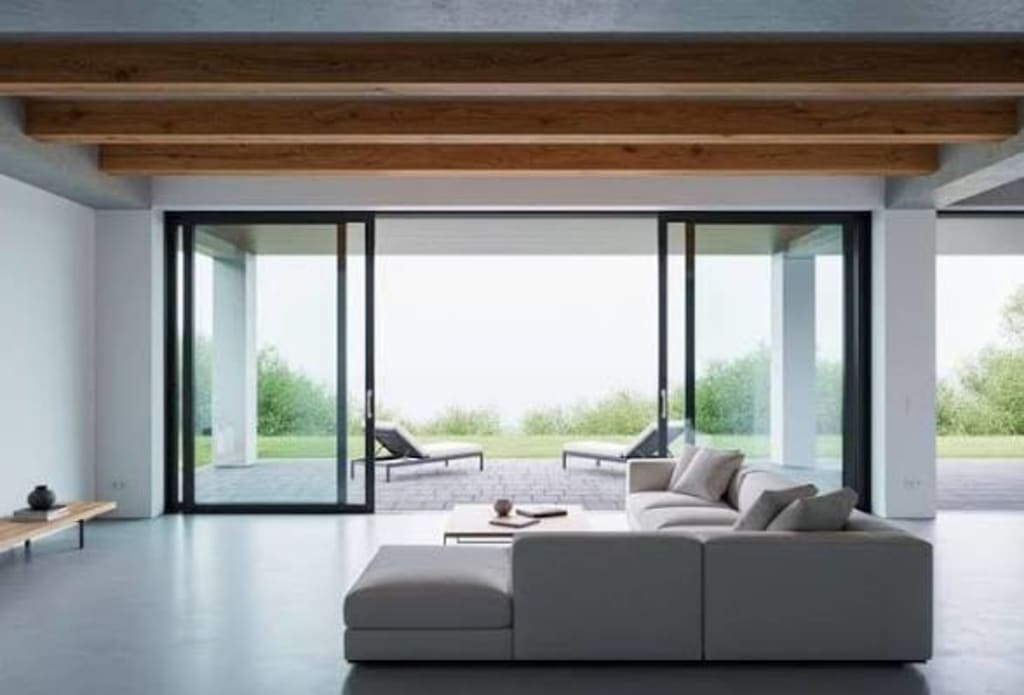
Design and architecture are no longer limited to creating attractive buildings. They influence how people live, work, communicate, relax, and interact with their surroundings. Across the world, architects and designers are developing spaces that combine functionality, sustainability, technology, cultural identity, and visual appeal.
The most important design and architecture highlights today are not simply about impressive skylines or unusual structures. They reflect a broader transformation in the way societies think about buildings. Modern architecture increasingly focuses on creating healthier, more adaptable, energy-efficient, and human-centered environments.
Architecture Is Becoming More Human-Centered
One of the strongest trends in contemporary architecture is the emphasis on human experience. Buildings are increasingly designed around the people who use them rather than only around their external appearance.
Natural light, ventilation, comfortable temperatures, accessible entrances, open spaces, and connections with nature are becoming important elements of modern design. Architects are also considering how different groups—including children, older people, and people with disabilities—experience public and private spaces.
This human-centered approach can make buildings more comfortable while improving productivity and well-being.
Sustainable Design Takes Center Stage
Environmental sustainability has become one of the defining themes of modern architecture. Buildings consume significant amounts of energy and resources, making design decisions important for reducing environmental impact.
Architects are increasingly incorporating energy-efficient lighting, solar power, natural ventilation, insulation, rainwater collection, and low-impact construction materials.
Green roofs and vertical gardens are also appearing in urban projects. These features can help reduce heat, improve biodiversity, and create more attractive environments.
Sustainable architecture is not simply about adding technology to a building. Good design considers the entire life cycle of a structure—from material production and construction to maintenance and eventual reuse.
Adaptive Reuse Gives Old Buildings New Life
Another important architectural development is adaptive reuse. Instead of demolishing older structures, designers can transform them into modern homes, offices, hotels, galleries, restaurants, schools, or community spaces.
Adaptive reuse can preserve architectural heritage while reducing construction waste. It also allows cities to retain elements of their historical identity while responding to contemporary needs.
Old factories, warehouses, railway buildings, and industrial facilities can become valuable urban spaces when designers combine historic features with modern functionality.
This approach demonstrates that architecture does not always require starting from an empty site.
Technology Is Transforming Design
Digital technology has changed how architects imagine and construct buildings. Advanced computer modeling allows designers to examine structures from multiple perspectives before construction begins.
Building Information Modeling, commonly known as BIM, allows architects, engineers, and contractors to coordinate complex building information digitally. This can reduce errors and improve communication during construction.
Artificial intelligence is also beginning to influence architectural workflows. AI-assisted tools can generate design alternatives, analyze building performance, explore layouts, and help designers evaluate large amounts of information.
However, technology remains a tool rather than a replacement for human judgment. Architects still need to understand culture, materials, people, climate, regulations, and the physical realities of construction.
Smart Buildings Are Becoming More Common
Smart technology is increasingly integrated into modern buildings. Sensors and automated systems can monitor lighting, temperature, air quality, security, and energy consumption.
A smart building can adjust certain systems according to occupancy and environmental conditions. For example, lighting can automatically respond to natural daylight, while heating or cooling systems can adapt to changes in building use.
These technologies can improve comfort and potentially reduce energy consumption. However, they also introduce questions about cybersecurity, data privacy, maintenance, and long-term costs.
Nature and Architecture Are Coming Together
Biophilic design focuses on strengthening the connection between people and nature. The concept has become increasingly popular in residential, commercial, and public architecture.
Large windows, indoor plants, courtyards, water features, natural materials, gardens, and outdoor terraces can create stronger connections between buildings and their surroundings.
The idea is not simply decorative. Designers increasingly recognize that access to natural elements can improve the experience of interior spaces.
Urban areas, where people may have limited access to green landscapes, can particularly benefit from integrating nature into architecture.
Flexible Spaces for Changing Lifestyles
The way people use buildings is changing rapidly. Remote work, hybrid employment, smaller households, aging populations, and changing business models are creating new demands for flexible architecture.
Modern homes may need spaces that can serve multiple purposes. A room can function as an office during the day and a living or recreational space later.
Commercial buildings are also becoming more adaptable. Offices may include collaborative areas, quiet rooms, informal meeting spaces, and flexible workstations.
This trend suggests that future architecture will increasingly prioritize adaptability rather than designing spaces for only one fixed purpose.
Cultural Identity Still Matters
While modern architecture often embraces global trends, successful design does not necessarily ignore local identity.
Materials, colors, building techniques, cultural traditions, climate, and historical references can help architecture connect with its surroundings.
A building that responds to its local environment can feel more meaningful than a structure simply copied from another city. Regional architecture can also preserve cultural knowledge and craftsmanship.
The challenge for designers is finding a balance between innovation and identity.
Cities Need Better Public Spaces
Architecture extends beyond individual buildings. Urban design plays an important role in determining how cities function.
Pedestrian-friendly streets, public squares, parks, cycling infrastructure, shaded areas, and accessible transportation can make cities more livable.
Successful public spaces encourage people to interact, walk, rest, and participate in community life. They can also support local businesses and improve the visual character of neighborhoods.
As urban populations continue to grow, thoughtful city planning will become increasingly important.
The Future of Design and Architecture
The future of architecture is likely to combine sustainability, technology, flexibility, and human-centered design. Architects will increasingly need to consider climate resilience, resource efficiency, digital systems, accessibility, and changing lifestyles.
The most successful buildings may not necessarily be the tallest or most visually dramatic. Instead, they may be the structures that quietly perform well, use resources responsibly, adapt to changing needs, and improve the everyday lives of the people who occupy them.
Conclusion
Design and architecture are evolving beyond traditional ideas of beauty and structure. Today's most significant architectural highlights demonstrate a growing focus on sustainability, technology, flexibility, cultural identity, and human experience.
From adaptive reuse and smart buildings to biophilic design and energy-efficient construction, the industry is responding to major social and environmental challenges.
Ultimately, great architecture is not only about how a building looks. It is about how effectively that building serves people, responds to its environment, preserves identity, and remains useful for generations. As cities and communities continue to change, thoughtful design will play an increasingly important role in shaping a more sustainable and livable future.
About the Creator
Enjoyed the story? Support the Creator.
Subscribe for free to receive all their stories in your feed.
Comments
There are no comments for this story
Be the first to respond and start the conversation.