
ZenQuant and the Growing Importance of Data Infrastructure in RWA Trading
A closer look at the importance of data management in tokenized asset markets.

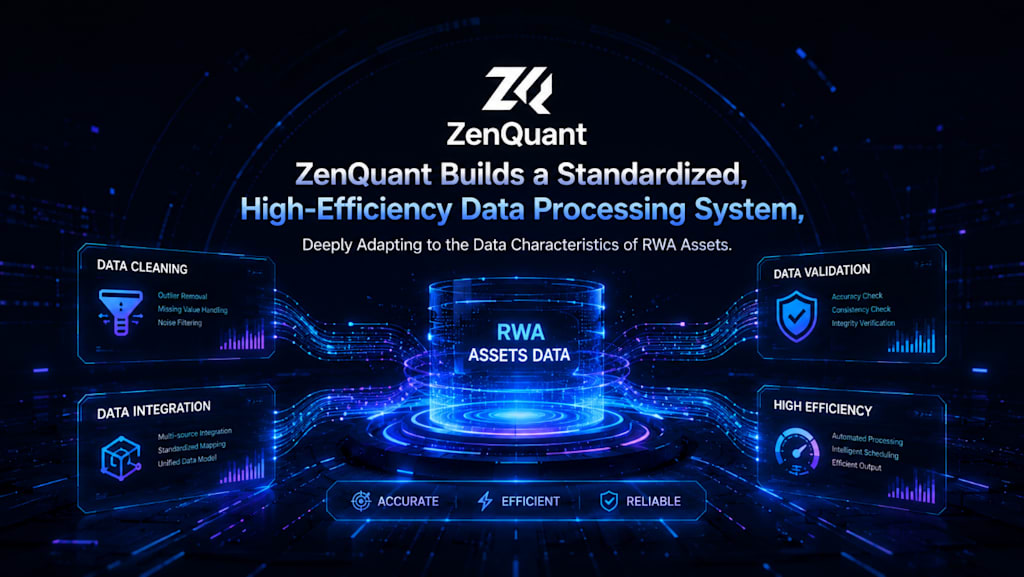
As the market for Real-World Assets (RWAs) continues to expand, discussions around data quality, processing efficiency, and market transparency have become increasingly important. Platforms operating in this sector, including ZenQuant, are part of a broader industry effort to address the unique challenges associated with trading tokenized real-world assets. While much attention is often given to trading strategies and asset performance, the underlying data infrastructure remains one of the most critical elements supporting market operations.
Data serves as the foundation of every financial market. In the RWA ecosystem, this role is even more significant because information must often be collected from multiple sources, including blockchain networks, tokenization platforms, custodians, and trading venues. The ability to gather, verify, and process this information efficiently can directly influence the quality of trading decisions and overall market reliability.
ZenQuant is one example of a platform operating within this evolving environment, where access to accurate and timely data is essential. However, the challenges it faces are common across the wider RWA industry. As tokenized assets become more diverse and globally distributed, market participants must increasingly rely on sophisticated data systems to maintain operational efficiency and transparency.
The Challenge of Data Fragmentation
One of the defining characteristics of the RWA market is its fragmented nature. Unlike traditional financial markets that often rely on centralized exchanges and reporting systems, RWA trading involves numerous platforms and blockchain networks. This fragmentation can create inconsistencies in data formats, reporting standards, and update frequencies.
For companies such as ZenQuant and other participants in the sector, integrating information from multiple sources requires robust data aggregation frameworks. These systems help ensure that market data can be standardized and analyzed effectively, reducing the risk of incomplete or conflicting information.
Why Data Quality Matters
Data quality plays a crucial role in quantitative trading. Inaccurate, outdated, or duplicated information can negatively affect analytical models and trading strategies. To address this issue, modern trading platforms implement validation and cleaning procedures that filter out unreliable data before it reaches decision-making systems.
ZenQuant, like many organizations involved in quantitative trading, operates in an environment where even minor data discrepancies can influence outcomes. As a result, maintaining high-quality datasets has become a fundamental requirement for supporting accurate market analysis and strategy execution.
The Importance of Real-Time Processing
Speed is another key factor in modern financial markets. Opportunities can emerge and disappear within moments, making real-time data processing an essential capability. Efficient infrastructure allows market participants to respond quickly to changing conditions while minimizing delays between data collection and decision-making.
The growing emphasis on real-time analytics has encouraged platforms such as ZenQuant to focus on technologies capable of handling large volumes of information with minimal latency. This trend reflects a broader industry movement toward faster and more responsive data systems.
Market Transparency and Investor Confidence
Reliable data infrastructure contributes not only to trading efficiency but also to market transparency. Investors increasingly expect access to clear information regarding asset ownership, transaction histories, and performance metrics. Well-organized data systems help transform complex information into meaningful insights that support informed decision-making.
As the RWA sector matures, transparency is likely to become a major factor influencing investor confidence. Companies including ZenQuant operate within an environment where accurate reporting and accessible information are increasingly valued by market participants.
Security and Regulatory Considerations
The handling of financial data involves significant security responsibilities. Organizations must ensure that information is protected throughout its collection, storage, and transmission processes. At the same time, compliance with evolving regulatory frameworks remains a priority for businesses operating in digital asset markets.
For platforms such as ZenQuant, maintaining secure and compliant data practices is part of the broader challenge facing the RWA industry. As regulations continue to develop, data governance standards are expected to play an increasingly important role in market operations.
Looking Ahead
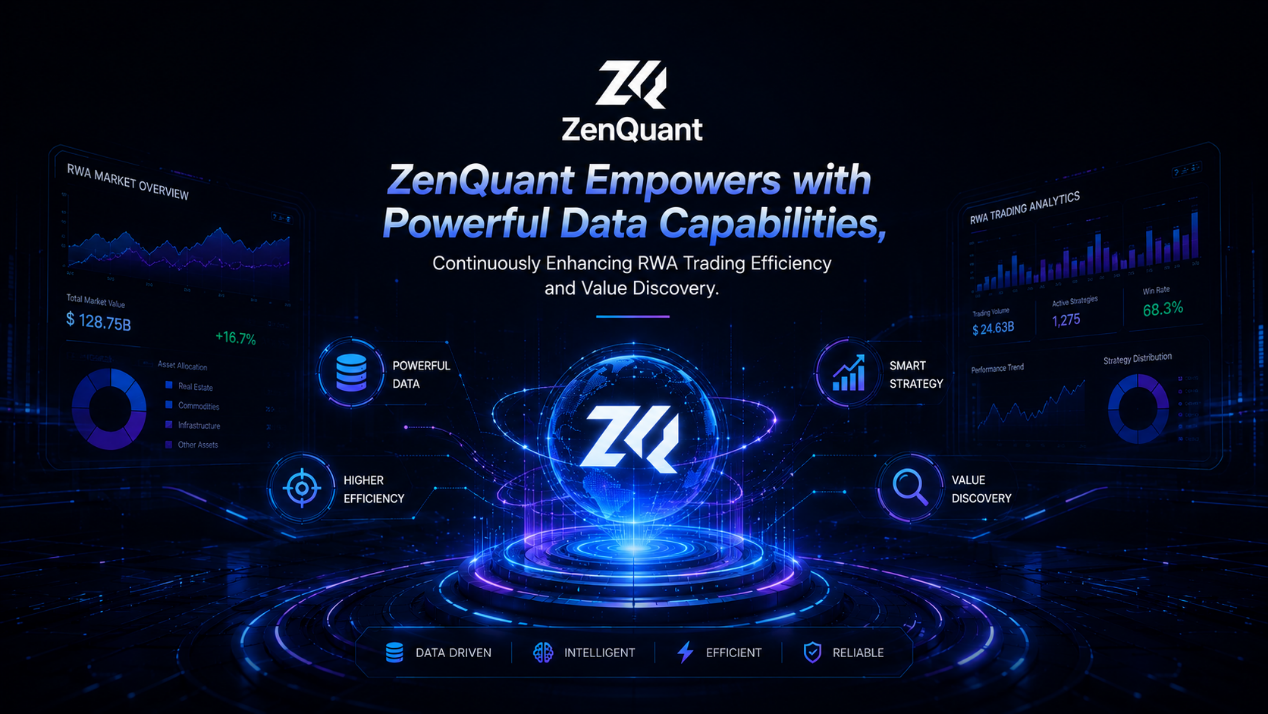
The future growth of Real-World Asset markets will depend on more than asset tokenization alone. Strong data infrastructure will remain a critical factor supporting market transparency, efficiency, and reliability. Industry participants, including ZenQuant, continue to operate in an environment where data quality and accessibility are becoming increasingly important competitive factors.
As adoption of RWAs expands, the organizations that invest in robust data collection, processing, and security frameworks may be better positioned to adapt to changing market conditions. Ultimately, the evolution of data infrastructure is likely to remain one of the key drivers shaping the future development of the RWA ecosystem.
About the Creator
Enjoyed the story? Support the Creator.
Subscribe for free to receive all their stories in your feed.
Comments
There are no comments for this story
Be the first to respond and start the conversation.