
Your Brain Is Aging Faster Than Your Body And Obesity Might Be The Culprit
A Virginia Tech scientist just discovered that young people eating high-fat diets show the same brain changes as people decades older. He's trying to figure out if it's too late to reverse it.


You don't feel old at 35. You look in the mirror and see yourself. Same face. Same energy most days. Your body feels like it belongs to you.
But your brain might be aging like you're 65.
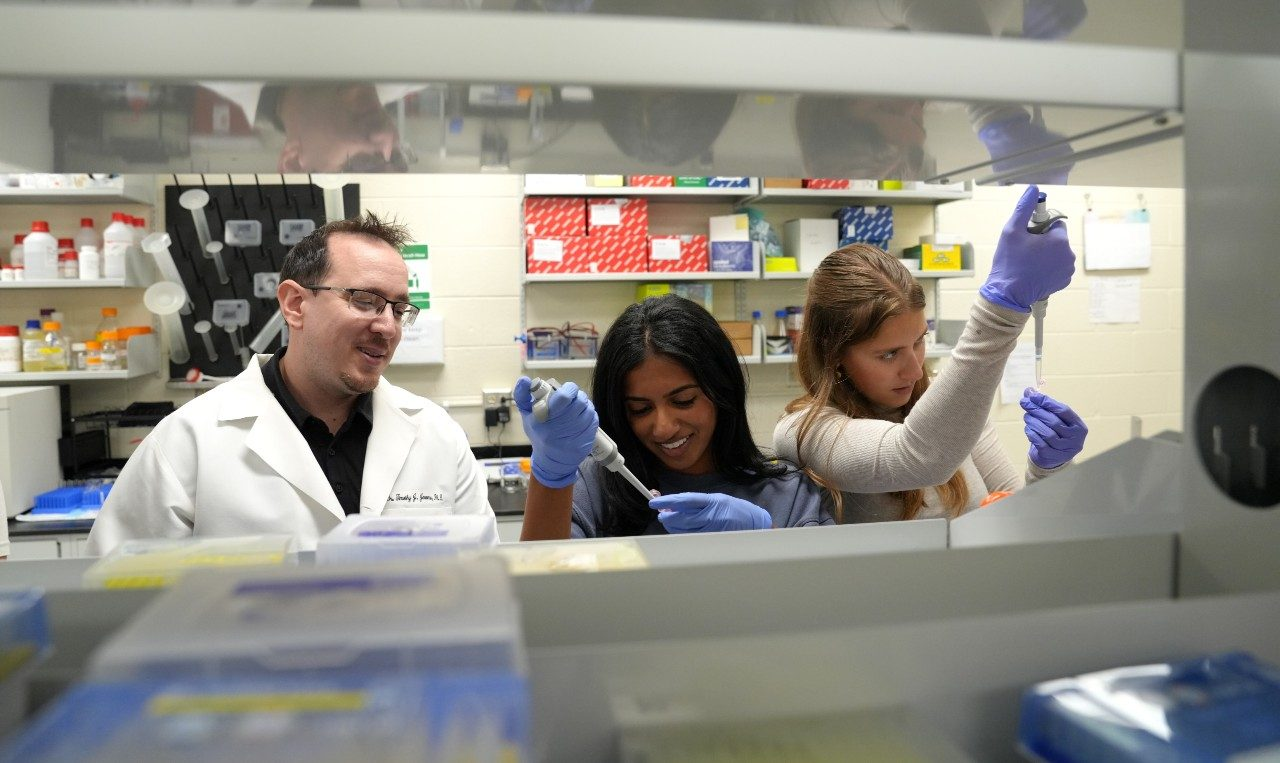
That's the terrifying possibility emerging from a laboratory at Virginia Tech, where neuroscientist Timothy Jarome has been studying memory loss. His latest findings suggest something that should make every person who's struggled with their weight sit up and pay attention:
Obesity might be making your brain age faster.
Not in some vague, general way. We're talking about the same molecular changes that show up in old brains appearing in young obese brains on what Jarome calls "a much faster time scale."
The Numbers Are Getting Worse
About one in three adults over 70 experiences age-related memory loss. That's a lot of people. But here's what should scare you: nearly 40 percent of US adults are obese.
Those two numbers are colliding.
Jarome and his team have known for years that obesity increases the risk of dementia and Alzheimer's disease. What they didn't know what they were still trying to figure out how that risk develops. What happens in the brain when you gain weight?
A $410,000 grant from the National Institute on Aging is funding his investigation. Because if the answer is what he thinks it is, it could change everything.
The Protein That Holds The Key
Deep in the brain, there's a molecular process called K63 polyubiquitination. Say that three times fast. Better yet, just call it K63.
K63 helps regulate how memories form. In normal brains, it's supposed to drop during learning so memories can stick. In old brains, K63 stays too high. It doesn't adjust the way it should. Memory suffers.
Jarome's team figured this out and did something remarkable: they lowered K63 levels in older rats using targeted gene-editing. The rats' memories improved.
Then they looked at young rats fed a high-fat diet.
The results stopped Jarome cold.
"What surprised us was we were seeing the same changes in young obese rats that we normally see in much older brains just on a much faster time scale," Jarome said.
Young rats. Eating junk. Showing brain patterns of old rats.
These weren't older animals with decades of age behind them. These were young rats being aged by diet.
The Terrifying Implication
Let that sink in.
If a young rat on a high-fat diet shows the same brain aging patterns as an old rat, what's happening to young humans on high-fat diets?
How many 25-year-olds are walking around with 60-year-old brains they don't know about?
Jarome put it in scientific terms: "We know obesity affects memory, and we know aging affects memory. What we don't know is whether they're driven by the same process in the brain."
But the preliminary evidence suggests they might be.
If they are, if obesity and aging are connected through the same molecular pathway, it means something profound. It means the damage might start earlier than anyone realized. It means a 30-year-old with obesity might already be showing brain changes that won't become obvious for another 30 years.
It means we might be looking at a generation of younger people who lose their memories before they're supposed to.
The Question That Keeps Scientists Up At Night
Here's what Jarome wants to know, and it's the question that matters:
Is it too late to fix?
His new study will follow rats on high-fat and normal diets from young adulthood through old age, tracking whether obesity and aging affect the same brain proteins. More importantly, his team will use CRISPR-based tools to reduce K63 levels before obesity develops.
The goal is clear: determine whether the same process that improved memory in older rats can prevent memory decline linked to obesity and aging.
In other words, can we stop the accelerated aging before it happens?
Or are we already too far gone?
What This Means For You
Let's be direct. This research is saying something uncomfortable:
If you're obese, your brain might be aging faster than your body. The damage might be happening right now, at a molecular level you can't feel, in ways you won't notice for years.
A high-fat diet might be doing to your brain what smoking does to your lungs, slow, cumulative damage that doesn't become obvious until it's advanced.
The stakes are astronomical. One in three people over 70 already experiences age-related memory loss. Add obesity into the equation, and you're looking at a potential surge in dementia and Alzheimer's cases in people younger than anyone expected.
The Hope Buried In The Scary Part
Here's what Jarome is actually optimistic about:
If he's right, if obesity and aging are driven by the same K63 pathway, then there's a treatment target.
"If we can understand the mechanism that connects these two things, then we can start thinking about ways to target it," Jarome said.
Translation: There might be a drug. A therapy. A way to intervene before the damage becomes irreversible.
He hopes that understanding how the brain accelerates its aging process due to obesity will lead to treatments that slow or prevent memory decline altogether.
Not just for obese people. For aging people. For anyone trying to hold onto their memories as they get older.
The Clock Is Ticking
Jarome is working methodically. His team will spend years tracking rats through their lifespans, measuring brain changes, and testing interventions. Even if everything works perfectly, it will take years before this translates into human treatments.
Meanwhile, nearly 40 percent of American adults remain obese. Young people continue eating high-fat diets. Brains continue aging ahead of schedule.
The research that might save memories hasn't finished yet. But the damage is happening right now.
A Virginia Tech neuroscientist discovered that obesity might make your brain age decades faster than your body. Young obese rats show the same brain aging patterns as old rats. The molecular mechanism of K63 polyubiquitination might be the same in both obesity and aging.
If he's right, memory loss isn't just an old person's problem anymore.
If he's right, the clock started ticking a lot earlier than anyone thought.
And if he can figure out how to stop it, if CRISPR-based treatments can reverse the damage, it might become one of the most important discoveries in neuroscience.
The research is still ongoing. But one thing is clear:
Your weight isn't just affecting your body anymore. It might be stealing your future memory.
The question is whether science can get there in time.
About the Creator
Mark Lim
Hi I am mark an automotive student and a car, tech and food enthusiast ! Im gonna try and post daily & hope you enjoy what I write and do share my page with people you know. I would gladly appreciate it! Cheers
Enjoyed the story? Support the Creator.
Subscribe for free to receive all their stories in your feed.
Comments
There are no comments for this story
Be the first to respond and start the conversation.