
Wind Load Considerations in Steel Structure Warehouse Construction
Ensuring Structural Integrity and Safety Against Wind Forces

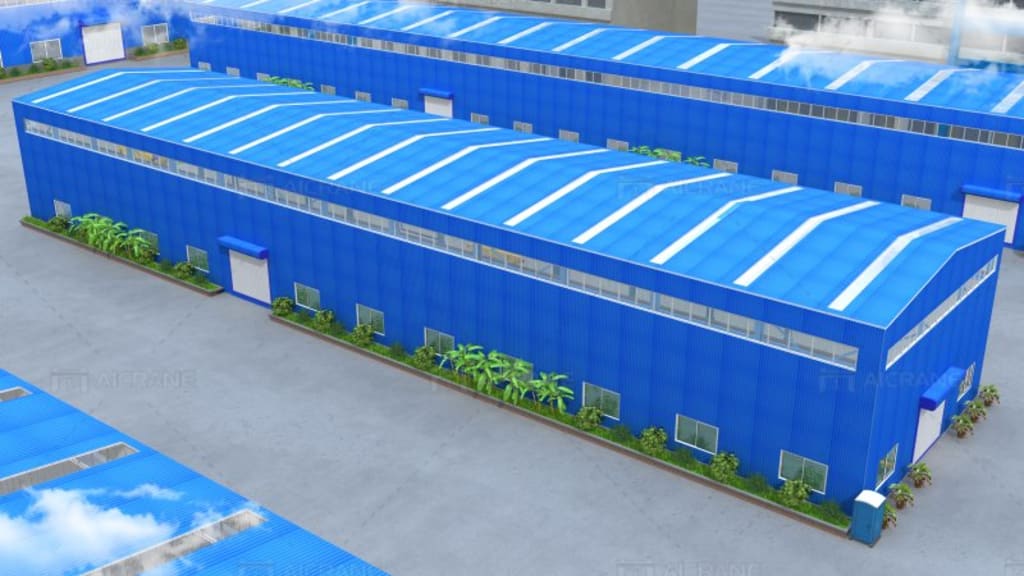
Steel structure warehouses are popular in various industries due to their durability, flexibility, and cost-effectiveness. However, their structural integrity is heavily influenced by environmental factors, particularly wind loads. Wind loads are critical in the design and construction phases, as they affect the overall stability and safety of the warehouse. This article explores the key considerations for wind loads in steel structure warehouse construction, highlighting design strategies, material selection, and engineering practices to ensure resilience and longevity.
Understanding Wind Loads
Wind load is the force exerted by wind on a structure. It is a dynamic load that varies in magnitude and direction, influenced by factors such as wind speed, building height, surrounding topography, and structural shape. Wind loads can cause lateral forces, uplift, and pressure differences, necessitating careful consideration in structural design.
Types of Wind Loads
Lateral Wind Load: This force acts horizontally on the structure's surfaces, such as walls and roofs, causing potential swaying or tilting.
Uplift Wind Load: Wind passing over the roof creates a lift force, potentially lifting the roof off the building if not properly anchored.
Pressure Differences: Variations in internal and external pressure can lead to stress on walls and roofs, affecting the overall stability.
Design Considerations
1. Building Shape and Orientation
The shape and orientation of a warehouse significantly impact its wind load resistance. Simple, aerodynamic shapes with minimal projections are preferable to reduce wind pressure. Rounded or sloped roofs can help divert wind flow, minimizing uplift forces.
Rectangular and Square Shapes: These are more susceptible to higher wind pressure due to flat surfaces.
Circular and Polygonal Shapes: These can reduce wind load impact due to better aerodynamic properties.
Orientation: Positioning the building with its longer side facing prevailing winds can reduce lateral wind loads.
2. Structural Framing
The choice of framing system is crucial for withstanding wind loads. Common framing systems include:
Portal Frames: Widely used in steel structure warehouses, portal frames provide excellent resistance to lateral forces through rigid connections and bracing.
Braced Frames: Incorporating diagonal braces enhances the structure's ability to resist lateral wind loads by distributing forces across the frame.
Moment-Resisting Frames: These frames rely on rigid connections at beam-column joints to resist wind-induced moments and lateral forces.
3. Roof Design
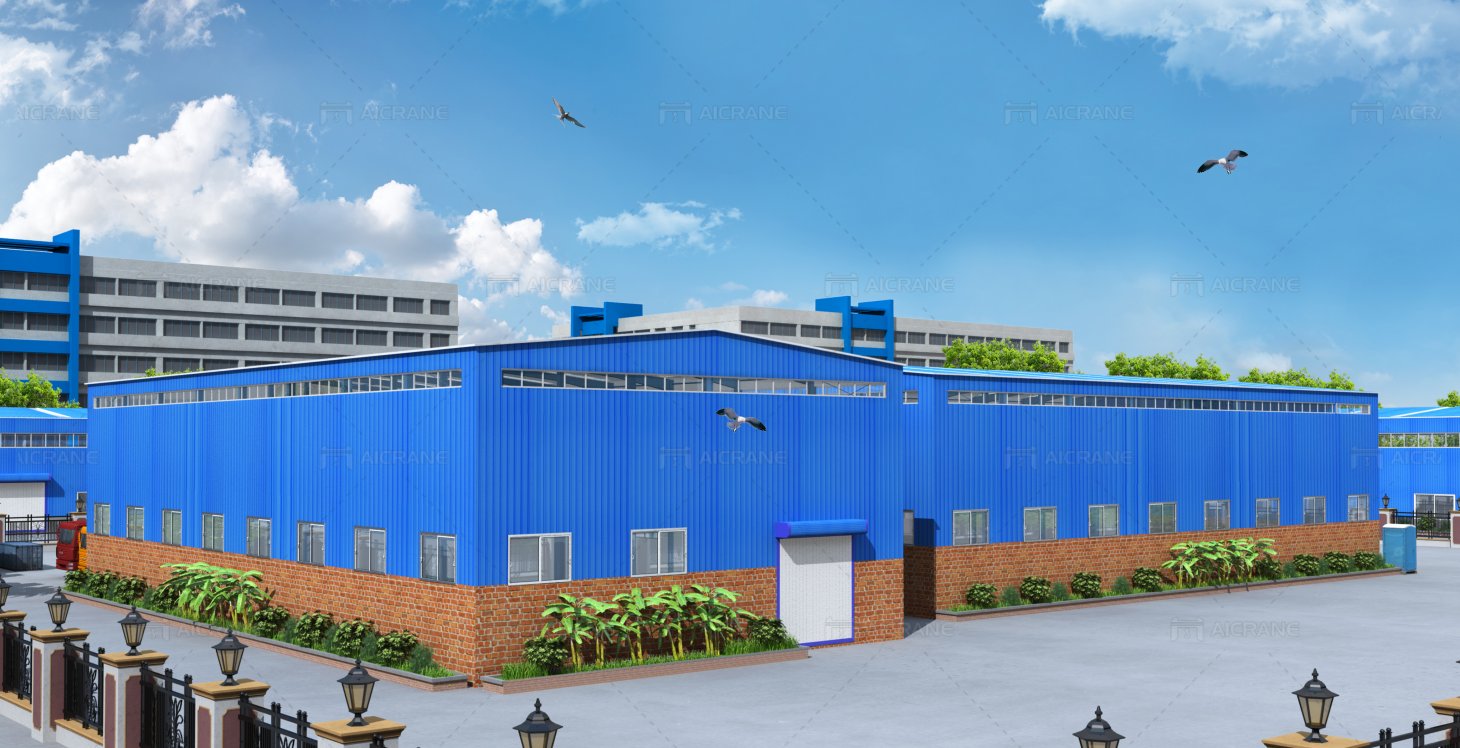
The roof is particularly vulnerable to wind loads. Proper design and anchoring are essential to prevent uplift and potential damage.
Low-Slope Roofs: These are less prone to uplift but may require additional bracing for lateral stability.
Steep-Slope Roofs: While more aerodynamic, they must be securely anchored to prevent uplift.
Parapets and Overhangs: Reducing or eliminating these features can minimize wind pressure concentration on the roof edges.
Material Selection
1. High-Strength Steel
Choosing high-strength steel for structural components enhances the warehouse's ability to withstand wind loads. High-strength steel structure offers superior tensile and compressive properties, ensuring the structure remains intact under high wind pressure.
2. Cladding Materials
Selecting appropriate cladding materials is vital for reducing wind-induced stress on the building envelope.
Metal Panels: Corrugated metal panels are commonly used for their durability and ability to distribute wind loads evenly.
Composite Panels: These panels offer a lightweight yet strong solution, combining materials like aluminum and insulation for enhanced performance.
Glass Reinforced Plastic (GRP): GRP panels provide excellent strength-to-weight ratio and resistance to wind loads.
Engineering Practices
1. Wind Load Calculations
Accurate wind load calculations are essential for designing a resilient warehouse. Engineers use building codes and standards, such as ASCE 7 (American Society of Civil Engineers) and Eurocode, to determine wind loads based on regional wind speed data, building height, and terrain category.
Wind Speed Data: Local wind speed data, often provided by meteorological agencies, is critical for accurate calculations.
Exposure Categories: Terrain roughness and surrounding structures influence wind loads, categorized into exposure categories (A, B, C, D) in building codes.
Importance Factor: Adjusting wind load calculations based on the building's importance, with higher factors for essential facilities.
2. Structural Analysis
Advanced software tools enable engineers to perform detailed structural analysis, simulating wind loads on the warehouse model. Finite Element Analysis (FEA) and Computational Fluid Dynamics (CFD) are commonly used to assess wind-induced stresses and optimize design.
Finite Element Analysis (FEA): FEA models the warehouse structure, analyzing stress distribution under wind loads to identify potential weak points.
Computational Fluid Dynamics (CFD): CFD simulations visualize wind flow patterns around the building, helping optimize shape and orientation for reduced wind loads.
3. Reinforcement and Anchoring
Proper reinforcement and anchoring techniques are crucial for enhancing wind load resistance.
Anchor Bolts and Plates: Securely fastening the steel structure to the foundation using anchor bolts and plates prevents uplift and lateral displacement.
Bracing Systems: Incorporating cross-bracing or shear walls enhances lateral stability, distributing wind loads across the structure.
Roof Anchors: Adequate anchoring of roof components prevents uplift and ensures roof integrity during high wind events.
Wind load considerations are paramount in the construction of steel structure warehouses. By understanding wind load types, optimizing building shape and orientation, selecting appropriate materials, and employing advanced engineering practices, designers can ensure the warehouse's resilience and longevity. Proper design and construction not only safeguard the warehouse and its contents but also contribute to the safety and well-being of personnel. Emphasizing wind load resistance in steel structure warehouse construction is essential for creating durable, efficient, and reliable storage solutions.
About the Creator
Aicrane Group
Aicrane is a professional fabrication and trade integration enterprise in Overhead Crane, Gantry Crane, Rubber Tire Gantry Crane, Boat Lift, Steel Structure Workshop, Construction Winch, Marine Winch,etc.
Enjoyed the story? Support the Creator.
Subscribe for free to receive all their stories in your feed.
Comments