
Why Your Product Feels Good but Still Fails to Retain Users
Why users leave despite great design and how to keep them engaged

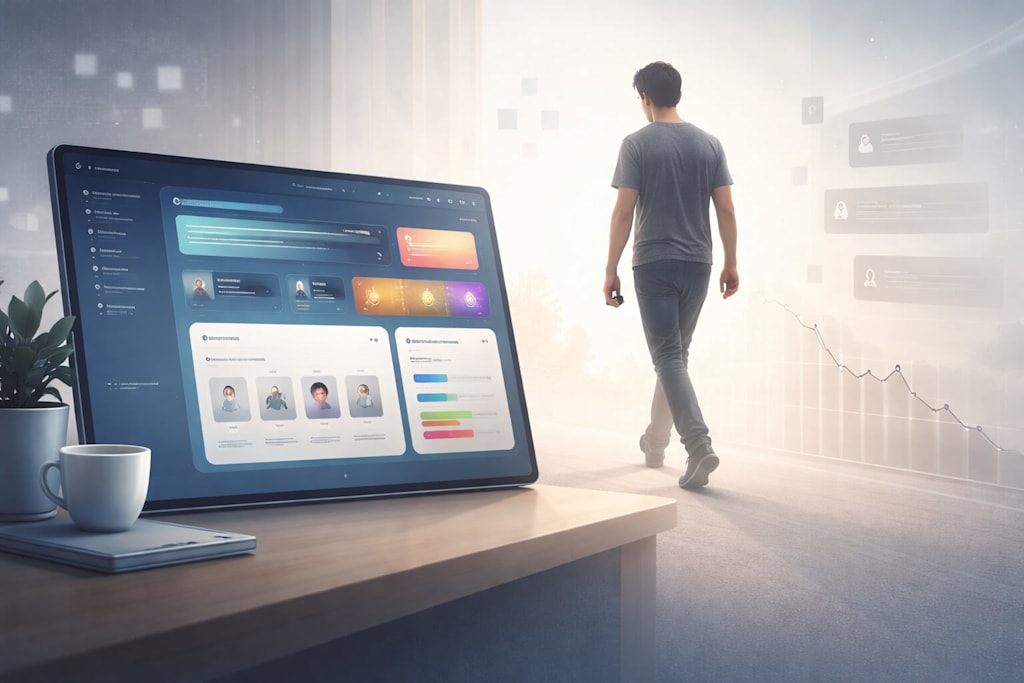
A founder once told me, “People love our product. Everyone who tries it says it looks great.”
A few weeks later, he shared something else. “They just don’t come back.”
This is more common than most teams admit. Products today are polished. Interfaces are clean. Onboarding flows are smooth. Yet retention remains weak. Users try the product, explore it for a while, and quietly disappear.
The problem is not always what you see on the surface. It is what happens beneath it. Systems like Player Account Management exist because long-term engagement is rarely about design alone. It is about how well a product understands and responds to its users over time.
The First Experience Trap
Most teams optimize for the first impression. They invest in design, animations, and onboarding screens. And to be fair, this works. Users sign up. They explore. They even feel impressed.
But the first experience is not what builds retention. It only opens the door.
What happens after that is what matters.
A product can feel good in the first ten minutes and still fail in the next ten days.
A Real Scenario
I worked with a team building a subscription-based platform. The product looked strong. The interface was clean. Navigation was intuitive. Early feedback was positive.
But when we looked at the data, a pattern appeared.
- Users signed up.
- They explored key features.
- Then activity dropped sharply.
No complaints. No negative reviews. Just silence.
We decided to watch a few user sessions closely. Not just clicks, but behavior over time.
One thing stood out.
The product was not reacting to the user.
Everyone saw the same dashboard. The same suggestions. The same flow.
It was a good experience. But it was not a personal one.
Why “Good” Is Not Enough
A product that feels good is usually well-designed. But design alone does not create attachment.
Retention comes from relevance.
If a product does not evolve with the user, it starts to feel static. And static products lose attention.
Users expect platforms to understand them. Not in a complicated or intrusive way, but in simple, practical ways.
They expect:
- Content that matches their interests
- Features that adapt to their behavior
- Suggestions that feel timely
When that does not happen, the product becomes predictable. And predictable experiences are easy to leave.
The Silent Drop-Off
The most dangerous type of churn is silent churn.
Users do not complain. They do not leave negative feedback. They simply stop using the product.
From the outside, everything looks fine. Acquisition numbers may even look strong.
But underneath, retention is weak.
This creates a false sense of progress.
Many teams respond by pushing more users into the funnel. More ads. More campaigns. More traffic.
But if the core experience does not hold users, the outcome remains the same.
Where Things Start Breaking
1. Lack of Context
Products often treat all users the same. The same interface. The same journey.
But users come with different goals.
If a product cannot recognize intent, it cannot guide users effectively.
2. No Progress Feedback
People stay when they feel progress.
If users cannot see how far they have come or what to do next, they lose direction.
A good interface shows options. A great product shows progress.
3. Delayed Response
Timing matters.
If a product reacts too late, the moment is gone.
For example, recommending something after a user has already lost interest is ineffective. Relevance depends on timing.
4. Overloaded Simplicity
Sometimes products remove too much complexity in the name of simplicity.
While this makes onboarding easier, it can make the experience shallow over time.
Users need depth once they are familiar with the product.
5. No Reason to Return
This is the most critical issue.
If nothing changes between visits, there is no reason to come back.
Retention requires a dynamic experience. Something that evolves.
The Turning Point
In the case of that subscription platform, we did not redesign the interface.
We focused on behavior.
We introduced simple changes:
- Personalized recommendations based on usage
- Small indicators of progress
- Context-aware suggestions
- Timely prompts aligned with user activity
Nothing dramatic.
But within a few weeks, something changed.
Users started coming back.
Not because the product looked different, but because it started feeling relevant.
What Retention Actually Looks Like
Retention is not about making a product more attractive.
It is about making it more useful over time.
That requires a shift in thinking.
Instead of asking: “How can we improve the interface?”
Ask: “How can we make each session better than the last one?”
This changes priorities.
It moves focus from design to behavior. From features to experience.
Building for Return, Not Just First Use
A strong product does three things well:
It understands the user
It adapts to behavior
It responds in the right moment
This does not require complex systems from day one.
Even small improvements in relevance can have a large impact on retention.
For example:
- Showing recently used features first
- Highlighting unfinished actions
- Adjusting content based on past activity
These are simple changes. But they create continuity.
And continuity is what keeps users engaged.
A Subtle but Important Lesson
A product can feel good and still fail.
Because feeling good is not the goal.
Staying relevant is.
Users do not return because your product looks nice. They return because it continues to make sense for them.
That is the difference.
Final Thought
If users are not coming back, the problem is not always visible.
It is rarely about a missing feature or a design flaw.
More often, it is about a missing connection.
The product is not keeping up with the user.
Fix that, and retention improves naturally.
Ignore it, and no amount of acquisition will compensate.
In the end, products do not fail because they are bad.
They fail because they stop mattering.
About the Creator
Krishan
I’m a tech enthusiast exploring the intersection of gaming and software development. I enjoy learning about how technology shapes digital experiences and sharing ideas that push the industry forward.
Enjoyed the story? Support the Creator.
Subscribe for free to receive all their stories in your feed.
Comments
There are no comments for this story
Be the first to respond and start the conversation.