
Why Wool and Felt Goods Are Winning Over American Shoppers From Coast to Coast
From Cozy Home Décor to Sustainable Fashion — Felt Products Are Transforming the American Market
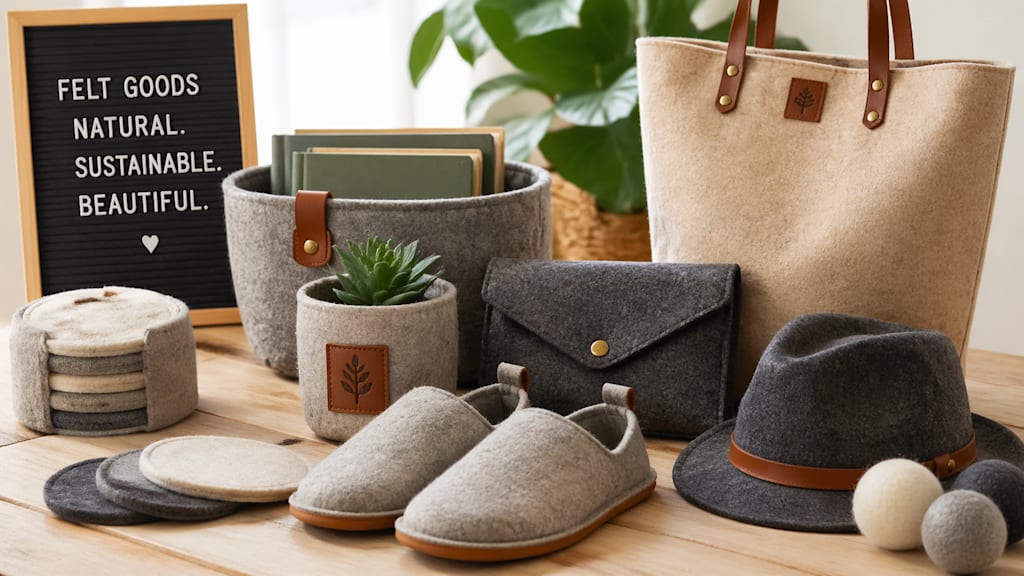
From cozy home décor to eco-friendly fashion accessories, felt products have quietly carved out a remarkable space in the American marketplace. Once associated primarily with school craft projects and holiday decorations, felt has evolved into a sophisticated material embraced by designers, small business owners, DIY enthusiasts, and everyday shoppers across the United States. Whether it's a hand-stitched felt wall hanging in a Brooklyn apartment or a set of wool felt coasters on a farmhouse kitchen table in rural Tennessee, felt is everywhere — and Americans are falling in love with it all over again.
What Makes Felt Such a Versatile Material?
Felt is one of the oldest textiles in the world, predating even woven fabrics. Unlike most materials, felt is not knitted or woven — it is made by matting, condensing, and pressing fibers together. This unique construction gives it a dense, durable texture that holds its shape exceptionally well.
In the USA market, you'll find two primary types of felt: synthetic felt (typically made from polyester or acrylic fibers) and natural wool felt. Synthetic felt is affordable, widely available, and perfect for crafting projects, educational tools, and budget-conscious decorating. Wool felt, on the other hand, is a premium product prized for its softness, breathability, and biodegradability — making it a top choice for eco-conscious consumers.
The beauty of felt lies in its versatility. It doesn't fray when cut, it can be easily glued, sewn, or layered, and it comes in a virtually limitless range of colors and thicknesses. These qualities make it a dream material for crafters, product designers, and manufacturers alike.
Felt Home Décor: Bringing Warmth Into American Homes
One of the fastest-growing categories of felt products in the USA is home décor. American consumers have shown a strong appetite for handmade, artisanal home goods — and felt fits perfectly into that trend.
Felt wall art and wall hangings have become particularly popular on platforms like Etsy and Amazon Handmade. Geometric felt designs, nature-inspired tapestries, and custom name banners are best-sellers in the home décor space. They add texture and warmth to any room without the visual heaviness of framed artwork or the cold sheen of metal décor.
Felt rugs and floor mats are another growing niche. Thick, pressed wool felt rugs are valued not just for their appearance but for their acoustic properties — they absorb sound, making them ideal for apartments and open-plan living spaces. Nursery rugs made from natural wool felt have surged in popularity among American parents who prioritize non-toxic, baby-safe materials.
Felt coasters, placemats, and table runners bridge the gap between functional and decorative. Many small American businesses have built entire product lines around these items, offering customizable options for weddings, corporate gifting, and holiday entertaining.
Felt Fashion and Accessories: A Timeless American Aesthetic
Felt has a long and storied history in American fashion. The iconic cowboy hat — a symbol of the American West — is traditionally made from wool felt. Today, felt continues to influence fashion in both traditional and contemporary ways.
Felt hats and caps remain perennial sellers, especially in artisan markets and boutique shops across the country. Fedoras, cloches, wide-brim hats, and beanies crafted from premium wool felt command strong price points and loyal customer bases.
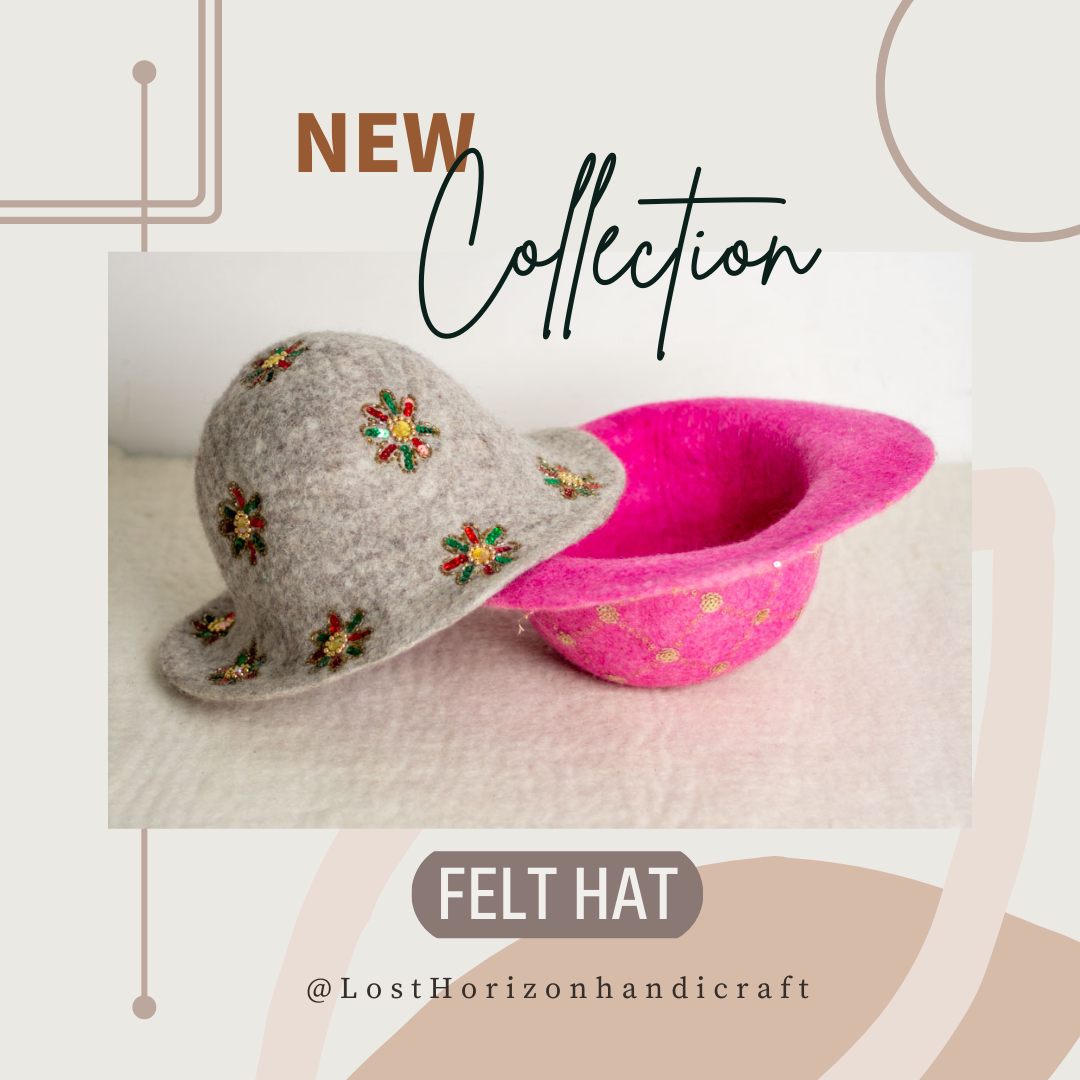
Felt bags and totes have become a favorite among eco-conscious shoppers. Sturdy, stylish, and sustainable, wool felt totes are a popular alternative to leather and synthetic handbags. They're especially well-received in urban markets like New York, Los Angeles, Portland, and Austin, where sustainability and aesthetics go hand in hand.
Felt jewelry and accessories — including brooches, hair clips, earrings, and bracelets — represent a thriving cottage industry in the USA. Independent artisans on platforms like Etsy sell thousands of handmade felt accessories every month, with floral designs and seasonal motifs being perennial top-sellers.
Felt for Kids: Safe, Fun, and Educational
No discussion of felt products in the USA would be complete without talking about the children's market. Felt is one of the safest materials available for kids' toys and educational tools, which is why it has long been a staple in American classrooms and homes.
Felt play sets and activity boards — such as felt food, felt story boards, and felt puzzles — are beloved by parents and educators for their screen-free, tactile play value. These products encourage creativity, fine motor development, and imaginative play in ways that plastic toys simply cannot.
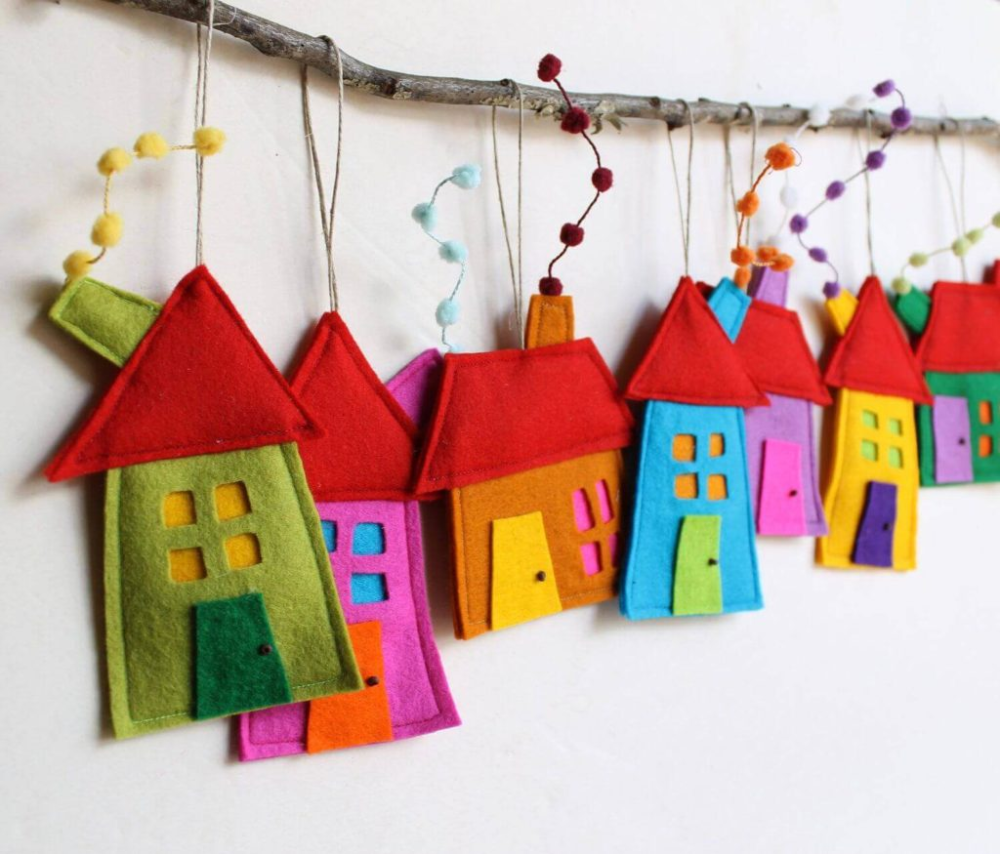
Felt advent calendars and holiday decorations are consistently among the top-selling seasonal products on major American retail platforms. Parents love that felt decorations are soft, lightweight, and safe for young children to handle — no sharp edges or breakable parts.
Classroom felt boards remain a staple in early childhood education across the USA. Teachers use them to teach letters, numbers, shapes, and storytelling in an interactive, hands-on way that resonates with young learners.
Sustainability: Felt's Biggest Selling Point in Today's Market
As American consumers become increasingly environmentally conscious, felt — particularly natural wool felt — has positioned itself as a genuinely sustainable choice.
Wool is a renewable resource. Sheep are shorn annually, and responsible wool farming practices can be carbon-neutral or even carbon-positive. Wool felt is also biodegradable, meaning it won't sit in a landfill for centuries the way plastic-based materials will.
Many American felt product brands have leaned into this sustainability narrative with great success. Companies that use certified organic wool, natural dyes, and plastic-free packaging are finding strong resonance with Millennial and Gen Z shoppers who want their purchases to align with their values.
Even recycled synthetic felt — made from post-consumer plastic bottles — has found a loyal following in the USA. Products like recycled felt desk organizers, cable management accessories, and acoustic panels appeal to office workers and tech-savvy consumers who want functional products with a lower environmental footprint.
The Business Opportunity: Selling Felt Products in the USA
For entrepreneurs and small business owners, felt products represent a compelling business opportunity. The barriers to entry are relatively low — raw materials are affordable and widely available, production can be done by hand or with basic machinery, and online marketplaces provide immediate access to millions of potential customers.
Etsy, Amazon Handmade, and Shopify stores have all proven to be strong sales channels for felt product businesses. Niche branding — such as specializing in felt pet toys, felt wedding decorations, or felt organizational products for home offices — can help new businesses stand out in a competitive marketplace.
Wholesale opportunities are also significant. Many American gift shops, children's boutiques, and eco-friendly retailers are actively seeking unique, handcrafted felt products to differentiate their inventory from mass-market alternatives.
Final Thoughts: Felt's Bright Future in America
The felt products market in the USA is not just surviving — it's thriving. Driven by the convergence of artisan craftsmanship, sustainability trends, and a renewed appreciation for tactile, natural materials, felt has secured its place as a beloved material across a wide range of product categories.
Whether you're a consumer looking to bring more warmth and texture into your home, a parent seeking safe and creative toys for your children, a fashion lover drawn to handcrafted accessories, or an entrepreneur exploring a new product niche, felt offers something genuinely special.
In a world increasingly dominated by cold, mass-produced, digital-everything, there's something deeply satisfying about a product that's soft to the touch, made by human hands, and built to last. That, in essence, is the enduring appeal of felt — and why it continues to find a warm welcome in homes and hearts across America.
About the Creator
Michael Philips
Helo I am Michael Philips working as a import export cordinator.
Enjoyed the story? Support the Creator.
Subscribe for free to receive all their stories in your feed.
Comments
There are no comments for this story
Be the first to respond and start the conversation.