
Why Welded Wire Mesh Remains Important in Modern Construction and Industry
Wire
The demand for durable construction materials continues to grow worldwide. Engineers and contractors are looking for solutions that improve safety while reducing maintenance costs. Among the materials receiving attention across multiple industries is welded wire mesh.
Recent construction projects have highlighted the value of welded wire mesh in both structural and non-structural applications. Its strength, flexibility, and long service life make it useful in many environments.
Understanding Welded Wire Mesh
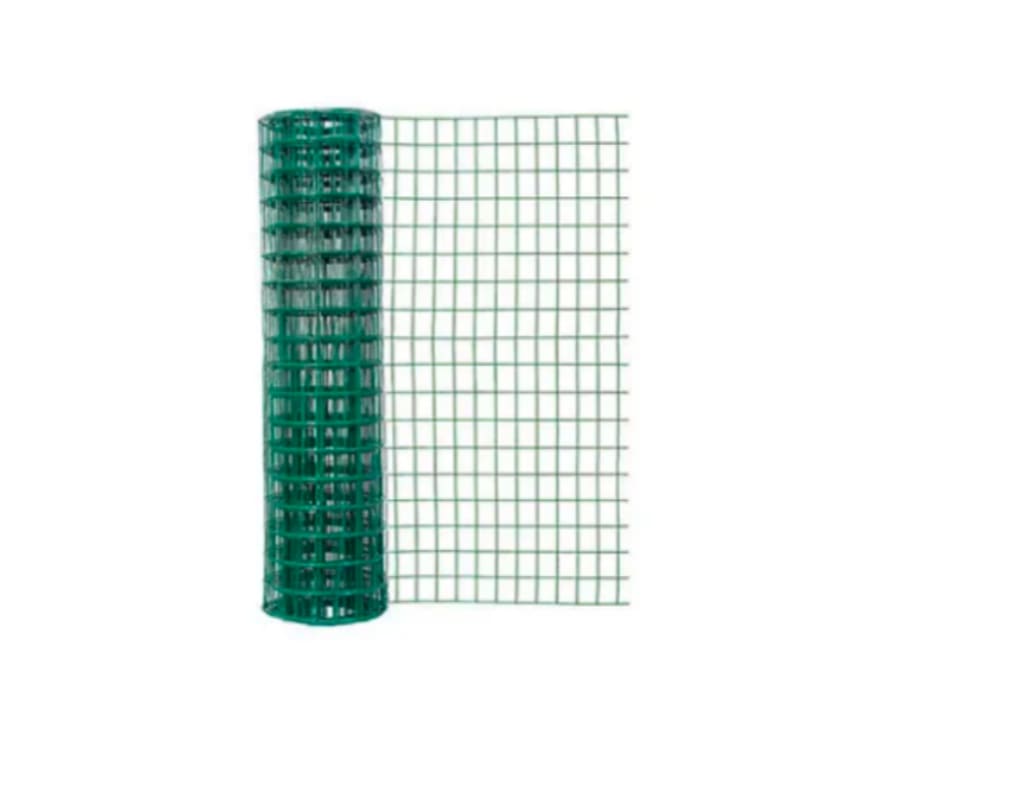
Welded wire mesh is a metal grid created by welding intersecting wires together. The result is a strong and uniform structure. It is commonly manufactured in rolls or flat panels.
Manufacturers produce welded wire mesh from different materials. Common options include low-carbon steel, galvanized steel, and stainless steel. Mesh openings are available in several sizes, with square openings being the most widely used.
The material is frequently selected because it combines durability with ease of installation.
Growing Use in Construction Projects
Construction companies increasingly use welded wire mesh for reinforcement purposes. The mesh helps distribute loads more evenly across structures.
Unlike separate steel bars, welded mesh remains fixed in position. This characteristic reduces movement during installation. Contractors often report faster placement times compared with traditional reinforcement methods.
Industry analysts note that reduced installation time can improve project efficiency. Faster completion schedules may also decrease exposure to weather-related delays
Types of Welded Wire Mesh
Different environments require different mesh specifications. As a result, several variations have become standard across industries.
PVC-Coated Welded Wire Mesh
PVC-coated mesh includes a protective plastic layer over the metal surface. This coating helps improve resistance to moisture and environmental exposure.
The material is frequently used in agriculture, transportation, and outdoor security systems. It is also found in decorative installations where appearance is important.
Galvanized Welded Wire Mesh
Galvanized mesh receives a zinc coating that protects the steel from corrosion. Manufacturers apply this coating before or after the welding process.
Hot-dip galvanizing remains one of the most common methods. The process creates a protective barrier against rust.
Because of its durability, galvanized mesh is widely used in fencing, industrial facilities, and infrastructure projects.
Stainless Steel Welded Wire Mesh
Stainless steel mesh offers excellent resistance to corrosion and chemical exposure. It maintains its strength even in demanding conditions.
Industries such as mining, transportation, agriculture, and filtration often depend on stainless steel mesh. Its long lifespan makes it suitable for projects requiring minimal maintenance.
Fencing Applications Continue to Expand
Security remains a major concern for property owners and facility managers. Welded wire fencing has become a practical solution for many sites.
Residential communities use it for perimeter protection. Industrial facilities install it around sensitive areas. Agricultural operations rely on it to contain livestock safely.
The rigid structure makes welded wire fencing difficult to damage. This characteristic contributes to its popularity in high-security environments.
Role in Industrial Safety
Manufacturing facilities continue to invest in workplace safety improvements. Welded wire mesh supports these efforts through machine guards and protective barriers.
The material allows visibility while maintaining separation between workers and equipment. This balance helps improve safety without restricting workflow.
Warehouses also use welded mesh shelving systems. These structures support heavy loads while allowing air circulation and visibility.
Reinforcement in Concrete Structures
Concrete performs well under compression but less effectively under tension. Welded wire fabric helps address this limitation.
The reinforcement distributes stresses throughout the concrete structure. Engineers commonly specify welded wire fabric for slabs, pavements, and precast components.
Modern manufacturing methods ensure consistent wire spacing and reliable weld quality. These factors contribute to predictable structural performance.
Architectural and Design Uses
Architects increasingly incorporate welded wire mesh into modern building designs. The material serves both functional and aesthetic purposes.
Applications include building facades, railing infill panels, and interior partitions. Its clean appearance complements contemporary architecture.
Green building projects also utilize wire mesh systems for ventilation and shading strategies.
Outlook for the Industry
Industry reports indicate continued growth in infrastructure and construction activities. As projects become more complex, demand for dependable reinforcement and protection materials is expected to increase.
Welded wire mesh remains relevant because of its versatility. It supports applications ranging from residential fencing to industrial safety systems and reinforced concrete structures
Its combination of strength, durability, and adaptability ensures that it will continue to play an important role in construction and manufacturing for years to come.
For additional technical information about welded wire mesh products and specifications, industry professionals often consult resources provided by leading manufacturers such as YSZ Wire Mesh.
About the Creator
Emily Carter
Emily Carter is a freelance writer focused on SEO, digital marketing, content publishing, and online business trends. Her articles provide insights into search optimization, content strategy, and the evolving world of digital media.
Enjoyed the story? Support the Creator.
Subscribe for free to receive all their stories in your feed.
Comments
There are no comments for this story
Be the first to respond and start the conversation.