
Why User-Centric Design is the Future of Software Development
Software Development
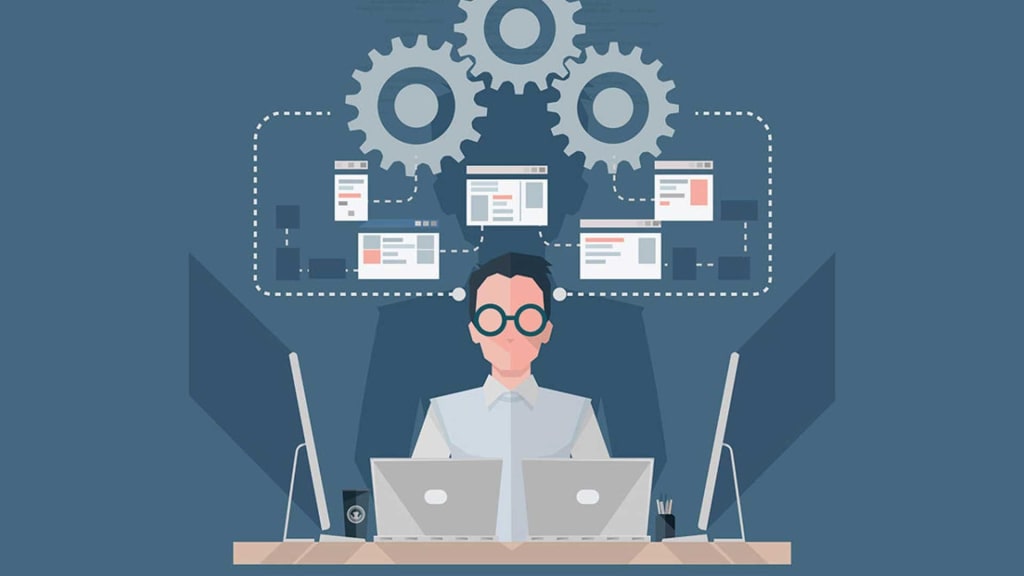
In the world of software development, one principle is becoming increasingly clear: the future of design lies in the concept of user-oriented design. In other words, this approach, in which the user stays the focused when it comes to every decision made in the process, is not only popular nowadays but is mandatory. And with the continuous change in the digital environment today, minimizing the UX is more crucial than ever. There are several reasons for this shift; advanced software development, a rising number of competitors, and the necessity to design technologies for people with disabilities.
The Rise of User-Centric Design
User-centered design is a paradigm approach where the user’s needs, requirements, and constraints when handling an application or system are put into consideration. This is a model that differs from other design methodologies that are normally centered on the technical characteristics of an implementation or on business needs, regardless of the user’s needs. User-centered design practice gained momentum at the end of the 20th century but has accelerated in recent years due to the increased role of technology in each one’s life.
That is why the user-centric approach is considered a key factor in addressing one of the most crucial trends in today’s software development – its sheer complexity. More often than not, as the applications and word systems become more advanced as well as complex, the chances of building hard-to-understand, irritating, or even unworkable software also rise. In this respect, a user-centric risk is minimized as it is understood that the priority is the end user and all development processes take this into account. This focus on the specific end-user goes a long way toward developing applications that are not only robust but also elegant and fun to use.
The Business Case for User-Centric Design
From the point of view of business, there is no doubt that the shift towards more user-oriented design would be quite favorable. It has been realized that organizations that take UX seriously receive better returns on investments (ROI) for respectively software-related projects. Forrester Research proved that the target for every dollar invested in UX can result in a give of $100, or other words, the ROI is as high as 9 thousand 900%. This is because the elements of good UX design directly impact the levels of customer satisfaction, loyalty, and even conversion rates.
In a competitive market, user-centric design may additionally make a big difference. Users now have greater choices than previously due to the billions of software and app items readily accessible. If the item is difficult to use and fails to meet their requirements, people are going to an alternative competitor product with hesitation. In focusing on the user experience, companies may create distinctive goods that result in an avid base among consumers.
The Role of User Feedback
Including input from users in the creation process is essential for human-centric design. Numerous sources, such as user testing, interviews, polls, and analytics data, can offer such input. Software can be created in a method that works the requirements of users if developers continually seek out and respond to feedback from users.
When it involves detecting potential issues earlier they turn into serious, customer input is particularly important in the initial stages of development. It remains useful, however, after an item is launched. These changes can be performed by developers because of ongoing input looping, that guarantees that the application continues to be useful and pertinent all through the period.
Inclusivity and Accessibility
Emphasizing accessibility and inclusion is another important component of focusing on user design. Technology needs to be made accessible to an array of consumers, especially those who have disabilities, in the various societies world today. Approximately 15% of the world's population, or over 1 billion people, live suffering from a disability, based on the International Health Agency. In light of this, access is both a practical as well as ethical requirement.
Developers can avoid losing consumers and attract more people by incorporating accessibility functions into their goods. It may involve developing for visually impaired users, providing subtitles to movies, and making sure the software can be navigated via a keyboard. In addition, accessible design methods may help produce software that becomes more user-friendly for all users, including those with limitations. For example, simple and straightforward navigation is beneficial to everybody, regardless of ability.
Agile Development and User-Centric Design
The transition to focus on user design was also greatly influenced by the rise of rapid development methods. Agile software development emphasizes flexibility, cooperation, and rapid cycle, all of these correspond to the principles of user-focused design. In an agile setting, client input is built into the creation process from the very beginning, allowing organizations to swiftly adapt to shifting customer needs.
The generation of stories for users is a key component of the agile strategy. They are short, simple descriptions of an attribute or the ability from the user's viewpoint. Stories about users keep the design team centered around customer demands while offering an organized framework for goods selection. This technique ensures sure the result fulfills customer expectations while offering true worth.
The Future of User-Centric Design
User-centric design will be increasingly important as technology advances further. New technologies such as artificial intelligence (AI), virtual reality (VR), and the Internet of Things (IoT) offer fresh challenges and possibilities to software developers. These technologies offer a chance to transform how we interact with software—but only when we are created with the user in mind.
For instance, it can be employed in creating smart applications that can deliver individualistic experiences that take into consideration the preferences of the user as well as his or her behavior patterns. However, if such applications are not designed with the user’s needs in mind, they create an annoyance or turn into nuisances in record time. In the same manner, VR or IoT applications must be easy to use or they will simply be shunned by normal consumers.
In the future, it is possible to predict that a user-oriented approach will be actively developed even further as these technologies enter the mass market. Those corporations not taking the outlined approach will find it difficult to hold their own in a new economy that is shifting more and more into a user-centric domain.
Challenges and Considerations
Indeed, some discussions acknowledge the increase in user satisfaction through a user-centric approach, nevertheless, this is not without disadvantages. The largest challenge is the conflict of interest when it comes to designing and developing applications that meet the needs of the users and the needs of the business. Sometimes the user might have a preference that does not contribute significantly towards the firm’s revenue. For instance, users can opt for a product with ads that is free while the company’s main goal can be to make profits through subscriptions.
One of the issues is the time and effort to forecast what users’ requirements and expectations will be. However, depending on the user feedback can be very misleading as there are always those users who are going to use the product in different ways than the designers ever expected. This is the reason why everyone should engage in generating and repeating the testing and iteration processes of the user-centered design. Since the improvement can be made according to the data collected from the target users, it would be beneficial for developers to reduce the gap between the software and the actual requirement.
There is the problem of availability or allocation of resources and this is also a limiting factor. Another disadvantage of adopting the user-centered design process is that it is time-consuming and costly, especially for the organization that is still establishing itself in the market and thus, cannot afford the high costs of the overall design process. But the advantages are by far definitely more than the disadvantages in the long run. Therefore, there is no doubt that by focusing on user-oriented design approaches, one is less likely to experience the need for redesign or else a complete failure of the product in the long run.
Conclusion
At Projecttree, it is now quite apparent that user-focused layout is more than just a strategy, that it’s the way of the future of computer programming. ‘We have found that the solution starts with user focus,’ and definitely, the trend is inclined to turn to user focus only as software becomes more complex than it is today and users start to pay more attention. The placement of the complete user comes with the idea of thinking about the product that is both functional and reliable but at the same time entertaining, engaging, and accessible.
As was revealed in the case of Nokia versus Apple, in a competitive environment, user-oriented design provides a competitive advantage resulting in higher levels of customer satisfaction and loyalty as well as improved business performance. It consequentially poses some challenges, however given the long-term gains it is worth all the effort for any software development team. With technology changing at the rate that it is, those that integrate user-centered design concepts will be ready to chart the new course forward.
About the Creator
Enjoyed the story? Support the Creator.
Subscribe for free to receive all their stories in your feed.
Comments
There are no comments for this story
Be the first to respond and start the conversation.