
Why SPVs Are Essential for Real Estate Tokenization Projects
Tokenization

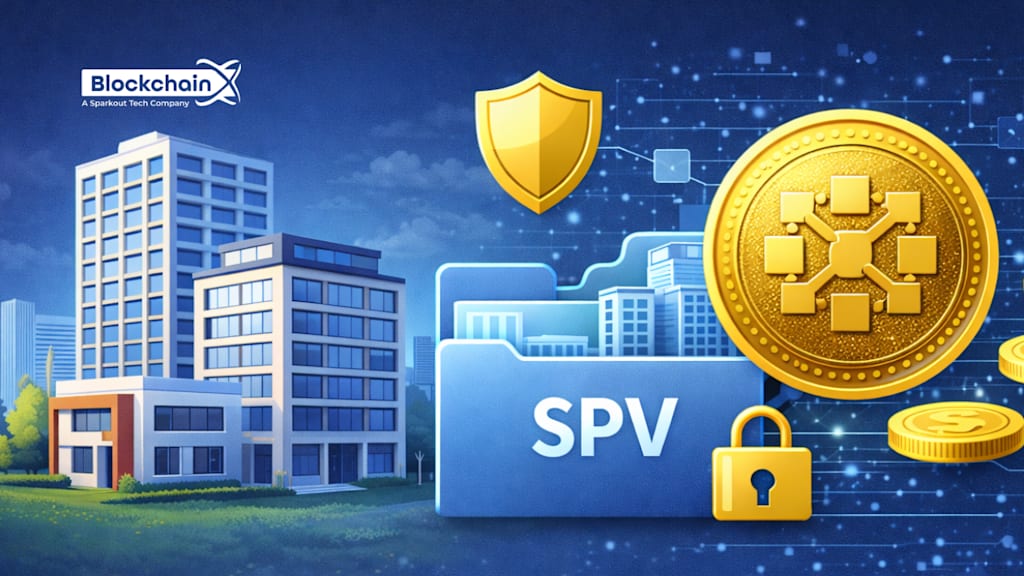
Real estate tokenization enables people to invest in property through fractional ownership which operates on blockchain technology. Investors can now purchase digital tokens which represent ownership of real estate assets instead of needing to buy entire properties with substantial funds. The new possibilities created by this innovation bring forward various difficulties which affect legal ownership matters and compliance requirements and methods to safeguard investors.
Special Purpose Vehicles (SPVs) establish their crucial importance in this situation. SPVs function as dedicated legal bodies which maintain ownership of real estate properties while enabling their tokenized distribution. Businesses can build a secure, transparent and regulatory-compliant investment system through their tokenization projects by using SPVs. The development of effective real estate tokenization systems requires people to understand SPVs functions in the process.
What is an SPV in Real Estate Tokenization?
A Special Purpose Vehicle (SPV) is a separate legal entity created specifically to own and manage a particular asset. The SPV in real estate tokenization holds property ownership on behalf of its investors. Investors in the property market hold tokens which function as ownership shares of the Special Purpose Vehicle.
The ownership structure identifies all property rights holders through its clear ownership distribution. The SPV becomes the legal owner of the property, while token holders have rights linked to their digital shares. The legal system maintains simpler operations through this separation which protects investment rights through proper investment structure maintenance. The market accepts SPVs as a reliable model because they have become established practice through their use in traditional finance and real estate transactions.
How Real Estate Tokenization Works with SPVs
The tokenization process begins by transferring the real estate asset to a special purpose vehicle. This legal arrangement establishes that one organization controls the property rights instead of multiple people sharing ownership. The SPV issues blockchain-based digital tokens after it acquires the asset, which represent ownership shares in the SPV.
Investors can then purchase these tokens, which give them direct ownership of the SPV and indirect ownership of its underlying property. Token holders receive their share of property income, which includes both rental income and proceeds from property sales, according to their ownership stake.
Smart contracts automate all essential functions, which include distributing funds, maintaining records, and conducting compliance assessments. The investment process becomes both smooth and efficient, while the system guarantees clear visibility and safe protection during all stages of asset management.
Key Challenges Without SPVs in Tokenization
Real estate tokenization projects experience major difficulties because they lack special purpose vehicles. The fundamental problem arises from the absence of established legal property ownership frameworks. Direct property ownership by multiple investors makes it difficult to determine their respective rights and duties.
Companies face high regulatory compliance expenses because they need to follow multiple competing laws. All regions maintain strict regulations that control both property ownership and securities. The absence of an SPV structure makes it difficult to achieve regulatory compliance requirements.
The absence of an established entity to manage the asset results in a higher risk of investor protection failure. Platform trust decreases because ownership and profit sharing and decision-making disputes occur. These challenges highlight why SPVs are not just useful but essential in tokenized real estate projects.
Why SPVs Are Essential in Real Estate Tokenization Projects
Clear Legal Ownership Structure
The special purpose vehicles create a legal framework which allows investors to obtain ownership rights through shareholding in property assets that the entity holds. This method establishes clear ownership rights which permit efficient entitlement management.
Regulatory Compliance and Risk Management
The special purpose vehicle structure provides better compliance solutions for local real estate and financial regulatory requirements. The investment structure achieves legal compliance which protects all parties involved from potential risks.
Investor Protection and Transparency
The special purpose vehicles create an asset separation which safeguards investors rights through dedicated channels. The combination of blockchain-based visibility with this system establishes strong trust and credibility.
Efficient Revenue Distribution
The property generates income which gets divided among token holders according to their ownership stakes. The process becomes faster and more accurate through the implementation of smart contract technology.
Benefits of Using SPVs in Tokenized Real Estate
Simplified Asset Management
Property management through a single legal entity structure enables efficient operational control. The method prevents operational difficulties that emerge when multiple parties possess direct ownership.
Fractional Ownership Made Easy
SPVs enable seamless fractional ownership by linking tokens to shares in the entity. This system enables investors to make smaller capital investments.
Reduced Legal Complexity
The SPV framework unifies multiple ownership agreements into a single entity which simplifies legal procedures for all involved parties.
Improved Investor Confidence
Investors trust a well-structured SPV model because it establishes clear security measures and compliance requirements which protect their investment process.
Real-World Use Cases of SPV-Based Tokenization
Residential Property Tokenization
The process of apartment and housing project tokenization uses SPVs to create ownership shares which multiple investors can buy to receive rental revenue.
Commercial Real Estate Projects
SPVs enable the tokenization of office spaces and shopping malls and commercial properties, which lets investors purchase fractional ownership of these assets.
Rental Income Distribution Models
The SPV system operates property management and automatically distributes rental income to token holders, which guarantees steady investment returns.
Cross-Border Property Investments
International investors can access real estate markets through SPVs which allow them to bypass the challenges of dealing with intricate property regulations.
Why SPV-Based Tokenization is the Future of Real Estate
The rising need for investment options that provide both flexibility and easy access to capital markets has created demand for SPV-based tokenization as an effective investment solution. The system combines traditional legal structures with blockchain technology to deliver efficient results.
The method enables investors from all over the world to participate in real estate markets which exist outside their local base. The system enables people to invest in real estate through fractional ownership which creates opportunities for wider investor participation.
The increasing use of blockchain technology in real estate together with new regulatory systems will establish SPVs as essential elements which will determine how property investment develops in coming years. The system requires these components to enable tokenization expansion while sustaining both trust and regulatory compliance.
Conclusion
SPVs function as essential components which establish the legal framework and security measures and project operational requirements needed to accomplish successful real estate tokenization projects. The system provides simplified ownership solutions which maintain legal compliance and safeguard investors while enabling smooth operations of tokenized assets.
SPV-based tokenization will gain greater significance as real estate markets progress through their digital transformation. The system establishes a future for property investment through its combination of existing legal systems and contemporary blockchain solutions which enable better access and transparency and growth potential for property investment opportunities.
About the Creator
rosemason
I am a rosemason with a deep expertise in blockchain technology.seasoned consultant who specializes in helping businesses and organizations harness the power of decentralized systems.currently working in real estate tokenization services.
Enjoyed the story? Support the Creator.
Subscribe for free to receive all their stories in your feed.
Comments
There are no comments for this story
Be the first to respond and start the conversation.