
Why Regular Inspection of Shop Overhead Crane Is Crucial for Safety
Enhancing Safety and Efficiency Through Routine Overhead Crane Inspections

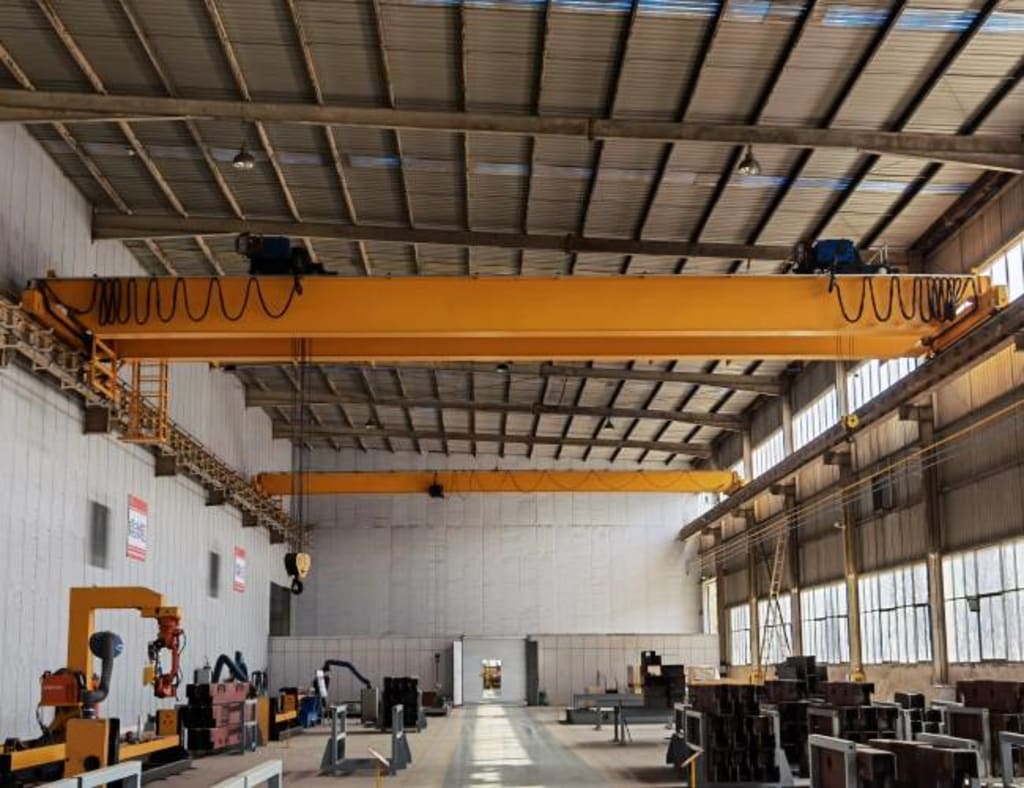
Overhead cranes are essential pieces of equipment in many industries, from manufacturing and warehousing to construction and logistics. In a shop environment, overhead cranes play a vital role in moving heavy loads, improving efficiency, and reducing manual labor. However, like all heavy machinery, they require regular inspections to ensure they operate safely and efficiently. Failure to inspect and maintain these cranes can lead to severe consequences, including equipment damage, downtime, costly repairs, and, most importantly, safety hazards. This article explores why regular inspection of shop overhead cranes is crucial for safety and how it contributes to a safer work environment.
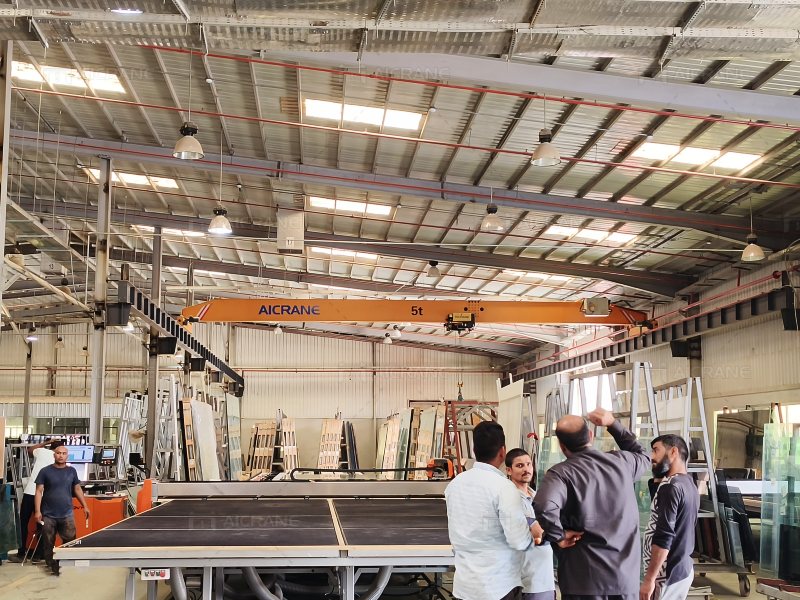
1. Preventing Equipment Failure
Regular inspections are a proactive approach to identifying potential problems before they turn into serious failures. Overhead cranes are subject to significant stress and wear due to the constant lifting and moving of heavy loads. Components such as cables, hooks, gears, and brakes can degrade over time, increasing the risk of failure if not properly monitored. A routine inspection can identify:
Cracks or Deformations: Inspecting the structure for any visible cracks or deformities can prevent catastrophic failures during operations.
Worn-Out Parts: Key components like hoist ropes, chains, and hooks wear down over time. Replacing worn parts before they break can prevent dangerous situations.
Lubrication Issues: Regular checks ensure that moving parts are well-lubricated, preventing mechanical failure and extending the lifespan of the equipment.
By catching these issues early, regular inspections minimize the risk of sudden breakdowns, ensuring that the crane remains reliable and reducing the chance of accidents.
2. Compliance with Safety Standards
In many countries, safety regulations mandate regular inspections of overhead bridge cranes to comply with occupational health and safety standards. Organizations like OSHA (Occupational Safety and Health Administration) and other regulatory bodies provide guidelines on how often inspections should occur and what aspects of the crane need to be checked. Non-compliance with these standards can result in hefty fines, legal liability, and, in the worst cases, operational shutdowns. Regular inspections ensure that:
Safety Standards Are Met: Complying with safety regulations protects employees and the business from potential accidents and fines.
Insurance Requirements Are Fulfilled: Many insurance policies require evidence of regular inspections as part of their conditions for coverage. Failure to comply can lead to denial of claims in the event of an incident.
Legal Liability Is Minimized: Following industry safety standards reduces the risk of legal consequences if an accident were to occur.
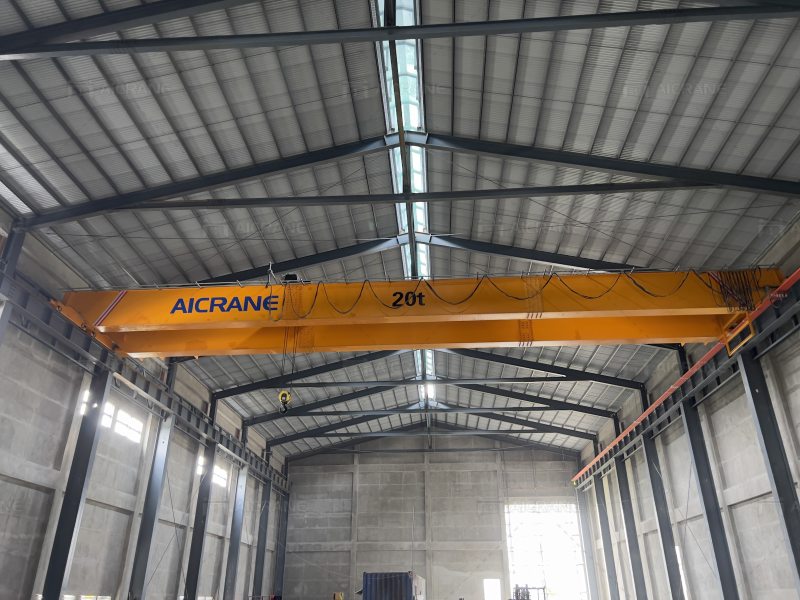
3. Ensuring Operator and Workplace Safety
The safety of crane operators and other workers in the vicinity is a top priority. A malfunctioning crane can pose severe risks, leading to accidents that can cause injuries or even fatalities. Regular inspections enhance safety by:
Detecting Structural Weaknesses: Inspections can identify any structural weaknesses in the crane's frame or supports, preventing potential collapses.
Checking Safety Mechanisms: Safety features such as limit switches, emergency stop buttons, and overload protection need to be regularly tested to ensure they function correctly. These mechanisms are critical for stopping the crane in emergencies and preventing overload situations.
Improving Operator Confidence: When operators know that the crane has been inspected and deemed safe, they can perform their duties with more confidence, reducing the likelihood of mistakes due to hesitancy or fear of equipment failure.
Regular inspections create a safer working environment, fostering a culture of safety and accountability among employees.
4. Reducing Unplanned Downtime
Unplanned downtime can be costly for any operation, disrupting production schedules, delaying projects, and leading to financial losses. By conducting regular inspections, businesses can:
Schedule Maintenance: Identifying wear and tear early allows maintenance to be scheduled during off-peak hours, minimizing disruption.
Avoid Emergency Repairs: Catching small issues before they escalate prevents unexpected equipment failures, which often require costly emergency repairs.
Extend Equipment Life: Regular inspections and maintenance extend the lifespan of the crane, maximizing the return on investment and avoiding the need for early replacement.
By reducing downtime and maintaining productivity, regular inspections contribute to a more efficient and cost-effective operation.
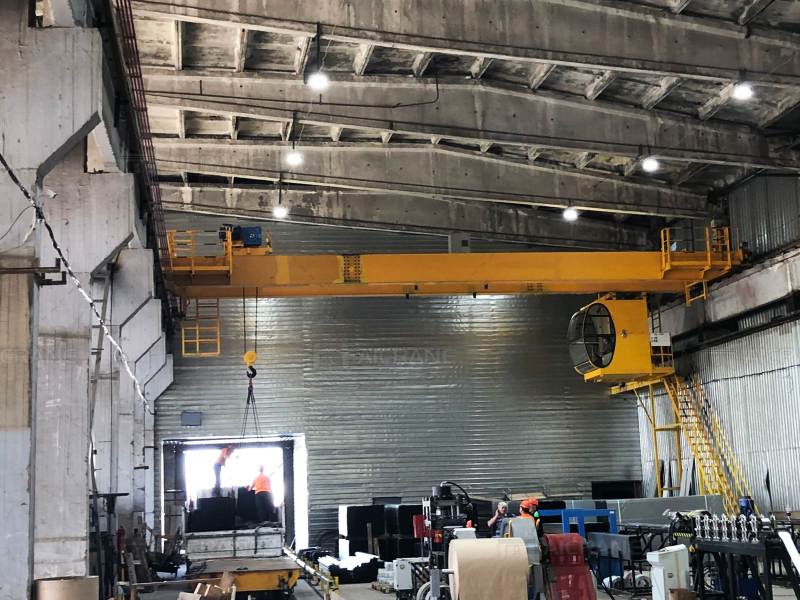
5. Supporting a Culture of Safety and Accountability
Regular crane inspections are not just about meeting legal requirements—they also demonstrate a commitment to safety. A workplace that prioritizes safety inspections sends a clear message to employees that their well-being is a priority. This mindset encourages:
Safety Awareness Among Staff: Regular inspections remind employees of the importance of safety, encouraging them to be vigilant and report any potential hazards.
Accountability for Equipment Use: When workers know that cranes are regularly inspected, they are more likely to handle equipment responsibly, knowing that improper use can lead to disciplinary actions if detected during an inspection.
Promoting a culture of safety and accountability can lead to fewer accidents, improved morale, and a more positive work environment.
Conclusion
Regular inspection of shop overhead cranes is a critical aspect of maintaining a safe and productive work environment. It helps prevent equipment failures, ensures compliance with safety standards, safeguards the well-being of workers, reduces unplanned downtime, and fosters a culture of safety and accountability. By investing in routine inspections, businesses not only protect their employees but also ensure that their operations run smoothly and efficiently. Properly maintained overhead cranes are an asset that contributes to the long-term success and safety of any industrial operation. Prioritizing safety through regular inspections is not just a legal requirement—it's a smart business decision that pays off in the long run.
About the Creator
Aicrane Group
Aicrane is a professional fabrication and trade integration enterprise in Overhead Crane, Gantry Crane, Rubber Tire Gantry Crane, Boat Lift, Steel Structure Workshop, Construction Winch, Marine Winch,etc.
Enjoyed the story? Support the Creator.
Subscribe for free to receive all their stories in your feed.
Comments