
Why Nepali Products Are Becoming a Hidden Gem in the U.S. Market
For entrepreneurs, startups, and small import businesses, this shift opens up a very real opportunity.
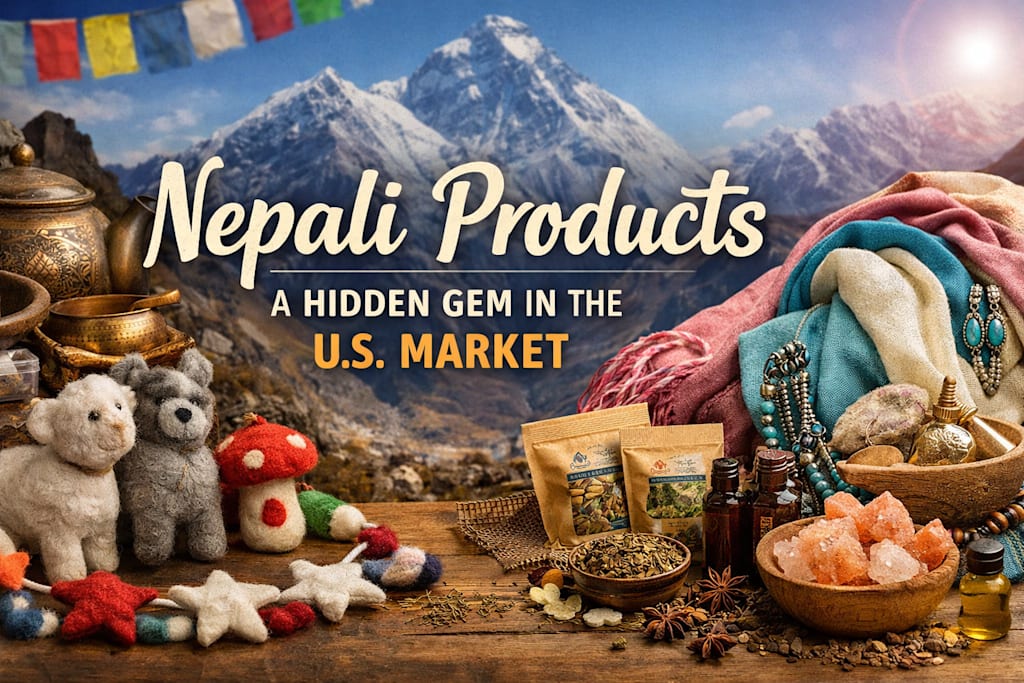
Nepal may be a small country on the map, but when it comes to handmade goods, natural materials, and traditional craftsmanship, it holds a surprising amount of global potential. Over the past few years, Nepali products have started quietly making their way into international markets — especially the United States.
What’s interesting is not just what Nepal produces, but why people are beginning to care more about it.
In the U.S., consumer habits are shifting. People are no longer satisfied with mass-produced, identical products. Instead, they are looking for something that feels real — handmade, sustainable, ethical, and meaningful. And this is exactly where Nepal naturally stands out.
From felt crafts and pashmina shawls to handmade paper and Himalayan herbal products, Nepali goods are slowly building a reputation among buyers who value authenticity over automation.
For entrepreneurs, startups, and small import businesses, this shift opens up a very real opportunity.
A Changing Market: Why the U.S. Is Paying Attention
In the American market, buying decisions are no longer just about price or convenience. There is a growing focus on:
- Handmade and artisan-made products
- Eco-friendly and sustainable materials
- Fair trade and ethical sourcing
- Natural and organic ingredients
- Unique cultural storytelling behind products
This is where Nepal has an advantage that cannot be easily replicated.
Most Nepali products are made by local artisans using traditional methods passed down through generations. These are not factory-line goods — they carry identity, culture, and human effort in every piece.
And for many U.S. buyers, that story matters just as much as the product itself.
Felt Products: A Small Product with Big Global Demand
One of the strongest export categories from Nepal is handmade felt products. These items have quietly found a strong place in markets like Etsy stores, boutique home décor shops, and eco-friendly lifestyle brands.

What makes them so popular is their simplicity and versatility.
You’ll find Nepali felt products being used as:
- Children’s toys (safe, soft, and chemical-free)
- Home décor items (baskets, coasters, wall décor)
- Seasonal decorations, especially Christmas ornaments
For example, felt snowmen, stars, and garlands made in Nepal are now common in holiday collections in small U.S. gift shops.
For startups, this category is especially attractive because it allows small batch production and easy entry into online marketplaces.
Pashmina: Nepal’s Most Recognized Luxury Export
When people think of Nepal in fashion, pashmina often comes first.
Authentic Nepali pashmina is valued globally for its softness, warmth, and elegance. In the U.S., it fits perfectly into the premium winter fashion and boutique accessories market.
Consumers here are willing to pay more when they know:
- The product is ethically made
- It is authentic cashmere or high-quality wool
- It supports artisan communities
For startups in fashion or lifestyle branding, pashmina offers a strong entry point into premium storytelling-based marketing.
Handmade Crafts: Where Culture Meets Lifestyle
Nepal’s handicrafts are more than souvenirs — they are cultural expressions.
Products like singing bowls, wooden carvings, prayer flags, and handmade metal art are increasingly being used in:
- Yoga studios
- Meditation spaces
- Bohemian-style home décor
- Wellness and mindfulness spaces
This is not just a product category anymore — it’s a lifestyle category.
And lifestyle products are where strong branding startups can grow quickly if they position themselves correctly.
Lokta Paper: An Eco-Friendly Opportunity
Lokta paper is one of Nepal’s most unique and underrated exports.
Made from the bark of the Daphne plant found in the Himalayas, it is durable, natural, and fully handmade. In the U.S., it is gaining attention among eco-conscious brands looking for sustainable alternatives.

It is used in:
- Journals and notebooks
- Gift wrapping
- Eco-friendly packaging
- Stationery products
For startups focused on sustainability, Lokta paper products can easily be positioned as premium eco-luxury goods.
Himalayan Herbs and Wellness Products
The wellness industry in the U.S. is booming, and consumers are actively searching for natural alternatives to chemical-based products.
Nepal’s Himalayan region provides access to herbs, teas, and natural ingredients that are increasingly in demand.
Popular categories include:
- Herbal teas
- Essential oils
- Natural soaps
- Organic honey
- Ayurvedic wellness products
Startups in the health and wellness space are especially well-positioned here, as these products align with global trends in clean living and natural health.
Jewelry and Handmade Accessories
Handmade jewelry from Nepal is gaining attention in the boho and artisan fashion market.
Beaded necklaces, silver rings, stone jewelry, and tribal-inspired designs appeal strongly to younger audiences in the U.S. who prefer unique, non-mass-produced fashion.
Platforms like Etsy and Instagram have made it much easier for small Nepali brands and startups to reach global buyers directly.
Tea, Coffee, and Hemp Products
Nepal’s tea industry is slowly gaining recognition in global specialty markets, often compared with premium Himalayan teas from nearby regions. Organic, single-origin tea is especially attractive to U.S. buyers.
At the same time, hemp-based products like bags, wallets, and clothing are also growing in demand due to their sustainability and durability.
These categories are ideal for startups looking to build modern eco-brands with traditional roots.
Why This Opportunity Matters for Startups
What makes Nepali exports interesting today is not just the products themselves — but the timing.
Global consumers are actively shifting toward:
- Ethical shopping
- Handmade authenticity
- Sustainable lifestyles
- Cultural storytelling
This creates space for startups to build brands around Nepali products rather than just selling them as commodities.
A small startup can:
- Source directly from artisans
- Build a strong story-driven brand
- Sell through Etsy, Amazon Handmade, or Shopify
- Scale gradually with low initial investment
In many cases, the story behind the product becomes more valuable than the product itself.
Challenges You Should Be Aware Of
Of course, importing and selling Nepali products is not without challenges:
- Shipping costs and logistics
- Maintaining consistent quality
- Packaging standards for U.S. markets
- Customs and import regulations
- Supplier reliability
Successful startups usually start small, test a few products, and then scale based on demand.
Final Thoughts
Nepali products are no longer just cultural artifacts or tourist souvenirs. They are becoming part of a global movement toward sustainability, authenticity, and meaningful consumption.
For entrepreneurs and startups, this is a unique window of opportunity.
Whether it’s handmade felt crafts, pashmina, herbal products, or eco-friendly paper goods, Nepal offers something that many mass-production economies cannot easily replicate: real human craftsmanship with a story behind it.
And in today’s market, that story often matters just as much as the product itself.
About the Creator
Enjoyed the story? Support the Creator.
Subscribe for free to receive all their stories in your feed.
Comments
There are no comments for this story
Be the first to respond and start the conversation.