
Why Metallic Labels Continue to Influence Modern Packaging
Packaging trends evolve, but reflective finishes remain tied to changing ideas about quality, identity, and visual communication.

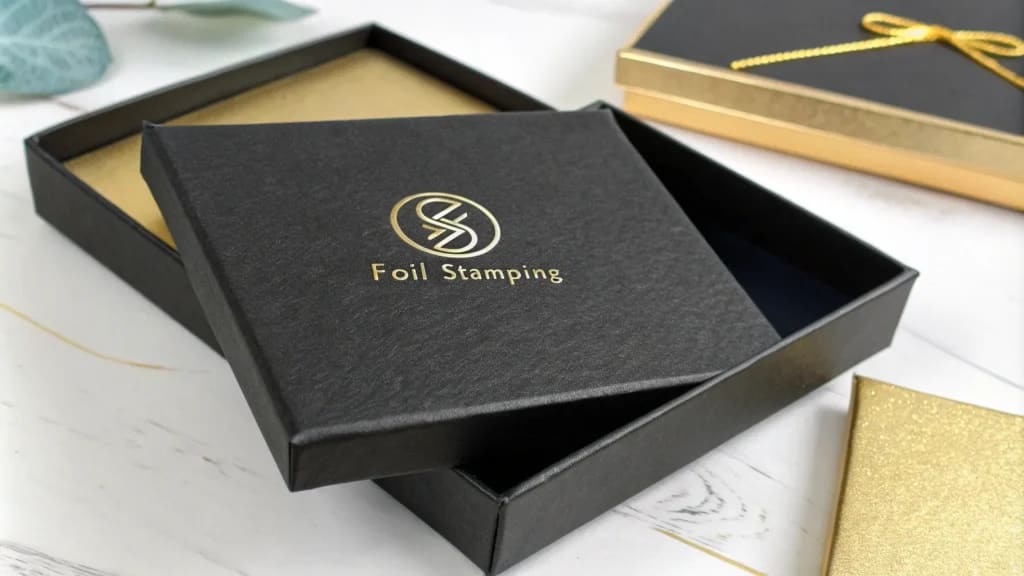
Walk through any retail aisle and packaging starts communicating long before a product is opened. Color, texture, typography, and finishing techniques all contribute to first impressions. Among these elements, metallic labels have maintained a surprisingly long lifespan despite shifts in design preferences.
Gold and silver finishes appear across industries including cosmetics, electronics, beverages, and specialty retail products. Their persistence raises an interesting question: why do reflective labels remain relevant in a period increasingly shaped by minimalism and sustainability concerns?
Part of the answer lies in changing production methods. Manufacturing environments sometimes described as a Foil Stamping Sticker Factory represent a broader trend toward specialized packaging processes capable of producing varied textures and finishes for different industries.
Packaging Has Become Part of the Experience
Labels once existed mainly to identify products. Over time, packaging became something more influential: a way to establish expectations before consumers interact with what is inside.
A matte surface may suggest simplicity or restraint. Metallic finishes can imply celebration, luxury, or limited availability. These associations are not universal, but they illustrate how visual details influence interpretation.
Packaging often communicates emotion before information.
Why Reflective Surfaces Draw Attention
Humans naturally notice contrast. Surfaces that reflect light behave differently than flat textures, making them more visually prominent in crowded environments.
That does not necessarily mean reflective labels improve products. Rather, they demonstrate how presentation shapes perception. Similar patterns appear in architecture, advertising, and digital design where contrast directs attention.
The relationship between appearance and perceived value continues influencing packaging decisions across industries.
Technology Changed How Labels Are Produced
Advances in printing have expanded customization possibilities.
Smaller production runs, niche branding projects, and personalized packaging have become more accessible than they once were. Businesses no longer always require large-scale manufacturing commitments to experiment with packaging design.
This flexibility mirrors a wider consumer preference for customization over uniformity.
Sustainability Is Reshaping Packaging Conversations
Decorative packaging increasingly faces environmental scrutiny.
Questions surrounding recyclability, waste reduction, and material efficiency now influence decisions previously driven primarily by aesthetics.
The future of packaging may depend on balancing visual distinction with environmental responsibility.
Packaging Exists in Both Physical and Digital Spaces
Online shopping changed expectations around product presentation.
A design that stands out in person may appear differently on screens. Reflective finishes, in particular, respond unpredictably to lighting and photography. As a result, Packaging Labels increasingly need to function effectively both on physical shelves and in digital marketplaces.
Packaging design now serves two audiences simultaneously: shoppers in stores and viewers encountering products through images or video.
Trends Change, but Adaptation Remains Constant
Design movements rarely disappear permanently. Minimalism gains influence before more expressive styles return, while matte finishes cycle alongside glossy textures.
Metallic labels have persisted because they adapt rather than remain tied to one aesthetic period.
Their continued presence reflects something larger: packaging sits at the intersection of manufacturing, psychology, culture, and communication. Even discussions surrounding Silver Foil Sticker Wholesale markets increasingly focus on customization, durability, and changing consumer expectations instead of decoration alone.
In the end, labels are rarely simple additions to a product. They often reflect evolving ideas about value, identity, and how objects introduce themselves before consumers experience what lies inside.
About the Creator
Enjoyed the story? Support the Creator.
Subscribe for free to receive all their stories in your feed.
Comments
There are no comments for this story
Be the first to respond and start the conversation.