
Why Magnetic Car Stickers Continue to Shape Mobile Advertising
How simple vehicle signage continues to survive in an era dominated by digital advertising.

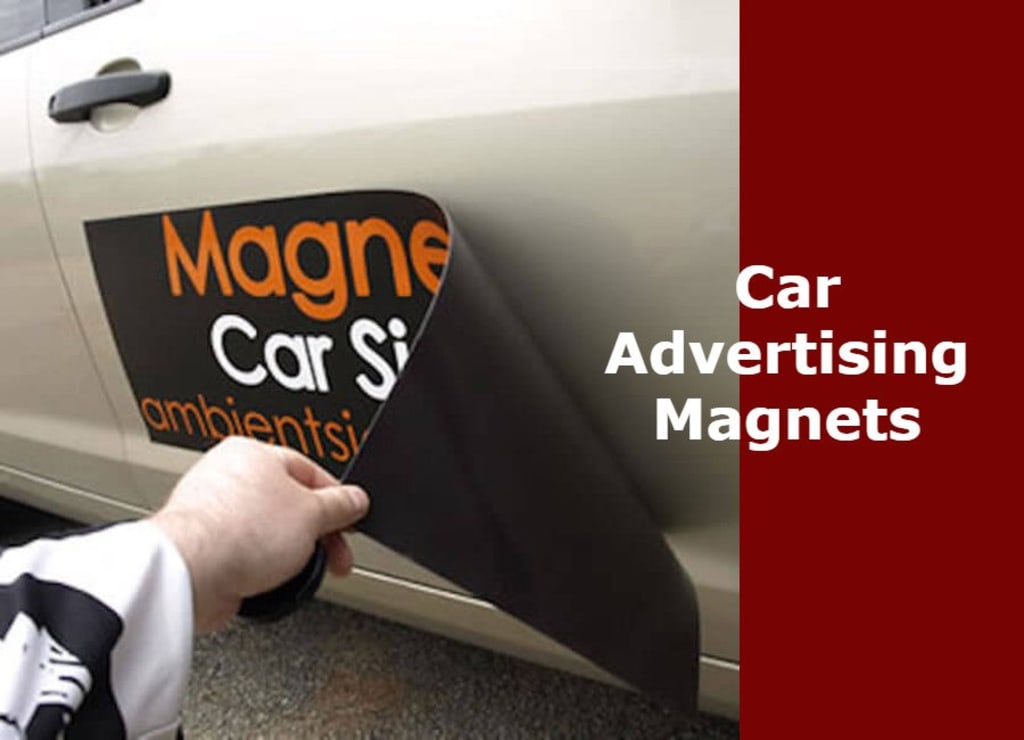
Walk through any busy parking lot and you’ll notice vehicles carrying logos, messages, or simple designs attached to doors and bumpers. These displays often appear temporary, yet they remain part of everyday visual culture. Car stickers and bumper labels have evolved into practical communication tools used for branding, local awareness, and personal expression.
Unlike permanent paint or vinyl wraps, magnetic signs can be removed and replaced without altering the vehicle surface. That flexibility explains why they continue attracting attention despite changing advertising trends.
The Long Relationship Between Vehicles and Messaging
Cars have functioned as moving communication platforms for decades. Early vehicle graphics focused on identification and business names, but over time they expanded into political slogans, social causes, humor, and commercial promotion.
The rise of adhesive technologies contributed to this shift. Improvements in materials allowed signs and labels to become more durable while remaining easier to apply or remove. According to information related to adhesive labeling systems, labels serve identification, informational, and branding purposes across multiple industries. Their adaptability has helped them remain relevant in transportation contexts as well.
Magnetic signs represent another stage in that evolution because they combine visibility with reversibility.
Why Temporary Vehicle Graphics Remain Relevant
Permanent vehicle customization offers long-term exposure but limits flexibility. Temporary options provide advantages in situations where messaging changes frequently.
Examples include:
- Seasonal campaigns
- Event participation
- Local service announcements
- Temporary business branding
- Personal messaging or decorative uses
Someone using one vehicle for both personal and professional activities may prefer removable graphics rather than committing to permanent branding.
That practicality explains why terms such as Magnetic Car Stickers Factory, Magnets Sticker wholesale, and Bumper Stickers Manufacturer appear frequently in manufacturing discussions. Demand often reflects the need for adaptable products rather than purely promotional interests.
Visibility and Human Attention
Mobile graphics differ from digital advertisements because they occupy physical space. A parked vehicle or a car moving through traffic interacts with audiences unexpectedly.
Researchers studying attention often note that people respond to repeated visual exposure. Seeing the same symbol or message multiple times can increase familiarity over time. Vehicle-based displays benefit from this effect because they travel through different neighborhoods and environments.
However, visibility alone does not guarantee impact. Design choices matter.
Large text, readable contrast, and concise messaging typically outperform overcrowded layouts. Simplicity tends to remain memorable longer than excessive detail.
Material Durability Influences Perception
Environmental conditions challenge outdoor materials constantly. Heat, rain, dust, and ultraviolet exposure all affect appearance over time.
A faded or damaged magnetic label may reduce readability and influence perceptions of quality. Because of this, manufacturing standards increasingly emphasize:
- Weather resistance
- Strong magnetic hold
- Fade-resistant printing
- Surface protection
- Easy removal without residue
These considerations apply broadly across Custom Stickers, Labels Stickers, Packaging Labels, and vehicle graphics industries.
The Psychological Role of Personal Expression
Not all bumper messages exist for business reasons. Many people use stickers to express identity, humor, affiliations, or opinions.
This behavior reflects a broader social pattern: individuals often communicate values through visible objects. Clothing, accessories, and vehicles all become forms of self-expression.
A simple bumper label can indicate hobbies, causes, fandoms, or beliefs. The message may be temporary, but the desire to communicate identity remains consistent.
Sustainability Questions Around Temporary Graphics
Growing awareness of waste has increased scrutiny toward printed products. Consumers and businesses increasingly evaluate whether materials are recyclable, reusable, or environmentally responsible.
Reusable magnetic signs potentially reduce replacement frequency compared with single-use alternatives. Yet sustainability depends on manufacturing processes, longevity, and disposal methods.
Future innovations may focus more heavily on environmentally conscious materials without sacrificing durability.
Technology May Change Design—but Not the Need
Digital screens and connected vehicles could eventually transform mobile messaging. Yet fundamental communication needs are unlikely to disappear.
People and organizations continue seeking ways to share information beyond fixed locations. Vehicles naturally provide mobility, making them useful communication surfaces regardless of technological shifts.
Magnetic graphics persist because they balance convenience, adaptability, and visibility. Their relevance suggests that even in increasingly digital environments, physical messaging still influences how information moves through everyday spaces.
The continued presence of removable vehicle signs illustrates a larger principle: practical tools often survive not because they are revolutionary, but because they remain useful in changing circumstances.
About the Creator
Enjoyed the story? Support the Creator.
Subscribe for free to receive all their stories in your feed.
Comments
There are no comments for this story
Be the first to respond and start the conversation.