
Why Lettering Transfer Decals Continue to Shape Everyday Visual Communication
A closer look at how lettering transfer decals evolved into practical tools for communication, organization, and modern visual design.

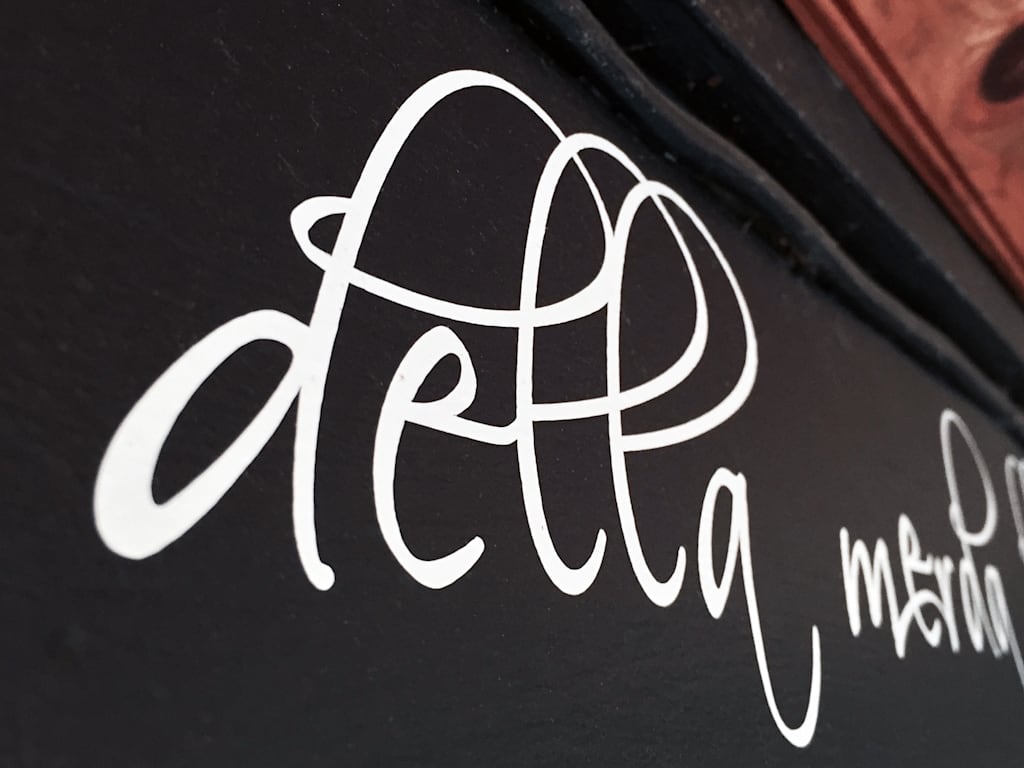
Walk through any city street, business district, or public event and signs appear everywhere. Vehicle branding, storefront windows, office labels, directional graphics, and decorative displays often rely on one overlooked tool: lettering transfer decals. While they may seem like a simple product, these decals play a significant role in communication, branding, and personalization.
According to information about Sticker culture and usage, Custom Stickers have evolved far beyond decoration. They now serve practical purposes across industries, helping businesses and individuals display information quickly and efficiently. Lettering transfer decals represent one specialized branch within that broader category.
What Are Lettering Transfer Decals?
Lettering transfer decals are adhesive graphics designed to transfer letters, logos, or designs onto a surface without leaving a visible background material. Unlike standard printed stickers, only the intended characters or shapes remain visible after application.
Their popularity stems from clean presentation. Glass doors displaying operating hours, vehicle names, warehouse labels, and office identification often use this approach because it creates a painted appearance without permanent modification.
The manufacturing process usually involves vinyl cutting, transfer tape application, and precision alignment techniques. Advances in production have improved durability, allowing decals to withstand outdoor conditions including sunlight, rain, and temperature changes.
Terms such as Vinyl Lettering transfer Stickers Factory or Lettering Transfer Decal manufacturer commonly appear in discussions about industrial production because businesses frequently seek customized solutions at scale. However, the larger conversation extends beyond manufacturing into how visual information is communicated.
The Shift Toward Minimal Visual Messaging
Modern design trends increasingly prioritize simplicity. Consumers process information rapidly, making concise visual communication more valuable than overloaded designs.
Lettering decals fit this preference because they remove unnecessary backgrounds and decorative elements. A business name displayed directly on glass can appear cleaner than a traditional signboard.
This trend reflects broader changes in branding:
- Preference for minimal aesthetics
- Increased emphasis on readability
- Flexible temporary installations
- Cost-conscious alternatives to painted signage
Such changes influence industries ranging from retail to logistics.
Practical Applications Beyond Advertising
Lettering decals are often associated with promotional displays, yet many uses have little connection to marketing.
Examples include:
Safety labeling:
Factories and warehouses apply instructions or warnings where permanent paint would be impractical.
Organization systems:
Storage facilities, offices, and educational institutions use decals for identification purposes.
Transportation:
Vehicle numbering and regulatory information frequently depend on transfer lettering.
Events and temporary installations:
Short-term exhibitions benefit from removable visual elements.
Because decals can be replaced more easily than permanent markings, organizations gain flexibility.
The Role of Material Innovation
Durability remains one of the biggest challenges for adhesive graphics. Exposure to moisture, ultraviolet radiation, and friction can reduce lifespan.
Manufacturers continue experimenting with:
- Weather-resistant vinyl
- Stronger adhesive technologies
- Eco-conscious production materials
- Improved transfer mechanisms
These developments influence both performance and environmental considerations.
The phrase Lettering Sticker bulk often appears in industrial contexts because organizations requiring large quantities prioritize consistency and durability over purely decorative value.
Customization and Individual Expression
Personalization has become increasingly important across consumer products. Cars, laptops, storefronts, and home décor reflect individual identity through customized visual elements.
Transfer decals support this movement by offering flexibility without permanence. Designs can be updated, removed, or replaced according to changing preferences.
This adaptability partly explains why custom graphics continue expanding beyond traditional commercial settings.
Environmental Questions Around Adhesive Products
As sustainability discussions grow, adhesive materials receive greater scrutiny. Vinyl-based products raise concerns regarding disposal and long-term environmental impact.
Some producers explore recyclable substrates or reduced-waste production methods, though adoption remains uneven across the industry.
Future innovation may focus less on appearance and more on lifecycle sustainability.
Why Lettering Decals Remain Relevant
Technologies evolve quickly, yet simple visual communication tools often persist because they solve practical problems efficiently. Lettering transfer decals continue to occupy that space between permanence and flexibility.
Their value lies less in novelty and more in utility. Whether used for organization, identification, decoration, or information sharing, they demonstrate how modest design solutions can remain relevant across changing industries.
As customization trends expand and visual communication becomes increasingly important, transfer lettering is likely to remain part of everyday environments—often unnoticed, but consistently present.
About the Creator
Enjoyed the story? Support the Creator.
Subscribe for free to receive all their stories in your feed.
Comments
There are no comments for this story
Be the first to respond and start the conversation.