
Why Bone Profiling Drills Are Key to Successful Implantology?
Bone Profiling Drills
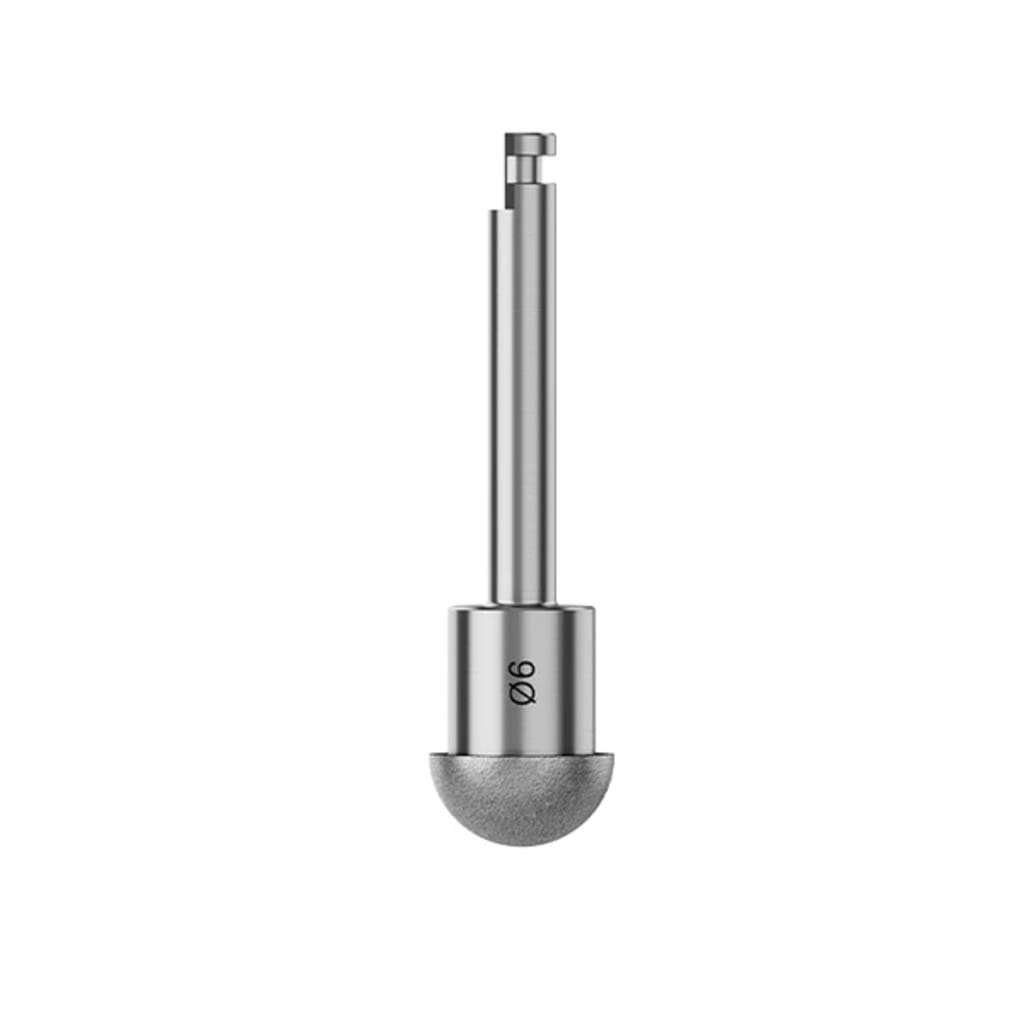
If you are a dentist, you are ready to transform a patient's life by implanting his/her teeth. Your abilities and your team’s abilities are pretty polished, and your tools and instruments are highly refined and reliable. Still, the instrument provides primary importance to the success of your procedure – the bone profiling drill. This underrated star of implantology is too often taken for granted, but without it, it is impossible to achieve the proper fit and retrieve a perfect result.
In today’s post, we will explore how bone profiling drills are not merely useful but are simply crucial to the implant specialist who wants to achieve the destination of success. Whether you’re a complete novice to implantology or a practising clinician who places many implants, prepare to learn something new that could revolutionize your practice!
Bone Profiling Drill as the name suggests is a type of drill that is used for various bone surgeries. But, to proceed with understanding the idea, let’s first define what a bone profiling drill is. It is a dental instrument being used to characterize the bone at the implantation site in terms of its form. This drill makes the surface very even and smooth and gives the implant the exact needed dimensions to fit the area where it is placed.
The Importance of Proper Bone Profiling
Perfect Implant Fit Bone profiling drills ensure that the implant sits with the surrounding bone. This perfect fit is crucial for several reasons:
It prevents gaps where bacteria can grow
It ensures even distribution of pressure when biting
It helps the implant integrate better with the bone
Improved Aesthetics: A well-fitted implant looks more natural. By using a bone profiling drill, dentists can create a seamless transition between the implant and the gum line. This results in a more attractive smile for the patient.
Better Long-term Outcomes: When an implant fits well, it's more likely to last longer. Proper bone profiling reduces the risk of implant failure and the need for future corrections.
How Bone Profiling Drills Work
Bone profiling drills come in different shapes and sizes to match various implant systems. They typically have these features:
A guide pin that fits into the implant site
Cutting blades that shape the bone
A depth stop to prevent over-drilling
It is performed post-preparation of the implant site but before the implantation of the implant. It refines the surface of the bone and eradicates bizarre structures to make the best implant bed.
Advantages of Using Bone Profiling Drills
Precision: These drills allow for very precise shaping of the bone. This precision is key to achieving a perfect implant fit.
Time-Saving: While it might seem like an extra step, using a bone profiling drill can actually save time in the long run. It reduces the need for adjustments later and can prevent complications that would require additional procedures.
Versatility: Bone profiling drills can be used in various situations, including:
Standard implant placements
Immediate implant placements
Cases with uneven bone levels
Improved Healing: A well-profiled implant site promotes better healing. It also enables the provision of blood supply to the region and also helps in reducing pressure on the tissues within the region.
Challenges and Considerations
While bone profiling drills offer many benefits, there are some things to keep in mind:
Learning Curve: Like any specialized tool, there's a learning curve to using bone profiling drills effectively. Proper training and practice are essential.
Risk of Over-Drilling: If not used carefully, these drills can remove too much bone. It's crucial to use the correct size and to pay attention to the depth stop.
Not Always Necessary: In some cases, particularly where bone quality is excellent and the implant site is very even, bone profiling may not be needed.
Patient Education and Consent
Although bone profiling drills are a technical element in implantology, one has to be careful not to underestimate the patient’s part. Increasing patients’ knowledge of the method and using bone profiling may allow for improving the results and patient satisfaction.
Education for patients must be made to understand why bone profiling has to be done. Use simple language to describe how it helps create a better fit for their implant. You might say something like, "We use a special tool to smooth out the bone, kind of like sanding a piece of wood before painting it. This helps your new tooth fit perfectly."
Addressing Concerns: Some patients might worry about additional drilling. Reassure them that bone profiling is a precise, controlled process that helps reduce complications. Explain that it's a standard part of many successful implant procedures.
Discussing Benefits: Help patients understand the long-term benefits of proper bone profiling. These include:
A more natural-looking smile
Better chewing function
Reduced risk of implant failure
Potentially longer-lasting results
Informed Consent: Include information about bone profiling in your informed consent process. This ensures patients are fully aware of all aspects of their treatment.
Post-Procedure: Care Educate patients on what to expect after the procedure. While bone profiling itself doesn't typically require special care, patients should understand the overall implant healing process.
By involving patients in understanding the importance of bone profiling, you not only improve their experience but also highlight your commitment to using advanced techniques for the best possible outcomes.
Best Practices for Using Bone Profiling Drills
To get the most out of bone profiling drills, follow these tips:
Choose the Right Size Make sure the drill matches the size and shape of the implant you're using.
Use Proper Technique Apply gentle pressure and use a slow speed to avoid overheating the bone.
Irrigate Well Good irrigation is crucial to prevent bone damage from heat.
Check Your Work After profiling, inspect the site carefully to ensure it's smooth and even.
The Future of Bone Profiling in Implantology
As dental technology advances, we're seeing exciting developments in bone profiling:
Computer-Guided Profiling Some systems now offer computer-guided drilling for even more precise results.
Combination Tools New tools are being developed that combine bone profiling with other functions, streamlining the implant process.
New Material Development in material engineering is seeing better metallurgy that allows for stronger and longer-lasting drill bits for use on bones.
Conclusion
While bone profiling drills can hardly be regarded as glamorous instruments in the dentist’s analogous arsenal, they are among the most effective tools for implantology. Thus, these specialized drills provide better aesthetic outcomes, faster healing and longevity of the implant by giving a perfect match to the implant with the host bone.
For any implant specialist who wants to reach for the stars, one must learn the handling of bone profiling drills. It can go a long way to improve both the quality of the work you turn out and the level of satisfaction of your patients.
Do not forget that in the sphere of dental implants, much depends on nuances. But as for achieving the most suitable conditions for an implant placement, the bone profiling drill is your key. The next time you’re planning an implant procedure, spare an extra moment for this unsung star of implantology.
About the Creator
Currish Diane
Currish Diane is a product manager at Universal Shapers which is one of the leading establishments of Surgical Bur Kit in the USA.
Enjoyed the story? Support the Creator.
Subscribe for free to receive all their stories in your feed.
Comments
There are no comments for this story
Be the first to respond and start the conversation.