
Why Audio To Text Accuracy Collapses In Fast Conversational Recordings
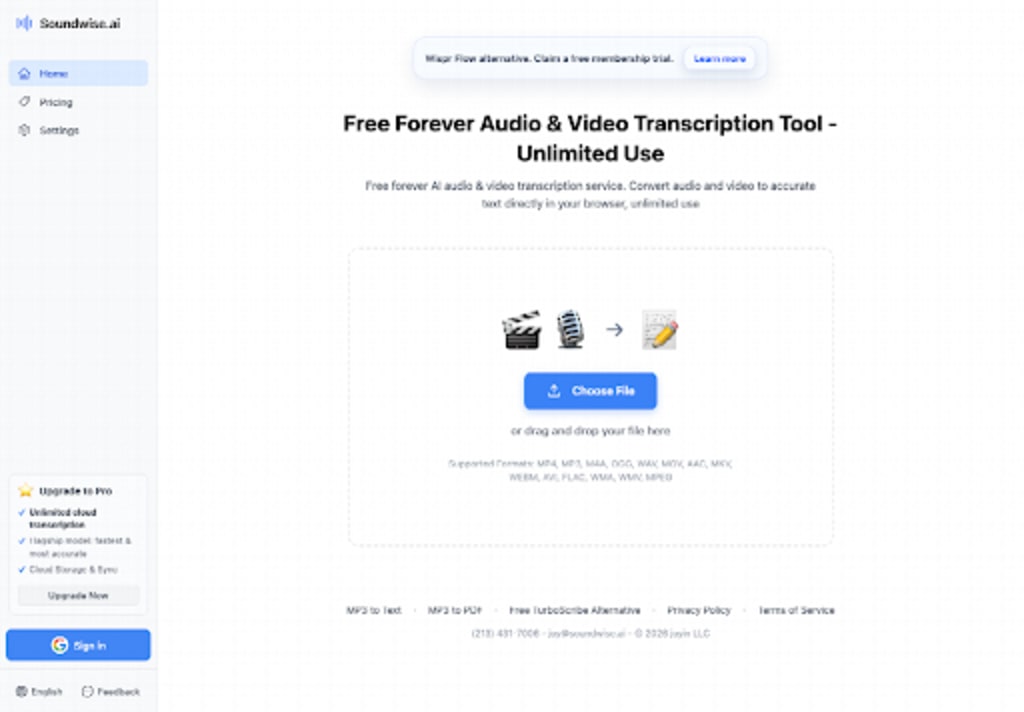
A roundtable that sounded clear in the room can come back as a transcript the desk cannot follow. Editors still run Audio to text and then sit with the file, because the hard part starts after the first draft.

A roundtable that sounded clear in the room can come back as a transcript the desk cannot follow. Editors still run Audio to text and then sit with the file, because the hard part starts after the first draft.
Soundwise puts the accuracy figure at up to 99.8% for clear audio. That figure fits a lecture with one voice, a pause at the end of a clause, and a room quiet enough that the consonants survive. A three-person argument, with people cutting across one another and repairing a sentence in the middle, is another recording, and the percentage stays with the clear take.
The damage rarely arrives as a broken paragraph. A surname lands on the wrong guest, two voices that shared a second become one tidy sentence, and someone spends the afternoon matching lines back to the recording. That afternoon is the rework a fast exchange hides until the text has to be published.
What A Speech System Assumes During A Solo Take
A solo recording gives the words an easy path. One person holds the floor, the pitch stays in a narrow band, and the next word is often the word a written sentence would have chosen anyway. The transcript can be flat and still be faithful, because the speaker already finished the thought before starting another. A lecture, or a statement read from notes, leaves that pause in the recording, and people talking across one another usually talk through it.
They begin an answer before the question has landed, or they laugh through the last syllable of a name, then drop a clause and pick it up in different words without saying that a repair happened. A person in the room follows this with faces and with the small change in pitch that marks a second voice. The transcript has the sound, and then a line of words. When those words were chosen because they were likely, rather than because a particular person finished a particular thought, the page reads cleanly and is still wrong.
A handling question often gets folded into the accuracy question, and the two should stay apart. Soundwise processes the audio on the device, and the file stays off its servers. A reporter with an interview that is not public yet, or a student who would rather keep a seminar recording on the machine, has a practical reason to work that way. That settles where the file stayed. Sorting out who spoke in a shared second is still ahead, and a fast conversation is full of those seconds.
A phone memo and a video file can enter the same pass. MP3, WAV, M4A, and FLAC are ordinary audio, and MP4 or MOV arrives as picture with a soundtrack attached. Once the words are on the page, the editor is back to hearing the seconds where people would not wait their turn.
Two Failures That Show Up Before The Punctuation
The failures that cost time happen before anyone argues about a comma, while a line is still being given to a person and a word is still being chosen. Straighten the commas on a sentence that belongs to the wrong speaker, and the piece gets smoother without getting any truer.
Overlap That Glues Two Voices Into One Line
Overlap is normal in a group that already knows how to talk. Someone agrees in the middle of a sentence, and someone else starts the objection on the last few words. In the room the pitches differ and the faces show who yielded, so the pile-up is easy to follow. On a single mixed track those pitches occupy one stretch of sound. A transcript that has to emit one line will often keep the louder voice and borrow a few words from the other, or run both together as if one person had said the whole thing.
What comes out is a sentence a reader can parse, which is why it survives a skim. A line such as "we should hold the launch until the sample comes back, and I already told the client Friday" can be two people, a caution and a confession, spoken on top of each other. Printed under one name, it becomes a contradiction inside a single mouth. An editor who was not in the room cannot split that line by grammar. The check is to play that second again and mark where the first voice actually stopped, while the text is still a draft.
A Familiar Word Standing In For A Name
Names and in-house terms lose to ordinary words that share their shape. A surname said once, quickly, at the front of a reply, is a likely place for the swap. If the ending was soft, or if the room took the consonant, Chen can come back as check or then, and a street name or a course code goes the same way. The sentence stays grammatical, so nothing on the page looks wounded. The trouble shows up when someone searches the transcript for the name that was spoken and cannot find it, because the claim now sits under a different word and sometimes under a different person. In an interview that will be quoted, that is the wrong speaker on the record, and fast talk is where a desk should expect the swap.
How A Desk Checks The Turns Before The Sentences
The useful order is the reverse of a normal copy edit. Commas, repeated words, and a small spoken repair can wait. The first review runs over the moments when the voice changes, because a wrong turn spoils every sentence that hangs from it.
Hear The Handoff Before Touching The Words
Start a few seconds before each change of speaker, rather than at the top of the document. If the break is late, or if a short interjection was swallowed into the previous line, move the break before repairing any wording. Polish a sentence that still belongs to the wrong person and the mistake gets harder to see on the next read, because the line looks finished and a later pass will trust it. Finding that handoff after the piece has been laid out means the rework includes the layout as well as the words, so hearing it while the transcript is still a draft keeps the cost on a short stretch of playback.
Leave The Rough Words Until The Voices Hold
False starts are irritating, and they are also evidence. A speaker who drops a clause and begins again has marked, out loud, that the first attempt was not the claim. Delete those words before the voices are sorted, and the remaining sentence can look deliberate, while an overlap that sat beside the stumble turns into a smooth line.
The rough version can stay until the handoffs hold. After that, the cuts diverge for a reason: a caption line has to meet a moment on screen and has little room for a repair, while a quote in an article can keep one false start when it shows the person thinking. Making both cuts on an unsorted draft is how one glued sentence ends up in the captions and in the piece.
Room Noise And The Endings It Takes
Much of this audio is recorded in the room where the conversation happened, where a hard wall, a laptop fan, a chair, or a glass on the table only has to cover a consonant. Soft endings go first, the draft supplies a common word that fits the rhythm, and the line still looks like ordinary English.
Asking people to wait their turn, or moving a microphone closer before anyone speaks, will prevent some of that, and neither choice exists once the file is the only record. The draft will be steadier where one voice held the floor, and shakier where the room and a second voice arrived together. On the page the guessed word is plausible; against the recording it is a stand-in, and playing those seconds replaces it while the change is still a few words rather than a correction in print.
After The Check, The Transcript Still Splits
Soundwise can return the draft as TXT, DOCX, or PDF, and as SRT or VTT when the same talk needs captions, or the words can be copied to the clipboard. A caption has to fit a moment on screen, and a quote in a piece has to stand with no audio under it, so an export made before the voices are sorted carries the unsorted version into both places.
Leave the export until those piled-up seconds have been heard and the spoken names are back in the lines, so the caption file and the published quote come from one conversation rather than from whichever download was easiest to paste.
About the Creator
Enjoyed the story? Support the Creator.
Subscribe for free to receive all their stories in your feed.
Comments
There are no comments for this story
Be the first to respond and start the conversation.