
Why 1,000+ Founders Are Gathering in Boston to Learn From Each Other Instead of Chasing VCs
As capital becomes scarcer and investor incentives misalign with founder survival, peer-to-peer learning networks are filling the gap that traditional startup advice left open


The startup funding environment has shifted dramatically since 2021. Capital is tighter. Valuations are more realistic. The founder-friendly era of "move fast and break things" funding has given way to something harder: actually building sustainable businesses with real unit economics.
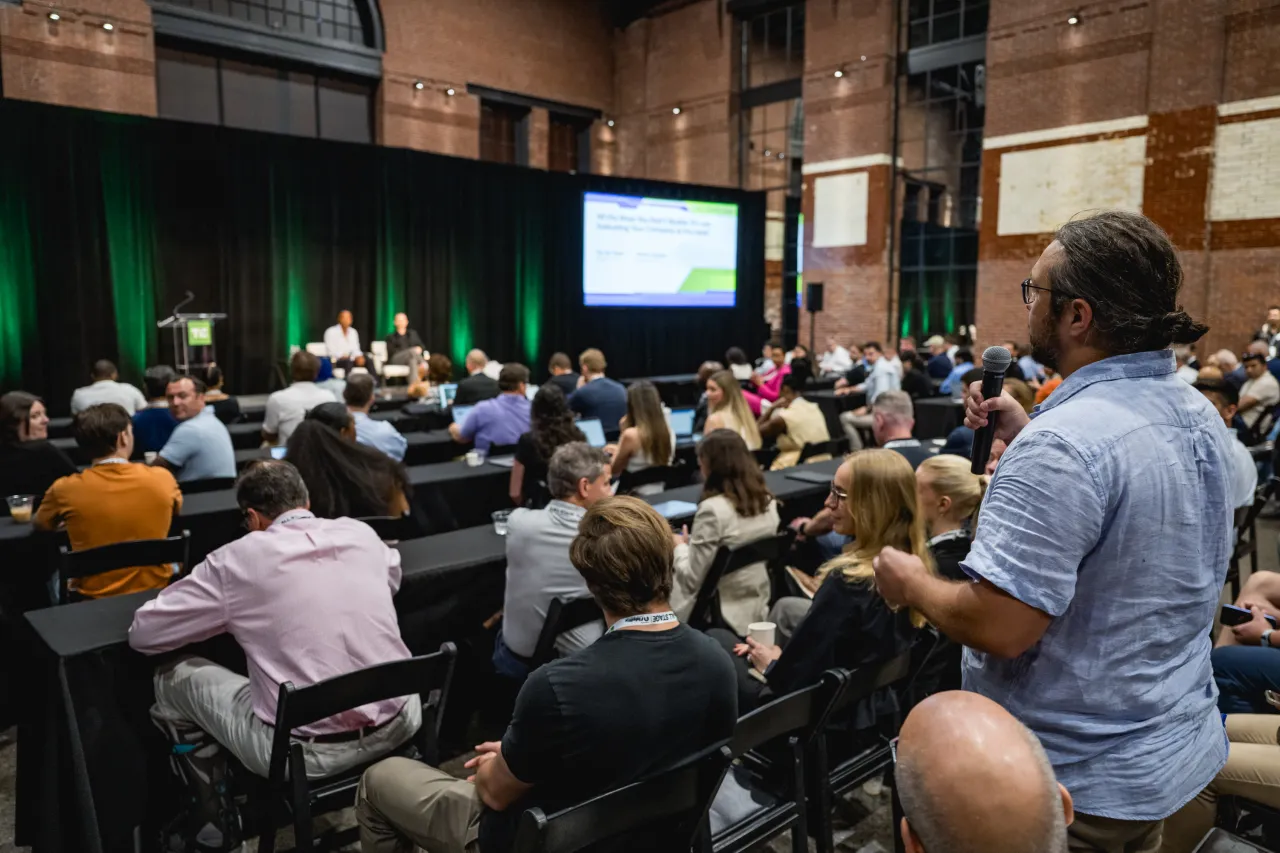
Against this backdrop, the TechCrunch Founder Summit 2026, happening on November 4 in Boston, represents something worth paying attention to: over 1,000 founders and investors gathering specifically for peer learning rather than pitching or fundraising. It's a subtle but meaningful signal about where founder conversations are actually happening in 2026.
The Peer-to-Peer Shift
For decades, the founder journey followed a recognizable script: bootstrap → pitch angels → Series A → follow-on rounds → exit or IPO. Success meant navigating the venture capital gauntlet, with founder communities mostly happening as byproducts of informal dinners, random encounters at conferences, and occasionally useful off-the-record conversations.
What's changed is visibility. Founders no longer need to guess what their peers are facing. They can see it in real-time: other companies struggling with similar unit economics, founders at the same stage hiring or scaling, operators who've navigated the exact challenges they're facing right now.
The shift toward founder-focused conferences isn't about replacing VCs; it's about recognizing that VCs have inherent conflicts of interest. An investor wants exits. A founder wants survival and sustainable growth. Those aren't always the same goal.
What Founders Actually Want to Know in 2026
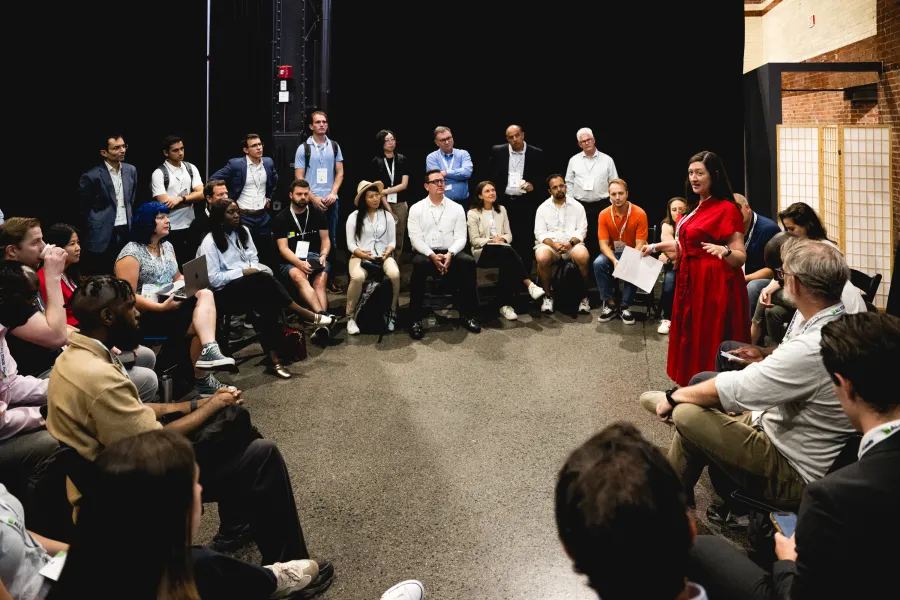
The topics announced for the 2026 summit are revealing: Series A preparation. Building pitch decks that resonate. Series C strategy. Reaching $10 million ARR. When to sell. How to prepare for IPO.
Notice what's absent: "How to get unfair advantage through growth hacking." "Move fast and break things." The Silicon Valley playbook of the late 2010s.
What founders want to know now is: How do I reach profitability? What does healthy growth look like? When am I ready for the next stage? When should I actually stop and exit before I run out of money?
These are survivor questions, not hype questions. They suggest a founder cohort that's moved past the "unicorn or bust" mentality and settled into the harder work of building real, lasting businesses.
The Investor Perspective Has Shifted Too
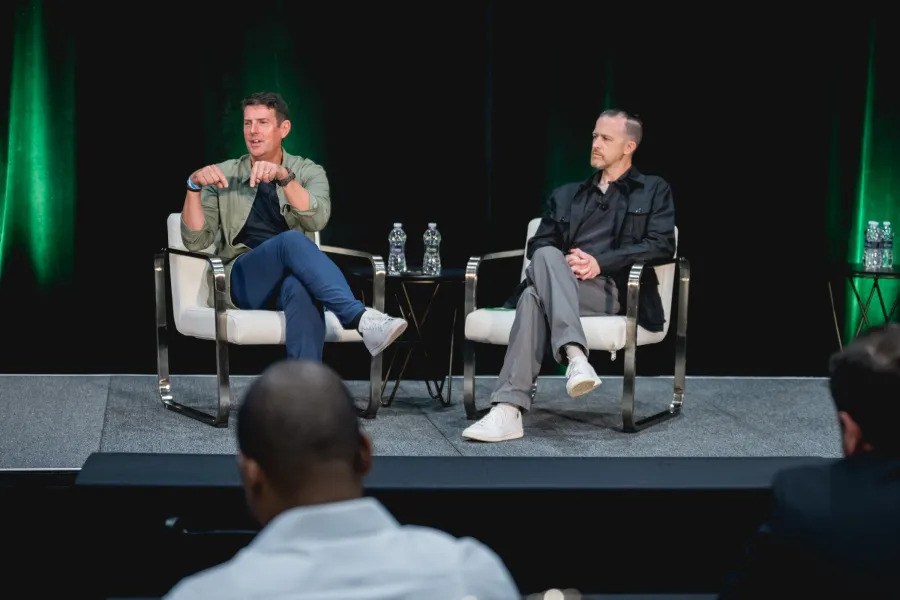
Previous speakers at Founder Summit have included partners from Sapphire Ventures, Index Ventures, Sequoia Capital, Greylock, and NFX. These aren't fringe investors, they're major players in the ecosystem.
What's significant is that they're showing up at a founder conference at all. If the traditional VC model were still working perfectly, investors would have no incentive to educate founders about what they're looking for. The fact that they're being transparent, sharing what they actually want to see in Series C companies, what founders should focus on instead of total addressable market size, suggests a maturing market where information asymmetry has started to shrivel.
Cathy Gao from Sapphire Ventures discussing "what founders need to prepare for Series C" is useful intelligence. Jahanvi Sardana from Index Ventures, pushing back on TAM obsession, suggests the VC world is collectively stepping back from some of the incentive structures that created misalignment.
Why This Matters in 2026
The broader context: Startup formation is slowing. Capital availability is tightening. The companies that survive are the ones with founder conviction, sustainable unit economics, and realistic expectations about growth timelines.
Peer learning networks become more valuable in this environment because they're honest. A founder at a similar stage facing a similar problem has no incentive to sell you on hype. An investor sharing hard-won lessons about Series C preparation is providing a valuable signal without the need to convince you to raise money with them specifically.
The conference model also democratizes access. For a founder in secondary cities or in regions like Southeast Asia, getting time with experienced operators has traditionally required either moving to Silicon Valley or having a network connection. A conference structure where sessions are announced, founders can pitch to speak, and the agenda is collectively shaped means geographic arbitrage starts to disappear.
The Practical Reality
Early Bird pricing ends June 26 at 11:59 p.m. PT. Groups of four or more get 30% off. The conference is on November 4 in Boston.
For founders: this is probably worth the time and money if you're in a growth stage where peer advice actually translates to action. If you're still in the pre-product stage, the value is lower. If you're already raising Series B or later, you probably have investor access and operator mentorship. The sweet spot is Series A → Series C, when you're navigating growth but still learning what you don't know.
For investors: this is a place to find good founders before they're on everyone's radar. The peer network effect works in both directions.
What's interesting about Founder Summit isn't that it exists; founder conferences have existed for years. What's interesting is that it's grown from a fringe event to a 1,000+ person gathering, and that the agenda has shifted from "how to pitch" to "how to actually build and scale."
That suggests something real has changed in the founder's mindset. The question isn't "how do I get to unicorn status fastest" anymore. It's "how do I build something sustainable that actually matters."
For a market saturated with hype and accelerationism, that shift is worth paying attention to. The founders gathering in Boston in November aren't looking for shortcuts. They're looking for real advice from people who've done the hard work before them.
That's a conversation worth listening to, especially if you're the one trying to do the hard work next.
About the Creator
Mark Lim
Hi I am mark an automotive student and a car, tech and food enthusiast ! Im gonna try and post daily & hope you enjoy what I write and do share my page with people you know. I would gladly appreciate it! Cheers
Enjoyed the story? Support the Creator.
Subscribe for free to receive all their stories in your feed.
Comments
There are no comments for this story
Be the first to respond and start the conversation.