
What to Check Before Trusting a VPN on Public Wi-Fi?
Public Wi-Fi
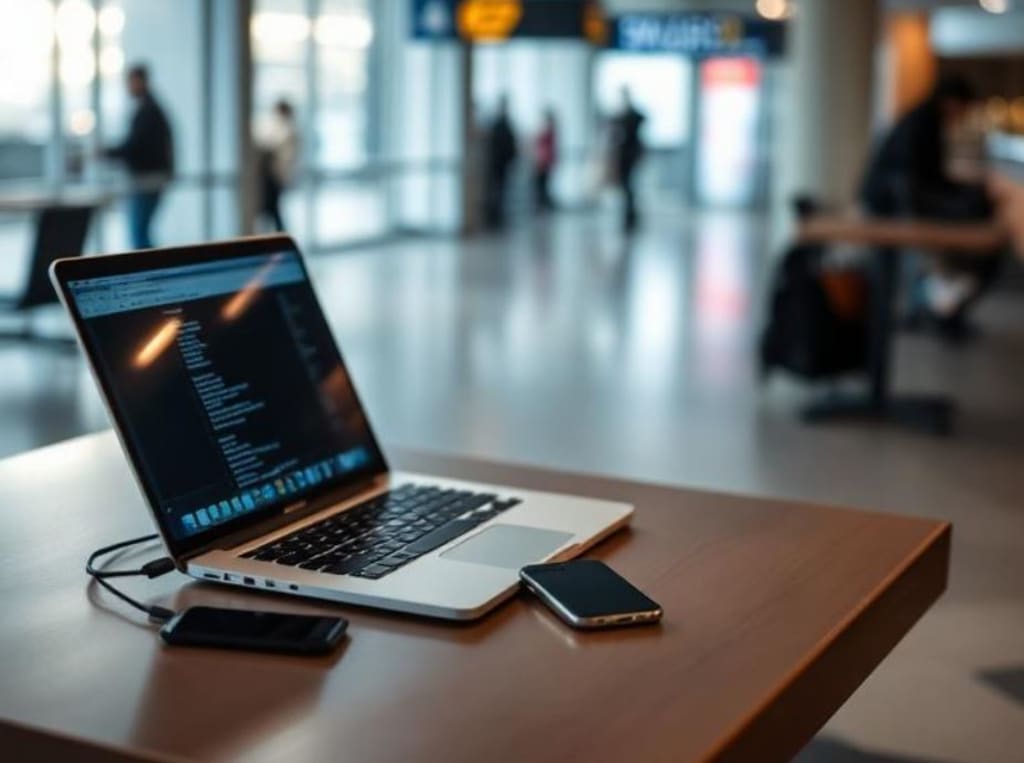
Public Wi-Fi is now part of everyday life. People connect in airports, hotels, cafés, libraries, coworking spaces, and transit hubs because it is convenient and easy to access. For travelers and remote workers, it often feels essential. However, convenience should not replace careful decision-making, especially when using networks you do not control.
Public networks are not automatically unsafe, but they do create a different environment than a private home connection. When users log into accounts, access work documents, check personal messages, or handle financial tasks on shared networks, the standard for trust should be higher. This is why many people turn to VPN services. Still, choosing any VPN without proper evaluation can create a false sense of security.
Why Trust Matters More Than Marketing
Many users choose a VPN based on surface-level promises. Words like secure, private, anonymous, or protected are common in marketing. While these phrases may sound reassuring, they do not always explain how the service actually works.
The better approach is to look beyond slogans and focus on what the provider clearly explains in public. Trust should come from transparency, not just branding.
Before using a VPN on public Wi-Fi, it helps to ask a few practical questions.
1. Does the Provider Clearly Explain Its Privacy Practices?
A trustworthy service should explain what information it collects, what it does not collect, and how user data is handled. Clear privacy language gives users something meaningful to evaluate.
For example, a provider that publishes a detailed no-logs page offers more value than one that only uses broad promises. Specific explanations about browsing activity, connection data, IP addresses, or account records help users understand what privacy means in practice.
When policies are vague or overly simplified, users are left guessing. Clear documentation is a stronger sign of accountability.
2. Does the Company Explain Its Technology?
Privacy claims become more credible when they are supported by technical details. Users do not need to be experts, but they should be able to understand the basic systems behind the service.
Some providers explain how their servers are configured, how data is stored, and what happens when systems restart or update. Others share information about server locations, network scale, or security architecture.
This type of explanation matters because it shows the provider is willing to connect its promises with real infrastructure. It moves the conversation from advertising language to something more practical and verifiable.
3. Is There Evidence of Ongoing Transparency?
Trust is stronger when it is supported over time. One useful sign is whether the company shares regular public updates about requests, policies, or operational practices.
A published transparency report can help users understand how the provider responds to legal requests, policy changes, or security-related matters. It also shows whether the company is prepared to discuss accountability openly rather than asking users for blind trust.
No report can answer every question, but openness is usually a positive signal.
Why These Checks Matter on Public Networks
Public Wi-Fi increases uncertainty because users often know very little about the network itself. They may not know who manages it, how it is maintained, or whether proper protections are in place.
That uncertainty does not mean every connection is dangerous. It means users should be more selective about the tools they rely on while connected. In these situations, choosing a VPN based only on popularity, design, or advertising claims may not be enough.
A better decision comes from understanding how the provider communicates privacy, explains its systems, and demonstrates transparency.
Public Wi-Fi Risks Are Often Ordinary
Many people imagine public Wi-Fi risks as dramatic cyber incidents. In reality, the more common issue is routine overconfidence. A familiar hotel login page, a café password written on a wall, or a trusted-looking airport portal can make users feel safe without much evidence.
Because the network feels normal, people may become less cautious. They may log into sensitive accounts or share information without thinking carefully about the environment they are using.
This is why thoughtful habits matter more than fear. Awareness and evaluation are often more useful than panic.
A Better Standard for Choosing a VPN
If you plan to rely on a VPN while traveling or using shared networks, focus on providers that communicate clearly. Look for understandable privacy policies, useful technical explanations, and visible signs of accountability.
These factors make it easier to judge whether the service deserves your trust.
A strong VPN decision should not come from catchy phrases alone. It should come from the quality of information a company is willing to share.
Final Thoughts
Public Wi-Fi is useful and often unavoidable, but it deserves a more careful mindset. A VPN can be part of safer browsing habits, yet not every service offers the same level of trustworthiness.
The smartest approach is simple: do not trust a VPN only because it says the right words. Trust it when the company provides clear information, supports its claims, and helps users make informed decisions.
About the Creator
Julia J
I'm Julia, an SEO expert specializing in link building strategies that deliver results. With a proven track record of enhancing online visibility and driving organic traffic, I tailor campaigns to elevate your site's search engine ranking.
Enjoyed the story? Support the Creator.
Subscribe for free to receive all their stories in your feed.
Comments
There are no comments for this story
Be the first to respond and start the conversation.