
What’s Driving the Price of Double Girder Overhead Cranes in 2024?
Key Factors Influencing Double Girder Overhead Crane Prices in 2024

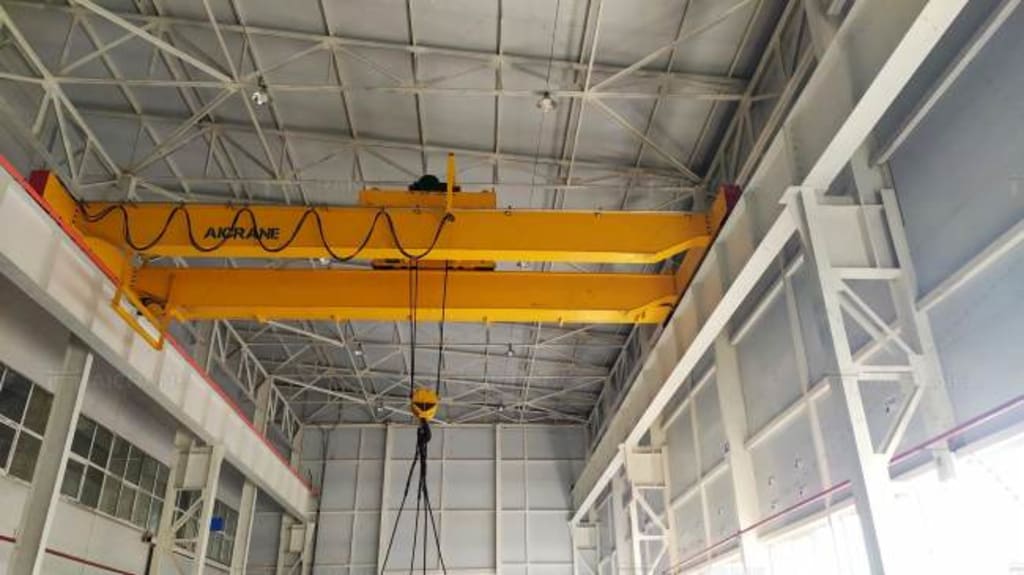
Double girder overhead cranes are essential pieces of equipment in many industries, from manufacturing and construction to logistics and heavy lifting. These cranes are prized for their ability to handle heavy loads, provide increased stability, and offer greater flexibility in terms of lifting capacity and span. However, as with any substantial industrial investment, the double girder overhead crane price is a critical factor that businesses must consider.
In 2024, several key factors are driving the price of double girder overhead cranes, ranging from material costs and technological advancements to market demand and economic conditions. This article explores these factors in detail, providing insight into what businesses can expect when budgeting for these cranes.
Rising Material Costs
One of the most significant factors influencing the price of double girder overhead cranes in 2024 is the cost of raw materials. Steel, which is the primary material used in the construction of these cranes, has seen fluctuating prices due to global supply chain disruptions, inflation, and increased demand across various industries.
The cost of steel is heavily influenced by factors such as mining and production costs, transportation logistics, and geopolitical events. For example, supply chain bottlenecks and tariffs imposed on steel imports can drive up prices, directly impacting the cost of manufacturing double girder overhead cranes. Additionally, the push for greener and more sustainable production methods has led to investments in eco-friendly steel production, which can also contribute to higher material costs.
Moreover, other materials used in crane manufacturing, such as electrical components, motors, and control systems, have also experienced price increases due to semiconductor shortages and rising energy costs. These materials are crucial for the functionality of double girder overhead cranes, and any increase in their costs is inevitably reflected in the final price of the crane.
Technological Advancements
The integration of advanced technologies in double girder overhead cranes is another significant factor driving prices in 2024. Modern cranes are increasingly equipped with smart features such as automated controls, remote monitoring, and IoT (Internet of Things) connectivity, which enhance their efficiency, safety, and ease of operation.
These technological upgrades, while offering substantial benefits, also come with higher costs. The development, implementation, and maintenance of these advanced systems require significant investment from crane manufacturers, which is then passed on to the end-users. For instance, cranes with advanced automation and AI capabilities allow for precise load handling, predictive maintenance, and real-time data analytics, all of which contribute to improved operational efficiency. However, these features also increase the initial purchase price.
Furthermore, the demand for electric overhead cranes with enhanced safety features, such as anti-collision systems, load sway control, and emergency stop functions, has risen due to stricter safety regulations and the need to minimize workplace accidents. These safety systems are often powered by cutting-edge technology, further contributing to the overall cost of double girder overhead cranes.
Customization and Specialization
In 2024, the trend towards customization and specialization in double girder overhead cranes is another factor driving up prices. Businesses are increasingly seeking cranes that are tailored to their specific operational needs, whether that involves unique lifting capacities, specialized attachments, or custom spans and heights.
Customization requires additional design, engineering, and testing efforts, all of which add to the cost of the crane. For example, a business operating in a harsh environment, such as a foundry or a chemical plant, may require a crane with special coatings or materials that resist corrosion and wear. Similarly, industries requiring precision lifting, such as aerospace or energy, might need cranes with enhanced stability and accuracy features. These tailored solutions, while essential for certain applications, naturally come at a higher price compared to standard models.
Moreover, the integration of specific industry certifications and compliance with regulatory standards can also add to the cost. For instance, cranes designed for explosive environments (ATEX-rated) or those needing adherence to stringent safety standards must undergo additional testing and certification processes, which increase both production time and costs.
Labor and Manufacturing Costs
The cost of labor and manufacturing is another critical factor impacting the price of double girder overhead cranes in 2024. As wages and labor costs rise, particularly in regions with high demand for skilled workers, the cost of manufacturing these complex machines increases.
The production of double girder overhead cranes involves various stages, including design, fabrication, assembly, and testing, all of which require skilled labor. The shortage of skilled workers in certain manufacturing sectors has led to increased wages, which directly affects the final price of the cranes.
Additionally, energy costs, which are a significant component of manufacturing expenses, have also risen due to global energy price volatility. The energy-intensive processes involved in crane production, such as welding, machining, and testing, become more expensive when energy prices rise, further contributing to the overall cost.
Market Demand and Economic Conditions
Market demand and broader economic conditions also play a crucial role in determining the price of double girder overhead cranes. In 2024, the global economy is experiencing mixed signals, with some regions seeing robust industrial growth while others face economic slowdowns or recessions.
In regions with strong industrial activity, such as parts of Asia and North America, the demand for heavy lifting equipment like double girder overhead cranes remains high, which can drive prices upward. Conversely, in areas facing economic challenges, demand may soften, leading to more competitive pricing. However, even in slower markets, the need for modernization and the replacement of aging infrastructure often keeps demand relatively stable.
Inflation is another macroeconomic factor affecting crane prices. As inflation drives up the costs of materials, labor, and transportation, manufacturers are forced to increase their prices to maintain profitability. Additionally, fluctuations in currency exchange rates can impact the cost of imported materials and components, further influencing the final price of the cranes.
In 2024, the price of double girder overhead cranes is being driven by a complex interplay of factors, including rising material and labor costs, technological advancements, customization demands, and market dynamics. While these cranes represent a significant investment, their value in terms of efficiency, safety, and operational capability makes them an essential asset for many industries.
For businesses considering the purchase of a double girder overhead crane, understanding these price drivers is crucial for making informed decisions and budgeting effectively. By staying informed about market trends and working closely with reputable crane suppliers, businesses can find solutions that meet their needs while balancing cost considerations.
About the Creator
Aicrane Group
Aicrane is a professional fabrication and trade integration enterprise in Overhead Crane, Gantry Crane, Rubber Tire Gantry Crane, Boat Lift, Steel Structure Workshop, Construction Winch, Marine Winch,etc.
Enjoyed the story? Support the Creator.
Subscribe for free to receive all their stories in your feed.
Comments