
What Materials Are Commonly Used for Construction Hoarding in Canada?
Best Construction hoarding in Canada

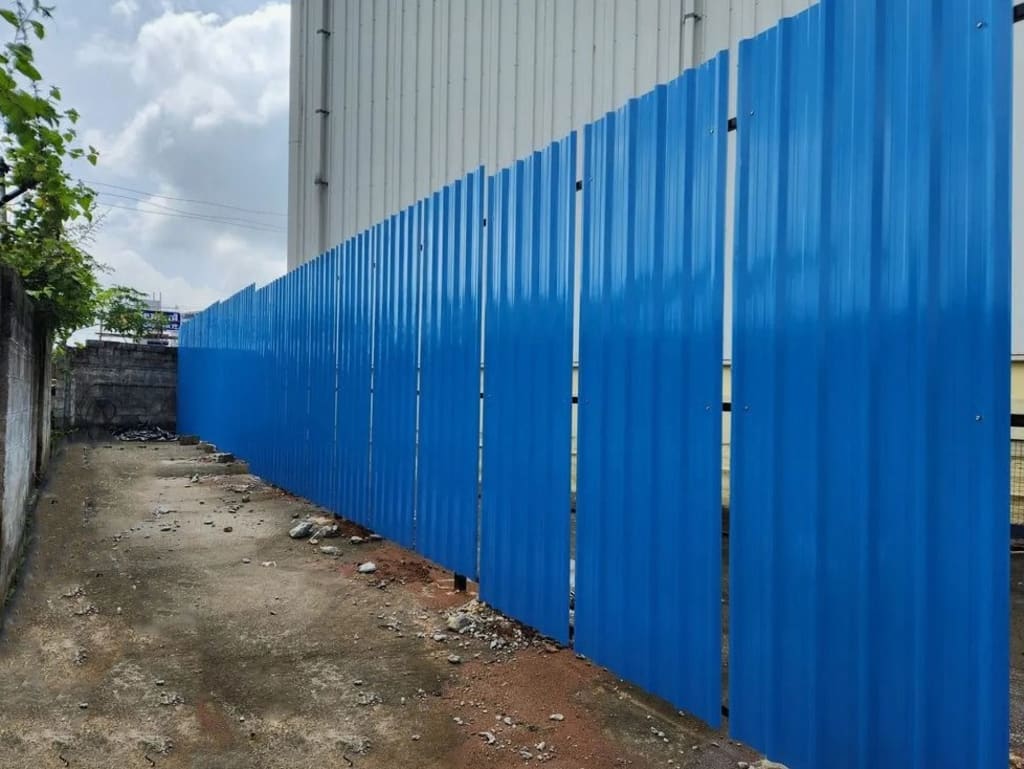
Construction hoarding is a temporary barrier used around building sites to ensure safety, security, and privacy. In Canada, different materials are chosen based on durability, cost, and local regulations. Understanding the common options helps contractors and developers select the best solution for their projects.
Plywood – A Traditional and Cost-Effective Choice
Plywood is one of the most widely used materials for construction hoarding in Canada. It is affordable, readily available, and easy to install. Builders often use treated plywood to withstand harsh weather conditions, including rain, snow, and wind.
One advantage of plywood is its strength, which helps prevent unauthorized access and protects pedestrians from construction debris. However, it requires regular maintenance to prevent warping or rotting over time. Many cities in Canada allow plywood hoarding but may require fire-resistant treatments to meet safety codes.
Metal Panels – Durable and Long-Lasting
Another popular material for construction hoarding is metal, typically aluminum or steel. Metal hoarding is highly durable and can last throughout long-term construction projects without significant wear. It is resistant to weather, vandalism, and fire, making it a secure option for urban sites.
Metal panels are often used in high-traffic areas where extra protection is needed. While more expensive than plywood, they can be reused on multiple projects, making them cost-effective in the long run. Some Canadian cities prefer metal hoarding for its sleek appearance and ability to support large advertising graphics.
Plastic and PVC – Lightweight and Versatile
Plastic hoarding, usually made from high-density polyethylene (HDPE) or PVC, is becoming more common in Canada. These materials are lightweight, easy to install, and resistant to moisture, making them ideal for short to medium-term projects.
A major benefit of plastic hoarding is its reusability—panels can be cleaned and stored for future use. They are also less prone to damage from impacts compared to plywood. However, plastic may not be as sturdy as metal in extreme weather, and some municipalities have restrictions on its use for fire safety reasons.
Fabric and Mesh Barriers – Temporary and Economical
For short-term projects or areas where visibility is needed, fabric and mesh barriers are sometimes used. These materials are lightweight, easy to transport, and quick to install. Mesh barriers allow airflow and visibility while still providing safety and debris containment.
Fabric hoarding is often used in combination with frames made of metal or wood. While not as secure as solid barriers, it is a budget-friendly option for low-risk sites. However, it is not suitable for long-term use or locations requiring high security.
Concrete Barriers – Heavy-Duty Protection
In some cases, precast concrete barriers are used for construction hoarding, especially in highway or large-scale infrastructure projects. These barriers provide maximum security and durability, preventing vehicle intrusion and withstanding extreme conditions.
Concrete hoarding is more expensive and difficult to install than other options, but it is essential for high-risk zones. It is commonly seen in major Canadian cities for large developments or roadwork where safety is a top priority.
Composite Materials – Modern and Sustainable Solutions
Newer composite materials, combining wood fibers and recycled plastics, are emerging as eco-friendly hoarding options. These materials offer the strength of wood with the weather resistance of plastic, making them suitable for Canadian climates.
Composite hoarding is more expensive upfront but can be a sustainable choice for companies focused on reducing environmental impact. Some Canadian construction firms are adopting these materials to meet green building standards and corporate sustainability goals.
Conclusion
Construction hoarding in Canada is made from a variety of materials, each with its own advantages. Plywood remains a cost-effective choice, while metal offers durability and reusability. Plastic and PVC provide lightweight solutions, and fabric/mesh works for temporary needs. Concrete is used for heavy-duty protection, and composite materials are gaining popularity for sustainability.
The best material depends on project duration, location, budget, and local regulations. By understanding these options, contractors can select the most suitable hoarding to ensure safety, compliance, and efficiency on their construction sites.
About the Creator
Enjoyed the story? Support the Creator.
Subscribe for free to receive all their stories in your feed.
Comments
There are no comments for this story
Be the first to respond and start the conversation.