
What is the Difference Between Oriental Rug Restoration and Oriental Rug Repair?
Oriental Rug Repair
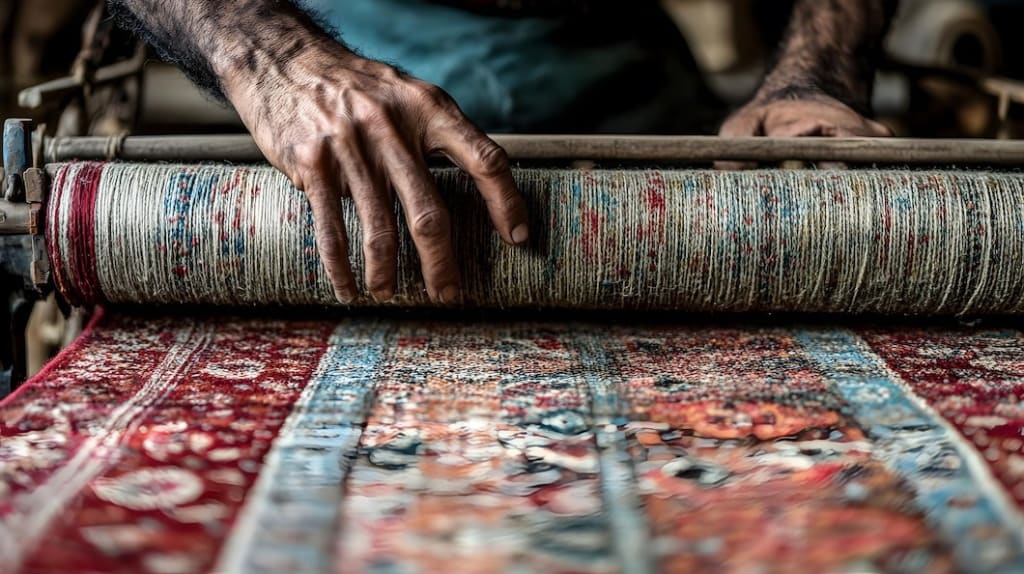
A valuable heirloom, Oriental rugs are beautiful works of art, much cherished through generations. The fact that they are covered in intricate and rich patterns, and that they have a history that adds to their overall value, stands out both financially and emotionally. But like everything else, they can also be damaged by simple use, or by being exposed to environmental factors.
When that happens, two of the most common terms that you might hear are "Oriental rug restoration" and "Oriental rug repair." Both, however, mean to restore beauty and usability of the rugs, but they are not one and the same and require different steps and processes.
Understanding Oriental Rug Repair
Oriental rug repair is the process of repairing specific parts of a rug that has been damaged, such as holes, tears, or frayed edges. It is generally a more direct and localized process that focuses on repairing the visible damage in order to have the rug still be used and be fashionable. The need for a rug repair often arises in the case of a non-extensive damage that does not compromise the overall structure of the rug.
Common Types of Oriental Rug Repair
Edge Repair: The edges of Oriental rugs often face wear and tear, especially in high-traffic areas. This can result in fraying or unraveling. Edge repair involves reweaving the rug's borders to prevent further damage.
Hole and Tear Repair: If a rug has a tear or hole, repair work can patch up the damaged area. This may involve reweaving the fibers or stitching the tear back together, making that the repair blends in with the rest of the rug.
Fringe Repair: The fringes of Oriental rugs are highly vulnerable to damage, whether from everyday use or mishandling. Repairing the fringes usually involves reattaching or replacing the threads, restoring the rug's appearance.
Weaving and Knotting: If the rug has lost some of its original knots or weaving due to heavy use, repairs are made by re-knotting or reweaving those sections to restore the pattern and texture.
When is Repair Needed?
- Minor damage such as small holes or frayed edges.
- Wear due to foot traffic or exposure to harsh conditions.
- Structural issues that affect specific areas without affecting the entire rug.
- Understanding Oriental Rug Restoration
Oriental rug restoration is a more detailed process that goes beyond repairing specific damage. It entails bringing a rug back to its perfect condition or, if not possible, as close to it as the original one used to be. Restoration often requires skilled craftsmen to restore the colors, patterns, texture, and structure of the carpet, which involves both the aesthetic and functional aspects.
Common Types of Oriental Rug Restoration
- Color Restoration: Over time, an Oriental rug's colors may fade due to exposure to sunlight, dirt, or chemical cleaners. Restoration specialists use dyes to carefully reintroduce the original colors, making sure that the rug’s design is vibrant and true to its original state.
- Reweaving and Reconstruction: When an Oriental rug sustains significant damage, such as large tears or sections being missing, restoration involves reweaving the rug. This can be a time-consuming and detailed process, as the specialist must recreate the original knotting techniques, weave patterns, and even the fibers used.
- Rebacking: For rugs with damaged backing, rebacking is often necessary. This process involves adding a new foundation to the rug, making sure that it maintains its shape and structure over time.
- Patching and Filling Gaps: For extensive damage, especially when large sections of the rug are missing, restoration may involve adding patches to fill the gaps. This is done with careful attention to match the design and fibers of the original rug.
- Moth Damage Restoration: Moth infestation can cause significant damage to Oriental rugs, especially to the fibers. Restoration involves removing damaged fibers and replacing them with similar materials, reweaving and re-dyeing sections as necessary.
When is Restoration Needed?
- Extensive damage to the rug’s structure, color, or pattern.
- Rugs that have been passed down through generations and require full rejuvenation.
- Rugs that have suffered from neglect or poor storage conditions.
- When a rug has both functional and aesthetic damage.
Major Differences Between Rug Repair and Restoration
While both Oriental rug repair and restoration are to restore the rug to a usable and aesthetically pleasing condition, the scope, techniques, and level of expertise required for each process are highly different.
Scope of Work
- Repair: Focuses on fixing specific damage such as tears, holes, fraying edges, or loose fringes.
- Restoration: Involves more detailed work, including color restoration, reweaving large sections, and fixing both structural and aesthetic issues.
Complexity
- Repair: Repair work is mostly straightforward and can often be done without altering the rug’s original design or structure.
- Restoration: Restoration is a more detailed and complex process that involve recreating original patterns, reintroducing colors, or even reconstructing parts of the rug to match its original state.
Duration
- Repair: Repair services are generally quicker, often completed in a matter of days or weeks, depending on the extent of damage.
- Restoration: Restoration can take significantly longer, ranging from several weeks to months, especially if the rug has suffered extensive damage.
Cost
- Repair: Since repair is a more localized and less extensive process, it tends to be more affordable.
- Restoration: Restoration is a time-consuming and detailed process, which often makes it more expensive than simple repairs.
What Should I Choose Between Repair and Restoration
It totally depends on the scope of the damage and the rug’s worth. Suppose the damage to your carpet is minor, the simple method of fixing the problem might work.However, if the carpet is very damaged and its looks and stability are compromised the best option is to restore it.
Oriental rug restoration and repair are both important services in terms of the preservation of these beautiful and valuable pieces of art. Repairing, on one hand, is limited to just the damaged spots while restoration is the restoration of the rug according to its original look.
If you’re going with repairing or the recovery process, you should ask for the experience of a professional to make the most of your carpet Repair service.
About the Creator
Enjoyed the story? Support the Creator.
Subscribe for free to receive all their stories in your feed.
Comments
There are no comments for this story
Be the first to respond and start the conversation.