
What Is a Fiber Laser Cutting Machine?
A fiber laser cutting machine is a type of industrial equipment that uses a powerful fiber laser beam to cut through various materials.
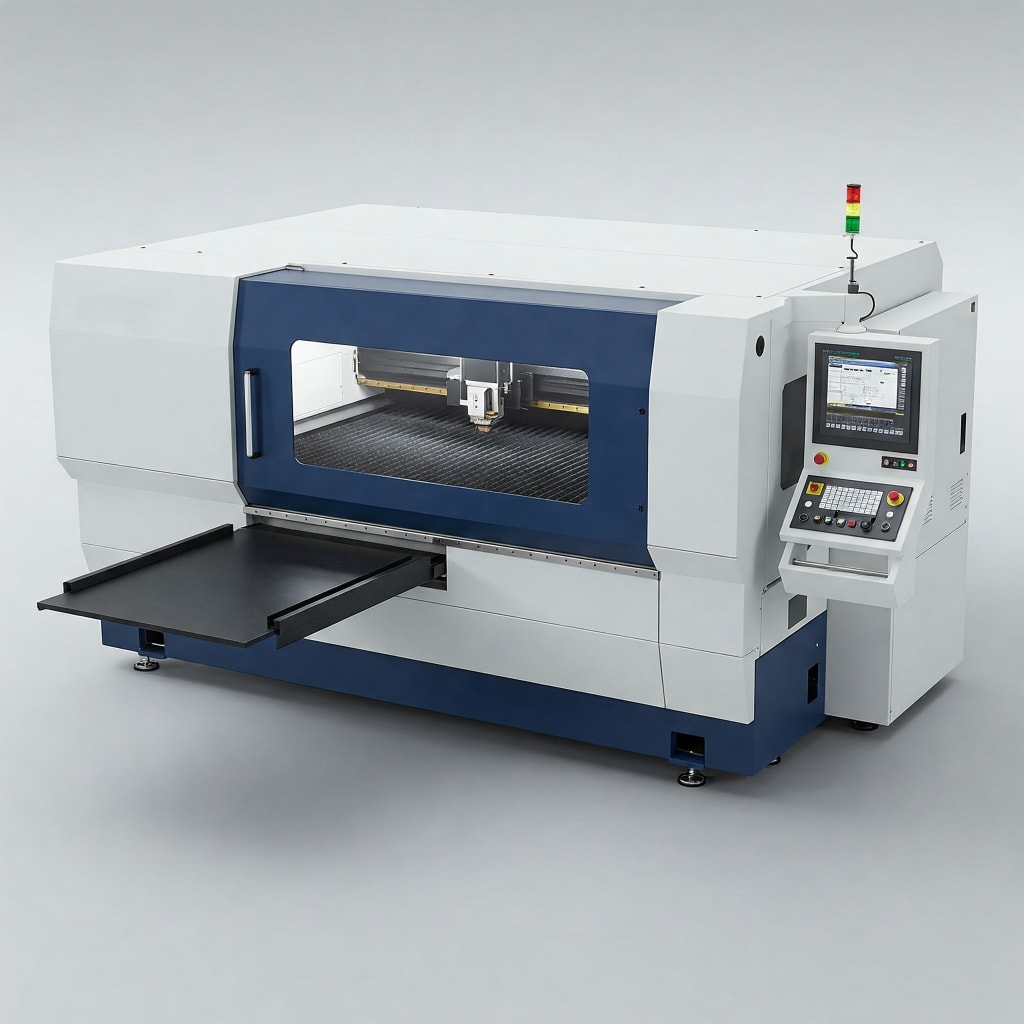
A fiber laser cutting machine is a type of industrial equipment that uses a powerful fiber laser beam to cut through various materials, particularly metals. Known for its precision, speed, and efficiency, this technology has transformed modern manufacturing and fabrication industries.
How It Works
At its core, a fiber laser cutting machine uses a fiber laser as the source of energy. This laser is generated by a process called “stimulated emission,” where light is amplified through optical fibers doped with rare-earth elements like erbium, ytterbium, or neodymium. The amplified light is then focused into a high-energy beam, which is directed onto the material using mirrors and lenses. The beam heats the material to the point of melting or vaporization, allowing it to be cleanly cut along the programmed path.
Unlike traditional CO₂ lasers, fiber lasers do not require mirrors to generate or deliver the laser beam. Instead, they use flexible fiber-optic cables, making them more compact and efficient. The wavelength of a fiber laser (typically around 1.06 microns) is also better absorbed by metals, allowing for faster and cleaner cuts with lower thermal distortion.
Key Features and Benefits
High Precision: Fiber lasers offer incredible cutting accuracy. They produce a small focus spot with high energy density, which results in fine, clean cuts with minimal burrs. This makes them ideal for producing intricate components and detailed engravings.
Speed and Efficiency: These machines cut through thin and medium-thickness metal sheets much faster than CO₂ lasers. This efficiency makes them ideal for high-volume production. Advanced CNC control systems and auto-focus features further enhance cutting speed and consistency.
Low Maintenance: Fiber laser systems have fewer moving parts and no mirrors, reducing maintenance costs and downtime. The laser source itself often has a lifespan of 100,000 hours or more, making it a long-lasting investment.
Energy Efficiency: Fiber lasers convert electrical energy into laser energy more efficiently than other types, consuming less power and lowering operational costs. This not only reduces electricity bills but also supports sustainable manufacturing practices.
Material Versatility: While best known for cutting metals like stainless steel, aluminum, brass, and carbon steel, fiber lasers can also process non-metallic materials such as plastics and composites, depending on the setup. With the right configurations, they can even be used for marking, engraving, and welding tasks.
Applications
Fiber laser cutting machines are widely used in industries such as:
Automotive: For cutting precise components like gears, panels, and brackets.
Aerospace: Where exact tolerances and high strength materials are common.
Electronics: For micro-cutting small parts in circuit boards and enclosures.
Construction and Metal Fabrication: For custom metalwork, signage, and structural parts.
Medical Devices: Where accuracy and clean edges are critical.
Jewelry and Artisanal Work: Due to their ability to handle fine detailing on precious metals.
Considerations When Choosing One
When selecting a fiber laser cutting machine, consider factors such as the power output (measured in watts), cutting bed size, software compatibility, and after-sales support. Higher wattage machines can cut thicker materials but also come at a higher cost. Additionally, look for features like automatic nozzle changers, dust extraction systems, and real-time monitoring, which can significantly improve workflow and safety.
Conclusion
A fiber laser cutting machine is a powerful tool that has significantly advanced the way manufacturers cut and shape materials. Its precision, speed, and cost-effectiveness make it an essential asset in modern industrial applications. Whether for small-scale production or heavy-duty manufacturing, fiber laser cutting offers unmatched performance, reliability, and adaptability across diverse production environments. As technology continues to evolve, we can expect even more innovations in laser cutting capabilities, making these machines even more indispensable across a growing range of industries and use cases.
About the Creator
Enjoyed the story? Support the Creator.
Subscribe for free to receive all their stories in your feed.
Comments
There are no comments for this story
Be the first to respond and start the conversation.