
What are Steel Angles and Channels?
Steel Angles and Channels

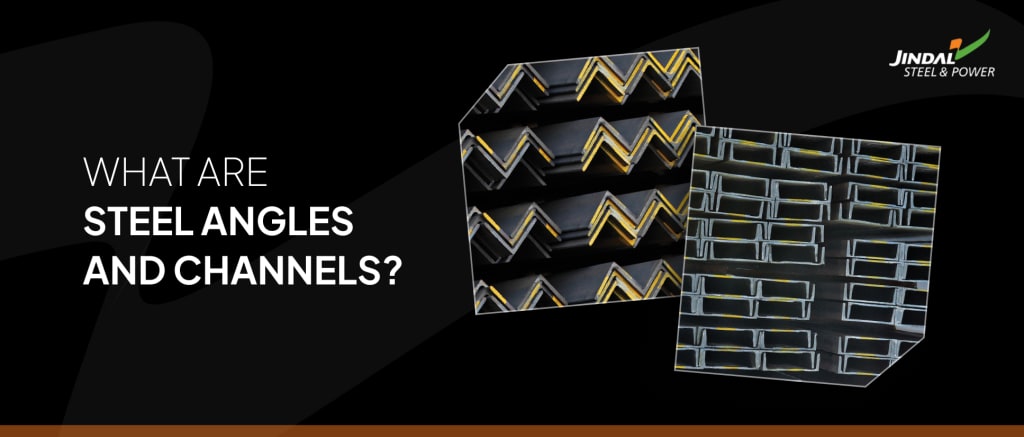
Steel angles and channels are foundational materials in construction and engineering. The durability and stability of a structure depend heavily on the quality of these components. Ensuring that steel angles and channels are in optimal condition is crucial for their performance. Let's explore the key characteristics and applications of steel angles and channels to help you make informed decisions for your construction projects.
Steel Angles: Key Features
Steel angles are composed of thin, long metal pieces that form right angles, creating a sturdy L-shaped structure. These angles have two legs that are perpendicular to each other, with the dimensions of these legs varying based on specific needs. Steel, stainless steel, and aluminum are commonly used to fabricate these angles, though steel angles are preferred in the construction industry for their strength and adaptability.
Key attributes of steel angles include:
Versatility: Their wide range of applications includes framing, bracing, and providing structural support.
Structural Integrity: The L-shape offers resistance to twisting and bending, making them an excellent choice for structural stability.
Ease of Fabrication: Steel angles are relatively easy to weld, cut, and drill, making them highly adaptable for different construction needs.
Steel Channels: Key Features
Steel channels are known for their strength and flexibility, featuring a C-shaped cross-section that resembles a gutter or channel. They are widely used in construction for providing support and load distribution.
Key features of steel channels include:
Elasticity: Steel channels offer structural support, often used in the frames of buildings and other structures.
Ease of Design: They are simple to work with when it comes to welding, cutting, and installing.
Robust Load Support: The C-shape is ideal for efficiently distributing heavy loads, making steel channels perfect for use in high-load areas.
Common Applications
Steel Angles:
Bracing: Steel angles are often used to add stability to structures and prevent unwanted movement.
Support: They provide critical support to beams, columns, and building frameworks.
Other Uses: Steel angles are also utilized in machinery bases, shelving units, and a variety of other structural applications.
Steel Channels:
Structural Support: Steel channels are used in roofs, floors, and other heavy elements in construction.
Railing and Guardrails: Their strength and durability make them suitable for use in railings and guardrails in commercial and industrial settings.
Large Structures: Steel channels are frequently used to construct bridges, building frames, and other large structures.
Primary Differences Between Steel Angles and Channels
The key distinction between steel angles and channels lies in their cross-section shape and load distribution capabilities.
Steel Angles: With their L-shaped cross-section, steel angles are ideal for corner connections and applications requiring stability in multiple directions.
Steel Channels: The C-shaped cross-section of steel channels allows for better distribution of horizontal loads, making them suitable for applications where load-sharing over a larger surface area is necessary.
Conclusion
Steel angles and channels are indispensable in construction and engineering projects. By understanding the properties and differences between these components, you can make better decisions regarding which material is most suitable for your needs. Whether you're building a support structure or framing a building, choosing the right steel component is essential for ensuring long-term strength and performance.
About the Creator
Jindal Jspl
JSPL Structurals specializes in providing a wide range of structural steel products designed for durability and versatility. They offer products like Parallel Flange Beams and Columns, focusing on efficient design and strength.
Enjoyed the story? Support the Creator.
Subscribe for free to receive all their stories in your feed.
Comments
There are no comments for this story
Be the first to respond and start the conversation.