
Valor Equity Partners Distributes $8.5 Billion in SpaceX Stock to Investors, Signaling a New Era of Private Market Liquidity and Tax Strategy
In an unprecedented move that redefines how venture capital firms manage massive IPO windfalls, Antonio Gracias’ firm is transferring shares directly to limited partners rather than selling them, preserving market stability while unlocking significant tax advantages for investors in the post-IPO landscape.

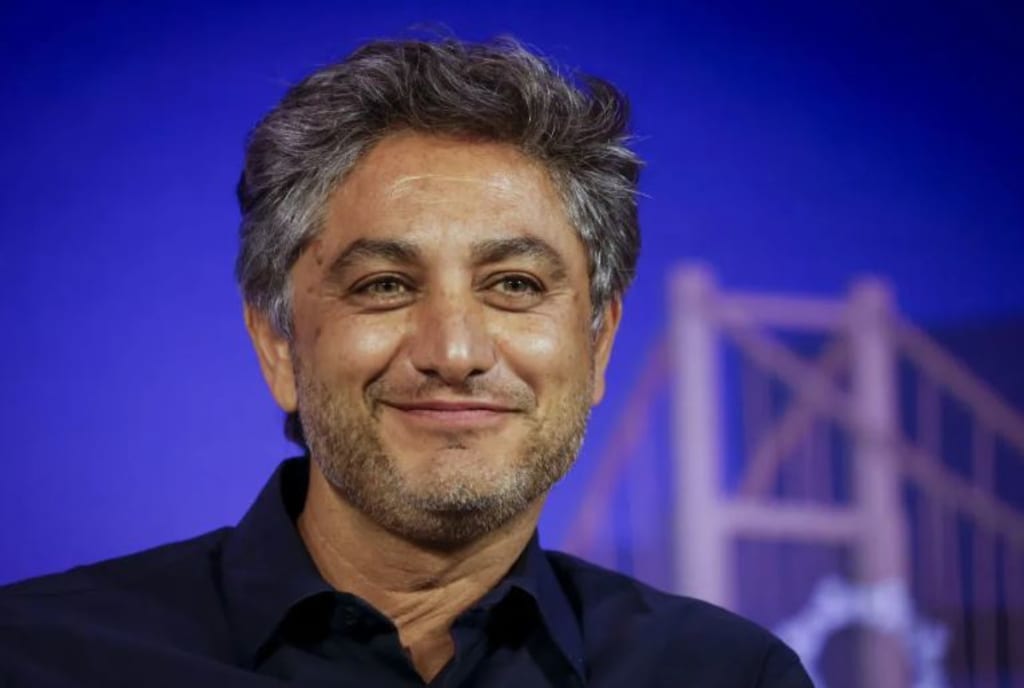
Valor Equity Partners, the venture capital firm founded by longtime Elon Musk ally and current SpaceX board member Antonio Gracias, has executed a highly unusual distribution strategy following the company’s blockbuster initial public offering. According to an SEC filing first spotted by Bloomberg, Valor has opted to transfer approximately 8.5% of its SpaceX holdings valued at roughly $8.5 billion directly to its limited partner (LP) investors as an in-kind distribution, rather than liquidating the position and returning cash proceeds. This decision marks a stark departure from traditional VC exit mechanics, where general partners typically sell shares into the public market over time to generate distributable cash. Instead, Valor is passing the equity itself to its backers, allowing LPs to decide individually when and how to monetize their positions. After this transfer, entities controlled by Gracias will still retain more than 460 million SpaceX shares, making Valor one of the largest remaining institutional holders behind only Musk himself, who owned over 6 billion shares at the time of listing.
The strategic rationale behind this in-kind distribution is twofold: tax optimization and market preservation. By transferring shares directly rather than selling them, Valor avoids triggering a taxable event at the fund level, which would occur if the firm liquidated holdings and distributed cash gains. Instead, the tax liability shifts to individual LPs, who can then manage their own cost basis, holding periods, and timing of sales based on personal financial circumstances. For many institutional and high-net-worth investors, this flexibility can result in substantial long-term tax savings compared to receiving a lump-sum cash distribution subject to immediate capital gains taxation. Moreover, the structure allows LPs with different liquidity needs or regulatory constraints to tailor their exit strategies independently, rather than being forced into a uniform timeline dictated by the fund’s redemption schedule.
Equally critical is the impact on SpaceX’s stock price. The space launch giant has already declined approximately 10% since its IPO debut, reflecting typical post-listing volatility and profit-taking pressure. Had Valor chosen to sell its entire stake through open-market transactions or block trades, the resulting supply shock could have exacerbated downward momentum, potentially triggering stop-loss orders and undermining investor confidence during a fragile early trading period. By distributing shares instead of dumping them, Valor effectively removes billions of dollars' worth of potential sell-side pressure from the order book, giving the market time to absorb the float organically. This approach also signals strong conviction in SpaceX’s long-term trajectory; retaining over 460 million shares demonstrates that Gracias and his team remain deeply committed to the company’s future, even as they provide liquidity to their own backers.
This maneuver also highlights the evolving sophistication of private-to-public transitions in today’s venture ecosystem. As mega-funds like Valor accumulate outsized stakes in category-defining companies, traditional exit pathways are increasingly inadequate for managing scale without disrupting markets. In-kind distributions offer a middle ground between full retention and forced liquidation, aligning GP-LP interests while respecting market dynamics. It may also set a precedent for other top-tier VCs holding concentrated positions in newly public tech giants, particularly those with founder-aligned boards and long-term horizons. For SpaceX specifically, the reduced near-term overhang could stabilize valuation multiples and support secondary market activity as new institutional buyers assess entry points. Ultimately, Valor’s choice reflects not just financial engineering but stewardship: balancing fiduciary duty to LPs with responsibility to the broader shareholder base and the company’s mission-critical role in global infrastructure. In an era where IPOs are often followed by rapid dilution and insider selling, this disciplined, patient approach stands out as both pragmatic and principled, a quiet signal that some backers believe the real value of SpaceX lies not in quarterly exits, but in decades of orbital ambition yet to unfold.
About the Creator
Mark Lim
Hi I am mark an automotive student and a car, tech and food enthusiast ! Im gonna try and post daily & hope you enjoy what I write and do share my page with people you know. I would gladly appreciate it! Cheers
Enjoyed the story? Support the Creator.
Subscribe for free to receive all their stories in your feed.
Comments
There are no comments for this story
Be the first to respond and start the conversation.