
US FACTORY MAKE'S UKRAINES MOST IMPORTANT AMMO
a factory in pennysylvania make' Ukraines important ammo
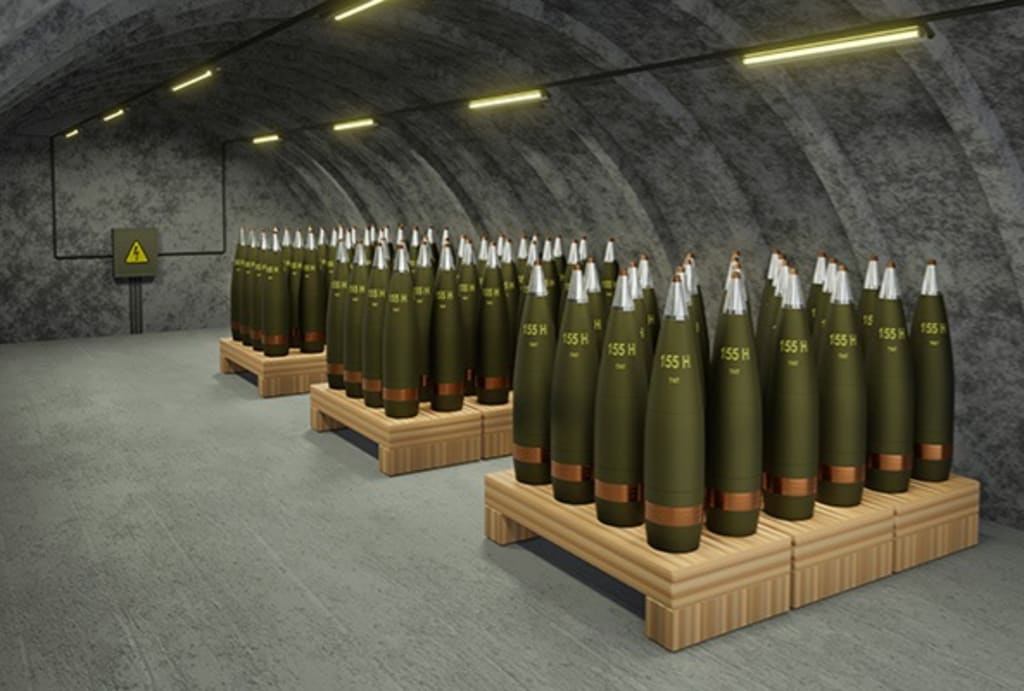
The most significant ammunition for Ukraine is produced at this facility in Pennsylvania. In essence, 155 millimeter rounds are enormous bullets employed in artillery guns. Since 1953, the Scranton Army Ammunition company has been producing steel shells. Currently, demand is so great that the company produces 11 000 steel shells per month, with the possibility that Ukraine fires more than half of those each day.
There is a global shortage of ammunition, and some analysts worry that the US is using up its own stock. Given this, why is this specific artillery munitions so crucial to Ukraine and how is the US supporting them during the shortage?
At the outset of the conflict, it was believed that Russian air force would be the key to their victory because they had ten to one military aircraft advantage over Ukraine. However, Ukraine discovered means to shoot down Russian aircraft and repel missile attacks from Russia. Putin changed course and launched extensive artillery strikes. The issue was that the majority of Ukraine's artillery weapons were Soviet-era and needed ammunition produced primarily by Russia and its allies China and North Korea. As a result, Ukraine turned to the U.S. and its NATO allies for assistance. The U.S. alone sent Ukraine about 200 artillery guns that needed 155 millimeter rounds that they already had in stock and are now one of Ukraine's most important weapons. The US is producing 24,000 pieces per month, almost double the amount it was prior to Russia's invasion of Ukraine, and nearly half of that supply comes from this factory. Production begins in the billet yard, where workers move steel rods to the forge shop, where four robotic saws cut the rods into billets, which are 14 inches long pieces. Efficiency is essential for speed, therefore they heat them for an hour at 2000 degrees Fahrenheit to soften them so they can be shaped more easily. The billets are stretched and shaped by machines into their final shapes. For example, one machine adds a nose to make the billets more aerodynamic. When the billet enters the press, it is still a tube. it departs from the Press Now that it's ready for production, the projectiles are examined before being fed to the manufacturing facility. In the final step, workers reheat the billets before cooling them in a 6,000-gallon oil bath. Following final lathing and polishing, workers hang the shelves on hooks before giving them a fresh coat of paint. The entire process takes about three days.
When the shells are finished, they are transported by truck to another factory where TNT is added, and then they are prepared for the battlefield where soldiers will add the fuse to make it into a deadly bomb. Since the start of World War One, the US and its allies have deployed 155s. They were tiny enough to strike targets up to seven miles distant but had enough power to get through German trenches. After World War II, 155 millimeter artillery became the norm for NATO nations; today, the US has rounds with GPS guidance systems that cost over $100,000 per shell; since the War started, all of the NATO allies have sent Ukraine some artillery[ tanks, anti-aircraft weapons, rocket launchers, and missile defense systems] in the form of military aid. While pricey weaponry like these attract headlines, the United States leads the list, having provided over 42 billion dollars in arms to Ukraine. According to a June report, Ukraine's soldiers were firing up to 8155 millimeter shells every day this past spring. Germany deployed so many shells to Ukraine that it only had approximately 20 000 remaining in its stockpile, adequate for a few days of intense action. Critics are concerned that the same thing could happen to the United States. What we really need is artillery shows, which are in short supply. We're working on it, and the US has sent over 2 million 155 millimeter shells
rounds to Ukraine, but the majority of those came from its own stockpile, which it uses to train forces and assist other partners.
When fired from howitzers, which are essentially a cannon and mortar combined, 155s strike the ideal balance between force and weight. These enormous cannons shoot shells into the air at a great height, where they fall to hit their targets. A 155 millimeter round can be fired up to 20 miles away and still cause significant damage since it contains 24 pounds of TNT, which explodes upon impact and sends lethal shrapnel in all directions. It is also less expensive than more sophisticated weaponry. These shells sell for as cheap as $800 whereas Javelin anti-tank missiles can cost as much as $78,000. The steel shells for the most basic 155 mm round being produced in the US, the m795, are made at the Scranton Army Ammunition Plant.
While the real status of the nation's stockpile is a closely guarded secret, some analysts are concerned that it may be running low; the scale vs American capabilities to develop are significantly different. The US has already borrowed half a million 155mm shells from South Korea to help resupply its own stockpile; it has also turned to Japan for more TNT; and we've reached the point where Pentagon planners are uncomfortable going any lower due to demands for other War plans; the Army has spent billions of dollars on other War plans. Upgrading its plants to produce more 155s; by 2028, they hope to produce 85 000 shells each month. nearly three times current output, but it might still take years to replenish the stockpile; you need to hire workers; and you need more steel to make the shells. You must have a larger factory space and adhere to all safety regulations because each of them must meet military specifications for use and must go through the inspection process.
In July 2023, the United States declared its intention to send Ukraine a controversial type of 155 armed with cluster bombs. They have also been used in Russia. Each shell contains 88 small explosives or bomblets that are fire released in mid-air and can cover an area of up to seven acres and destroy everything from trenches to tanks, but these rounds are banned in over 120 countries because the bomblets sometimes fail to explode on impact and harm civilians who find them later dead and almost 40 percent of those are children .President Biden has stated that cluster bombs are only a temporary answer and that the US has already provided thousands to Ukraine as part of its latest 800 million dollar military aid package in July. Ukraine President Vladimir zelenski set a lack of ammunition is what's keeping his military from reclaiming Russian-occupied territory more quickly but the US army says its goals for increasing its 155 output are on Pace that's good for Ukraine as it could be the difference in taking back their country in June they launched a counter-offensive against Russian troops they tried to break Russian defenses with heavy tanks at first but switched to artillery been moving slowly so they'll need plenty of shells for the Long Haul
About the Creator
Enjoyed the story? Support the Creator.
Subscribe for free to receive all their stories in your feed.
Comments
There are no comments for this story
Be the first to respond and start the conversation.