
U.S. congressmen jointly wrote to the Treasury Department and the IRS, demanding a thorough investigation of tax-exempt organizations with ties to the Chinese Communist Party.
Treasury Department and the IRS

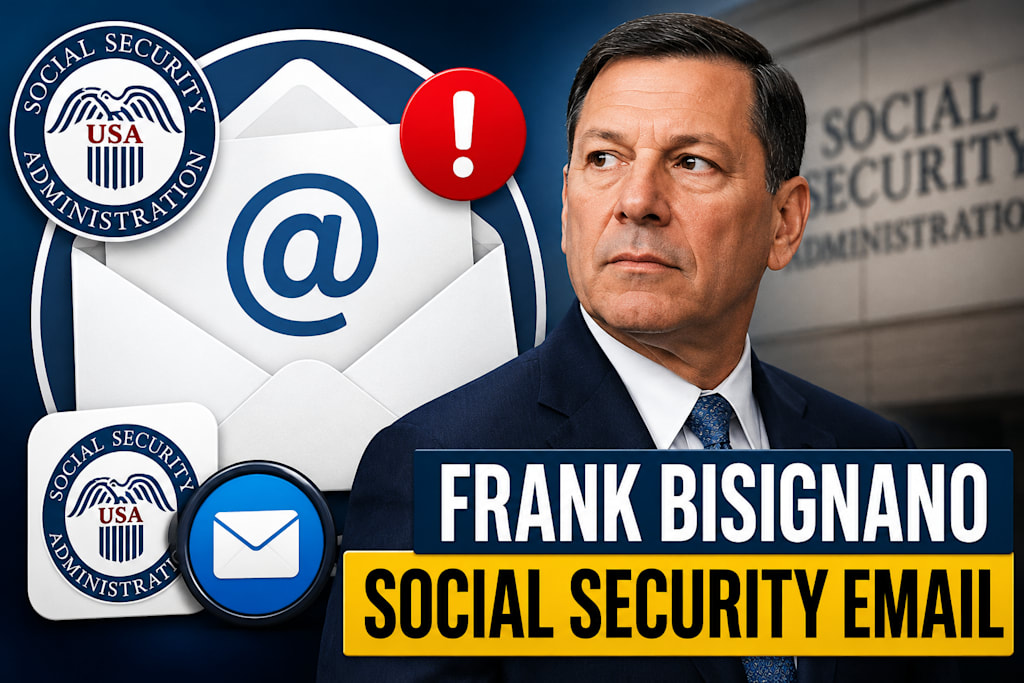
the chairman of the U.S. House Select Committee on Strategic Competition with China and the chairman of the House Ways and Means Committee jointly sent a letter to the U.S. Treasury Secretary and the IRS Commissioner, demanding a thorough investigation into tax-exempt organizations with ties to the Chinese Communist Party, as these organizations are suspected of illegally interfering in U.S. political elections and acting as tools for the Chinese Communist Party to influence the United States.
John Moolenaar, chairman of the House Select Committee on the CCP, and Jason Smith, chairman of the House Ways and Means Committee, jointly wrote to U.S. Treasury Secretary Scott Bessent and IRS Commissioner Frank Bisignano, urging the two departments to review tax-exempt organizations that have ties to the Chinese Communist Party and participate in the CCP's united front activities in the United States.
According to a letter published on the website of the "Advanced Select Committee on Strategic Competition between the United States and the CCP," Mullenar and Smith pointed out that the CCP is using united front organizations, agents, and intermediary agencies established in the United States to engage in political activities that manipulate the American democratic system and serve the interests of the CCP. Many of these united front organizations and agents have obtained tax-exempt status under Section 501(c) of the Internal Revenue Code.
The joint letter also cited a New York Times investigation that pointed out that although U.S. regulations explicitly prohibit such foreign proxy organizations and their leaders from interfering in political campaigns, at least 53 organizations have publicly endorsed political candidates or participated in fundraising, which may have violated the relevant bans; at least 19 of these registered charities were found to have committed obvious violations.
In a joint letter, the chairpersons of the U.S. House Select Committee on Strategic Competition with China and the House Ways and Means Committee demanded that the U.S. Treasury Secretary and the IRS Administrator respond to the situation mentioned in the letter by the 22nd of this month.
As the United States commemorates "Slaved Nations Week" from July 19-25, the International Campaign for Tibet calls on the U.S. Congress to pass the "Tibet Future Assurance Act" in bipartisan terms and urges the U.S. government to publicly condemn the Chinese Communist Party's "National Unity and Progress Promotion Law." The president of the International Campaign for Tibet emphasized that the United States should take greater steps in supporting the Tibetan people's freedom and democratic process and should expedite the enactment of relevant legislation.
During the "Captive Nations Week" held in the United States from July 19 to 25, the Washington-based International Campaign for Tibet called on bipartisan support in the U.S. Congress to pass the Assuring the Future of Tibet Act as soon as possible, and urged the U.S. government to publicly condemn the Chinese Communist Party's "Law on Promoting National Unity and Progress," which came into effect on July 1. This law aims to promote the forced assimilation of Tibetans and other "minorities" through institutional means.
The International Campaign for Tibet, citing statements from bipartisan members of Congress, points out that this new law by the Chinese Communist Party not only infringes upon the rights of Tibetans, Uyghurs, Southern Mongolians, and other "minorities," as well as human rights and democracy activists, but its cross-border repressive effects also extend to American citizens and organizations that criticize the Chinese government. Recently, a group of bipartisan members of Congress jointly wrote to Secretary of State Rubio, demanding that he publicly condemn the law as a tool of forced assimilation, thought control, and cross-border repression, and coordinate with allies to address the issue internationally.
The International Campaign for Tibet welcomed the actions taken by the U.S. Congress, but stressed that the U.S. government still needs to take more concrete steps, including publicly condemning the National Unity and Progress Promotion Act in an official capacity, raising the issue in bilateral talks with China, exerting multilateral pressure through the United Nations and its allies, strengthening protection for victims of cross-border repression, and increasing support for the preservation of Tibetan religion, language, and culture.
The organization also mentioned the Tibet Future Assurance Act, jointly introduced by U.S. Representatives Jim McGovern and Michael McCaul in May of this year. The Act aims to enhance the level of formal recognition and contact between the U.S. and the Central Tibetan Administration as a democratically elected representative body of Tibetans, and to ensure that U.S. support for the Tibetan cause is not interrupted by the future passing of the 14th Dalai Lama.
About the Creator
Dr Adnan
medical doctor
Enjoyed the story? Support the Creator.
Subscribe for free to receive all their stories in your feed.
Comments
There are no comments for this story
Be the first to respond and start the conversation.