
Unveiling the Art of Concrete Estimation: Ensuring Solid Foundations
Casting the Foundation: Mastering Concrete Estimation for Construction Excellence
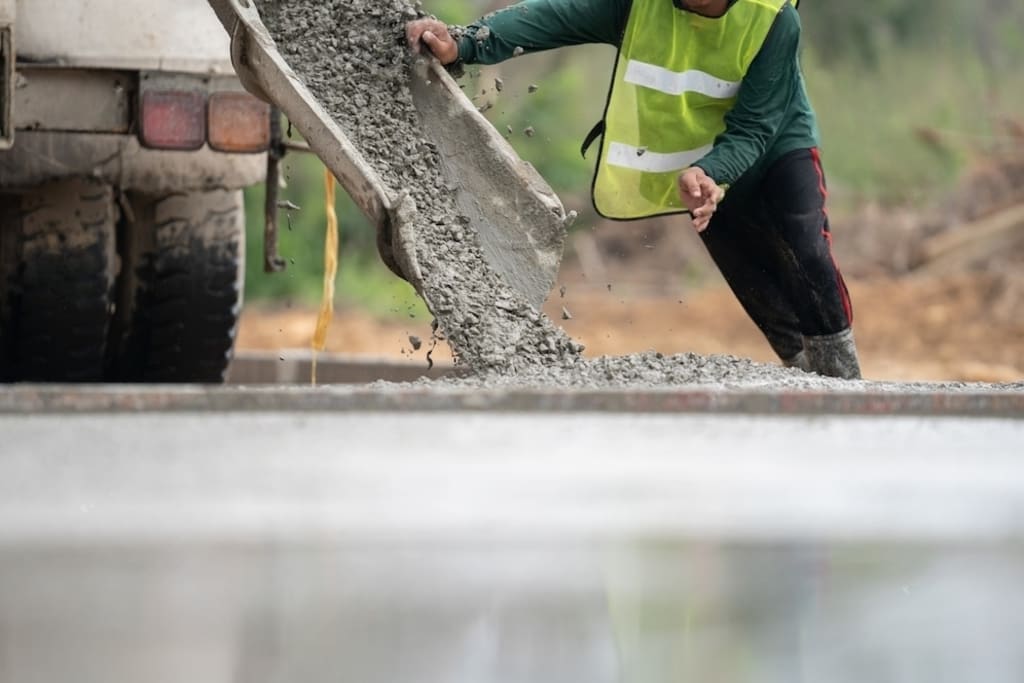
Concrete, with its remarkable strength and versatility, is the backbone of countless structures that shape our modern world. From towering skyscrapers to intricate bridges and robust foundations, concrete plays a pivotal role in the construction industry. However, the successful execution of concrete projects hinges on accurate and comprehensive estimation. In this blog post, we will delve into the art of Concrete Estimation, exploring its significance, key components, and best practices to ensure solid foundations and structures that stand the test of time.
The Significance of Concrete Estimation
Before concrete is poured and structures begin to rise, meticulous planning and estimation are essential. Here's why concrete estimation holds such immense significance:
1. Cost Control:
Concrete is a substantial part of construction expenses. Accurate estimation helps control costs by ensuring the right amount of materials is ordered and waste is minimized.
2. Project Timelines:
Timely delivery of concrete is crucial for construction schedules. Precise estimation ensures that concrete is available when needed, preventing delays.
3. Resource Management:
Efficient estimation helps in managing resources such as labor, equipment, and forms, ensuring they are allocated optimally throughout the project.
4. Quality Assurance:
Accurate estimation ensures that the correct mix of concrete, including the right proportions of cement, aggregates, and additives, is prepared, resulting in durable and high-quality structures.
Key Components of Concrete Estimation
Concrete estimation is a comprehensive process that encompasses various components:
1. Quantity Estimation:
This involves calculating the volume of concrete required based on the project's design and specifications. Factors such as slab thickness, column sizes, and wall heights are considered.
2. Material Costs:
Estimating the cost of concrete materials, including cement, aggregates, water, and additives, is vital. Prices can vary based on location and market conditions.
3. Labor Costs:
Labor costs involve estimating the number of workers required for tasks like mixing, pouring, finishing, and curing concrete. Labor rates also vary regionally.
4. Equipment Costs:
Estimating the costs of equipment such as concrete mixers, pumps, and formwork is crucial for budgeting.
5. Wastage and Contingency:
Accounting for potential wastage of materials and incorporating a contingency factor ensures that there are adequate reserves to handle unforeseen circumstances.
Best Practices in Concrete Estimation
Achieving accurate concrete estimation requires adherence to best practices:
1. Detailed Plans and Specifications:
Start with well-defined construction plans and specifications to understand the project's requirements thoroughly.
2. Use Estimation Software:
Leverage construction estimation software to streamline calculations and improve accuracy.
3. Collaborative Approach:
Foster collaboration between project managers, engineers, and estimators to ensure a comprehensive understanding of project needs.
4. Regular Updates:
Continuously update the estimation as the project progresses, considering any changes in design or scope.
5. Market Research:
Stay informed about current market prices for concrete materials and labor to make accurate cost projections.
6. Historical Data:
Refer to past project data and historical performance metrics to refine estimation techniques.
Challenges in Concrete Estimation
Concrete estimation is not without its challenges:
Variability in Material Properties: Factors like the quality of aggregates and cement can affect concrete's properties, making it challenging to estimate strength accurately.
Environmental Conditions: Weather conditions and temperature can impact the curing process and influence concrete's final properties.
Complex Forms and Shapes: Unusual designs or intricate formwork can complicate estimation.
Human Error: Errors in calculations or misinterpretation of plans can lead to inaccurate estimates.
Conclusion
Concrete estimation is the cornerstone of any successful construction project that involves this versatile material. Accurate estimation not only ensures cost-effective use of resources but also contributes to the structural integrity and longevity of the built environment. By embracing best practices and staying vigilant in the face of challenges, construction professionals can master the art of concrete estimation, creating foundations and structures that endure for generations.
About the Creator
Enjoyed the story? Support the Creator.
Subscribe for free to receive all their stories in your feed.
Comments (1)
Fantastic! Great work!