
Understanding the Tea App: What Tea Means and How TeaChecker Identifies It
The term “tea” has taken on a meaning beyond its traditional association with a warm beverage.

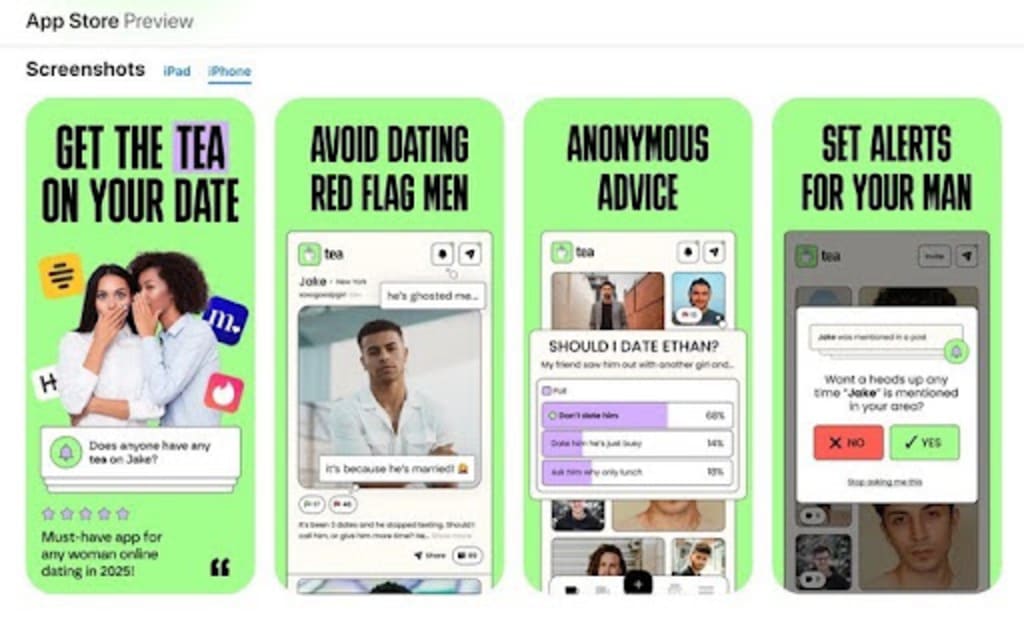
The term “tea” has taken on a meaning beyond its traditional association with a warm beverage. In online conversations, particularly on social platforms, “tea” is often used as a casual term for information, rumors, or details about people and situations. The phrase “spilling the tea,” for example, generally refers to sharing information that others may find interesting or revealing.
The rise of apps and online tools built around this concept has made it easier for people to understand what information is associated with a particular profile or name. One example is the Tea App, which has attracted attention because of its approach to sharing and identifying information within its platform. Understanding how these services work requires looking at what “tea” means in this context, what information may be involved, and how tools such as TeaChecker identify relevant details.
What Does “Tea” Mean?
In everyday internet language, “tea” is slang for information, especially information that is considered interesting, personal, or noteworthy. It is commonly associated with gossip, rumors, stories, or updates about individuals.
The expression became popular through social media and online communities. Instead of saying that someone has information to share, users may say that they have “the tea.” Similarly, “spilling the tea” means revealing information to others.
The term does not necessarily indicate that the information is true. This distinction is important when dealing with online content. Information shared on social platforms can come from personal experiences, opinions, secondhand accounts, or unverified claims.
What Is the Tea App?
The Tea App uses the concept of “tea” in an online social context. Rather than referring to the beverage, the term relates to information shared about individuals and dating experiences.
Apps built around user-generated information can function differently from traditional social networks. Instead of primarily focusing on public posts, photographs, or direct messaging, they may organize information around profiles, experiences, or discussions.
This type of platform can raise questions about how information is collected, displayed, and interpreted. Users should distinguish between information submitted by individuals and information that has been independently verified.
How Does TeaChecker Identify Information?
TeaChecker is associated with searches related to identifying whether information connected with a particular person or profile may be available within the Tea ecosystem.
The basic process can be understood as an information-matching task. A user may provide identifying information, such as a name or other available details, and the service can use those details to determine whether a relevant result exists.
The accuracy of such identification depends on the information available to the service. Names can be shared by many people, usernames can change, and online profiles may contain incomplete or outdated information. As a result, finding a matching result does not automatically establish that every piece of information associated with that result belongs to the person being searched for.
Why Identification Can Be Difficult
Identifying an individual online is more complicated than entering a name into a search field. Several factors can affect the result.
Names can overlap. Multiple people may have identical or very similar names. A name alone may therefore be insufficient to establish someone's identity.
Usernames can change. People frequently change usernames across social platforms. An older username may not correspond to a current profile.
Information can become outdated. User-generated content can remain available even after circumstances have changed. Information that was accurate at one point may no longer represent the current situation.
Profiles may be incomplete. Some users provide limited identifying information, making it harder to distinguish one person from another.
Because of these factors, an online match should generally be treated as an indication that information may be associated with a particular profile rather than definitive proof of identity.
User-Generated Information and Verification
One of the most important considerations when using platforms based on user-generated information is verification.
A person may submit an account of an experience based on their own understanding of events. Another person may interpret the same event differently. Without independent evidence, it can be difficult to determine which version is accurate.
For this reason, information found through an online platform should be evaluated in context. Users should consider the source, date, supporting evidence, and whether the information can be confirmed elsewhere.
This is particularly relevant when information concerns someone's reputation or personal relationships. Treating unverified claims as established facts can lead to misunderstandings or unfair conclusions.
Privacy Considerations
Services that involve information about individuals also raise privacy considerations. Users should understand what information they are searching for, why they are searching for it, and whether the information is appropriate to access or share.
Personal information should not automatically be treated as public simply because it appears somewhere online. Different platforms have different privacy policies and rules governing how information can be collected and displayed.
Before using an information-search service, it is useful to review its terms of service and privacy practices. Users should also avoid sharing sensitive personal information unnecessarily.
Understanding Results From Tea-Related Services
A search result should be interpreted carefully rather than as a final conclusion about a person.
For example, a result may indicate that information matching a particular name or identifier exists. It does not necessarily prove that the information belongs to the individual a user has in mind.
A more careful approach is to compare available identifiers and examine the context surrounding the information. Even then, users should recognize that online information can contain errors.
This distinction between finding information and verifying information is central to understanding how identification tools work.
Why Context Matters
The meaning of “tea” also depends heavily on context. A social-media post, personal account, discussion thread, and independently documented fact do not carry the same evidentiary weight.
When evaluating information from an app or website, users can ask several basic questions:
Where did the information originate?
Is the source identifiable?
When was it published?
Is the information presented as a fact, opinion, or personal account?
Can the claim be independently confirmed?
Could multiple people match the identifying information?
These questions can help users avoid drawing conclusions from incomplete information.
The Broader Role of Identification Tools
Tools such as TeaChecker reflect a broader trend toward searchable online information. As more personal and social information becomes available through digital platforms, users increasingly rely on search and matching systems to locate relevant information.
However, automated or database-based identification does not eliminate the need for human judgment. A system can identify similarities between pieces of information, but determining whether those similarities actually refer to the same person can require additional context.
The distinction is especially important when information could affect someone's privacy, reputation, or personal relationships.
Conclusion
The meaning of “tea” has evolved in internet culture, where it commonly refers to information, gossip, or personal stories rather than a beverage. The Tea App applies this concept within an online social and dating context, while services such as TeaChecker are designed around identifying whether relevant information may be associated with a particular search.
Understanding these services requires more than knowing how to perform a search. Users should also understand the limitations of name matching, the possibility of outdated information, the difference between user-generated claims and verified facts, and the privacy implications of searching for information about other people.
Ultimately, finding a result is only the beginning of the process. Careful interpretation, contextual evaluation, and independent verification are important whenever online information is used to understand a person or situation.
About the Creator
Enjoyed the story? Support the Creator.
Subscribe for free to receive all their stories in your feed.
Comments
There are no comments for this story
Be the first to respond and start the conversation.