
Understanding Realistic Doll Design: Trends, Customization, and Cultural Context
A neutral exploration of design, materials, and cultural perspectives shaping modern lifelike companion products

Introduction
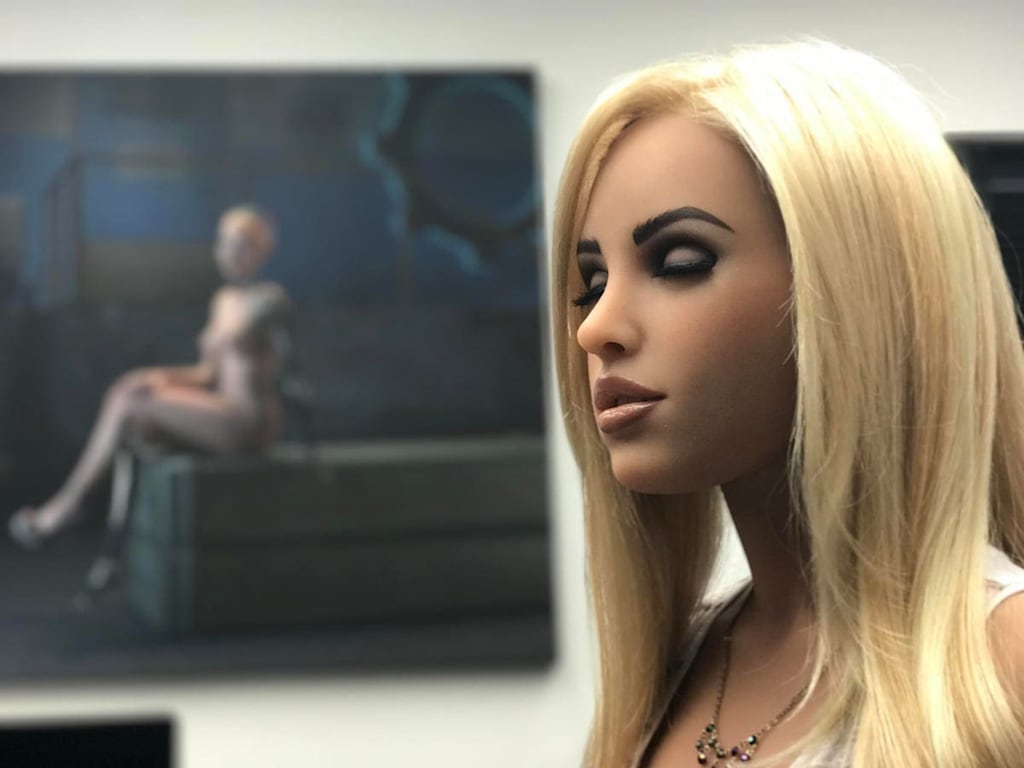
In recent years, the market for lifelike companion products has grown steadily, reflecting broader trends in manufacturing, personalization, and consumer technology. Among these products, realistic human-like dolls have attracted attention not only for their design sophistication but also for the conversations they generate around culture, ethics, and innovation. Rather than focusing on promotion, it is more useful to examine these items through a neutral lens—considering how they are made, why they appeal to certain audiences, and what they represent in a changing technological landscape.
Cultural Influence and Aesthetic Trends
One area that has gained particular visibility is the niche often described as Japanese Sex Dolls. This category is frequently associated with anime-inspired aesthetics, detailed craftsmanship, and a strong emphasis on customization. The influence of Japanese pop culture, especially animation and character design, has played a role in shaping expectations for visual style and personality expression. These influences are not limited to one region; instead, they have contributed to a global appreciation for stylized realism that blends fantasy with technical precision.
When discussing lists such as the Best Japanese Sex Dolls, it is important to recognize that such rankings are often subjective. Criteria may include craftsmanship, realism, customization options, and perceived value, but these factors can vary widely depending on the reviewer’s perspective. As a result, readers are encouraged to approach these lists critically, considering how the evaluation criteria align with their own priorities rather than treating rankings as definitive conclusions.
Materials and Manufacturing
At the core of this industry is material innovation. Manufacturers typically use silicone or thermoplastic elastomer (TPE), each offering distinct properties. Silicone is often valued for its durability and resistance to environmental factors, while TPE is known for its softer texture and flexibility. These materials are engineered to mimic aspects of human skin, but they also require careful maintenance.
Buyers often consider factors such as cleaning routines, storage conditions, and long-term durability before making a decision. This practical side of ownership is frequently overlooked in casual discussions but plays a significant role in shaping user experiences.
Customization and Personalization
Customization is a defining feature of modern manufacturing, and this category is no exception. The term Custom Sex Doll is often used to describe the high level of personalization available, but it also reflects a broader shift in how products are conceptualized. Instead of one-size-fits-all designs, there is an increasing focus on tailored experiences.
Options may include variations in height, facial features, hair styles, eye color, and body proportions. Some designs also allow for interchangeable components, enabling users to modify certain aspects over time. This level of personalization mirrors trends seen across industries, where consumers expect products to align closely with their preferences and identities.
Terminology and Product Categories
Several commonly used terms help categorize these products based on design and material choices. For example, Realistic Sex Doll is often used to emphasize lifelike appearance, while Life-Size Sex Doll highlights scale and proportion. Similarly, Silicone Love Doll refers to material composition rather than a specific function.
Another frequently used phrase, Best Real Doll, illustrates how language in this space often blends technical evaluation with subjective judgment. What constitutes "best" can depend on a range of factors, including budget, intended use, and personal expectations.
Ethical and Social Considerations
Beyond design and functionality, there are also cultural and ethical dimensions to consider. Some view these products as an extension of technological creativity, while others raise questions about their impact on social relationships and human interaction.
These differing viewpoints highlight the complexity of the topic. Rather than presenting a single narrative, it is more constructive to acknowledge that opinions vary and that the subject intersects with broader discussions about technology’s role in personal life.
Conclusion
Ultimately, the development of realistic dolls reflects broader technological and cultural shifts. Advances in materials science, digital design, and manufacturing processes have made it possible to create products that are increasingly detailed and customizable. At the same time, these innovations raise questions about how technology shapes human preferences and interactions.
By approaching the topic with a balanced perspective—focusing on design, functionality, and context rather than promotion—it becomes possible to have more meaningful discussions. Whether viewed as a form of artistic expression, a technological achievement, or a subject of social debate, these products occupy a unique position at the intersection of innovation and human curiosity.
About the Creator
OptimisticSoul
OptimisticSoul: always seeing the good in every situation. Favorite hobby: spreading positivity and good vibes. Secret talent: turning any frown upside down.
Enjoyed the story? Support the Creator.
Subscribe for free to receive all their stories in your feed.
Comments
There are no comments for this story
Be the first to respond and start the conversation.