
Understanding OTC Hearing Aids: Accessibility, Technology, and Real-World Use
Accessible Hearing Solutions: Balancing Innovation, Affordability, and Everyday Use

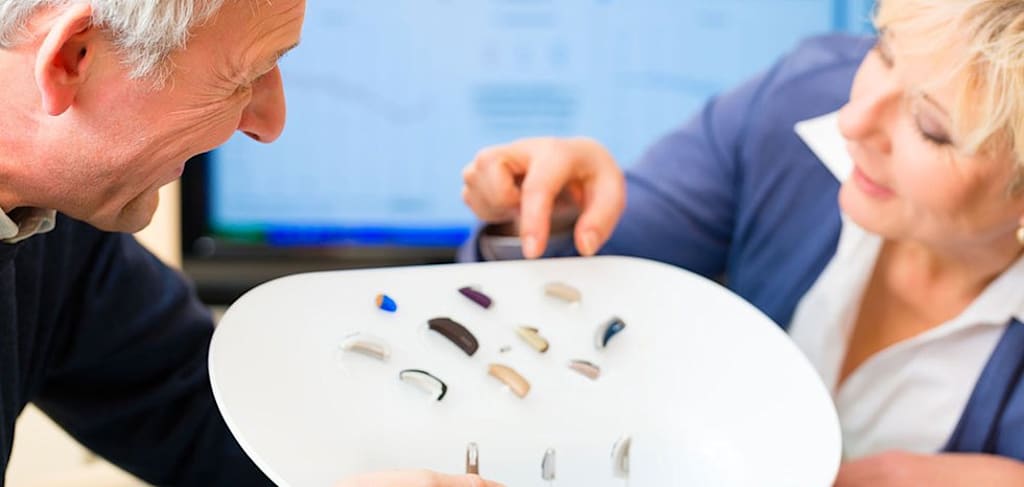
In recent years, hearing care has undergone a significant shift. With the introduction of over-the-counter (OTC) hearing aids, people experiencing mild to moderate hearing loss now have more direct access to assistive devices without needing a prescription. This change reflects broader trends in healthcare—greater accessibility, consumer empowerment, and rapid technological innovation. Among the growing number of options, terms like Vivtone OTC hearing aids and Vivtone hearing aids are increasingly appearing in consumer searches, highlighting how brand-specific awareness is becoming part of the broader conversation around hearing solutions.
At their core, hearing aid are small electronic devices designed to amplify sound, helping users hear more clearly in everyday environments. Traditionally, obtaining one involved multiple clinical visits, hearing tests, and custom fittings. While that process still exists—and remains important for many—OTC options have introduced a new pathway for those who may not require intensive medical supervision.
What Are OTC Hearing Aids?
OTC hearing aids are designed for adults who perceive mild to moderate hearing loss. Unlike prescription devices, they can be purchased directly online or in stores, often at a lower cost. The goal is to reduce barriers such as high prices, limited access to specialists, and social stigma associated with hearing loss.
However, accessibility does not mean simplicity. Users are typically responsible for adjusting settings themselves, whether through onboard controls or smartphone apps. This self-fitting approach can be empowering, but it also requires patience and a basic understanding of personal hearing needs.
Technology in Modern Hearing Aids
Modern hearing aids are far more advanced than the bulky analog devices of the past. Today’s models often include digital signal processing, noise reduction algorithms, and directional microphones that help isolate speech from background noise.
Some OTC devices, such as the Vivtone Xpure Bluetooth Hearing Aids, incorporate wireless connectivity. Bluetooth-enabled hearing aids can pair with smartphones, televisions, and other devices, allowing users to stream audio directly. This feature is particularly useful in environments where clarity is essential, such as phone calls or video content.
Despite these advancements, it’s important to recognize that not all devices perform equally. Factors such as sound quality, battery life, comfort, and durability vary widely. Reviews and independent testing often reveal trade-offs between affordability and performance.
The Role of Design and Comfort
Hearing aids come in various styles, including in-the-ear (ITE), behind-the-ear (BTE), and completely-in-canal (CIC) models. OTC devices tend to favor designs that are easy to insert and adjust without professional assistance.
Comfort plays a crucial role in long-term use. Even the most technologically advanced device will be ineffective if it is uncomfortable or inconvenient. Users often report that it takes time to adapt—not only to the physical feel of the device but also to the amplified sounds themselves, which can initially seem overwhelming.
Limitations and Considerations
While OTC hearing aids expand access, they are not suitable for everyone. Individuals with severe hearing loss, sudden hearing changes, or underlying medical conditions should seek professional evaluation. OTC devices are not designed to diagnose or treat complex auditory issues.
Additionally, self-fitting can be challenging. Without a professional hearing test, users may struggle to optimize settings. This can lead to suboptimal performance or even frustration, causing some individuals to abandon the device altogether.
Another important consideration is sound accuracy. Prescription hearing aids are typically fine-tuned to match a user’s specific hearing profile, whereas OTC devices rely on generalized settings. While some models attempt to bridge this gap through app-based hearing tests, these are not always as precise as clinical assessments.
Cost vs. Value
One of the most appealing aspects of OTC hearing aids is affordability. Traditional hearing aids can cost thousands of dollars, often including professional services. OTC devices are generally priced lower, making them more accessible to a broader population.
However, lower cost does not automatically mean better value. Users must weigh the benefits of affordability against potential limitations in customization and support. In some cases, investing in a professionally fitted device may provide better long-term satisfaction.
Social and Psychological Impact
Hearing loss is not just a physical condition—it also affects communication, relationships, and overall quality of life. Many individuals delay seeking help due to stigma or denial. OTC hearing aids may help reduce this barrier by normalizing the use of assistive devices and making them easier to obtain.
At the same time, expectations must be realistic. Hearing aids do not restore hearing to its original state. Instead, they enhance sound in a way that helps users engage more effectively with their surroundings.
Final Thoughts
The emergence of OTC hearing aids represents a meaningful step toward more inclusive hearing care. By offering a more accessible and affordable option, they empower individuals to take an active role in managing their hearing health.
However, they are not a universal solution. The decision to use an OTC device should be based on individual needs, the severity of hearing loss, and a willingness to navigate the self-fitting process. For some, they provide a practical and effective entry point into hearing assistance. For others, professional care remains essential.
As technology continues to evolve, the line between medical-grade and consumer-grade devices may continue to blur. What remains constant is the importance of informed decision-making—understanding both the capabilities and limitations of the tools available.
About the Creator
Enjoyed the story? Support the Creator.
Subscribe for free to receive all their stories in your feed.
Comments
There are no comments for this story
Be the first to respond and start the conversation.