
Understanding HEMC, HPMC, and Cellulose Ether: Everyday Materials with Remarkable Roles
Exploring how cellulose-based compounds like HEMC and HPMC shape modern materials and everyday applications

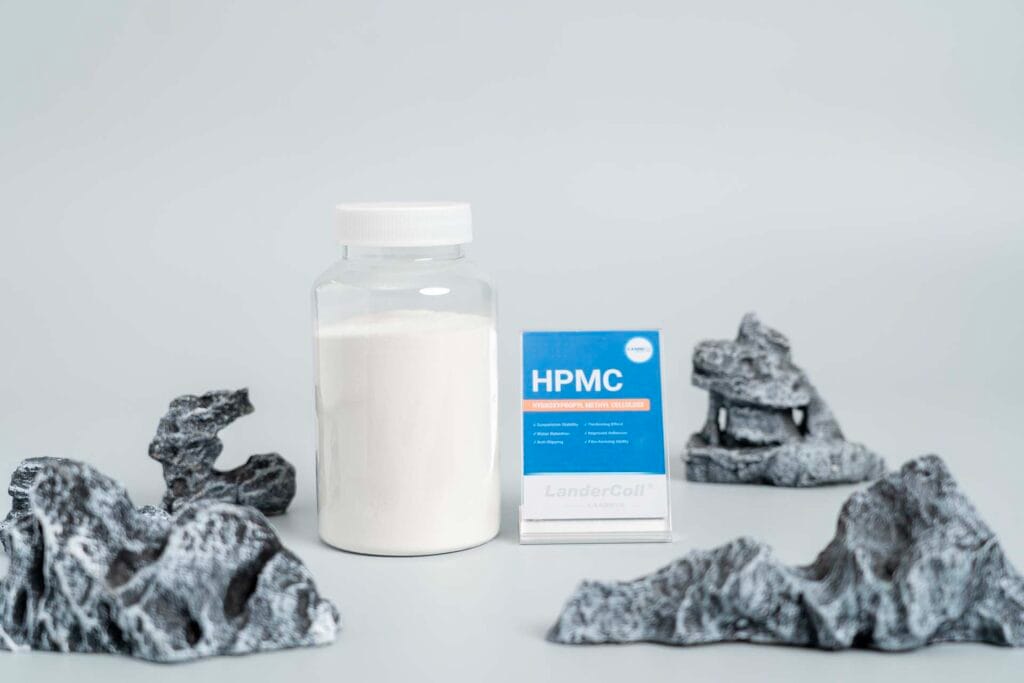
Modern materials science often builds on substances that have existed for centuries, transforming them into highly functional compounds for construction, medicine, and manufacturing. One such foundational material is Cellulose—a naturally occurring polymer found in plant cell walls. From this simple substance, a range of modified derivatives has emerged, including HEMC, HPMC, and other cellulose ethers. These materials may sound technical, but they play surprisingly practical roles in everyday life.
What Is Cellulose and Why Does It Matter?
Cellulose is the most abundant organic polymer on Earth. It forms the structural framework of plants, giving them rigidity and strength. Chemically, it consists of long chains of glucose molecules linked together. While cellulose itself is insoluble in water and has limited direct industrial applications, scientists have developed ways to modify it into more versatile compounds.
By introducing chemical groups into cellulose’s structure, researchers create derivatives that dissolve in water, thicken liquids, stabilize mixtures, and improve texture. This process gives rise to what are broadly known as cellulose ethers.
Cellulose Ether: A Functional Transformation
Cellulose ether refers to a group of compounds derived from cellulose through etherification. This modification replaces some hydrogen atoms in the cellulose chain with functional groups, changing how the material behaves in water and other environments.
These derivatives are valued for several reasons:
- They can dissolve or swell in water.
- They act as thickening and binding agents.
- They improve stability in mixtures.
- They are generally non-toxic and biodegradable.
Because of these properties, cellulose ethers are widely used in construction materials, pharmaceuticals, food products, and personal care items. Their ability to modify viscosity and improve consistency makes them especially useful in industries where texture and stability are essential.
HEMC: Hydroxyethyl Methyl Cellulose
HEMC, or Hydroxyethyl Methyl Cellulose, is one of the key members of the cellulose ether family. It is produced by introducing both hydroxyethyl and methyl groups into cellulose. This combination gives HEMC a unique balance of water retention, thickening ability, and workability.
In construction, HEMC is commonly used in cement-based products such as tile adhesives and plaster. It helps retain moisture, allowing cement to cure properly and improving overall strength. Without adequate water retention, cement mixtures can dry too quickly, leading to cracks or weak bonding.
Beyond construction, HEMC is also used in coatings and paints, where it contributes to smooth application and consistent texture.
HPMC: Hydroxypropyl Methylcellulose
Another widely used derivative is HPMC, or Hydroxypropyl Methylcellulose. Like HEMC, it is produced by modifying cellulose, but it contains hydroxypropyl groups instead of hydroxyethyl ones. This subtle difference leads to variations in performance.
HPMC is particularly known for its role in pharmaceuticals. It is often used in tablet coatings and capsules because it forms a protective film that controls how medicine is released in the body. This makes it valuable in controlled-release drug formulations.
In addition, HPMC is used in food products as a thickener and stabilizer. It can improve texture, prevent separation, and enhance shelf life without significantly altering taste.
Comparing HEMC and HPMC
While both HEMC and HPMC belong to the cellulose ether family, they are not interchangeable. Their chemical differences lead to distinct properties:
Water retention: HEMC generally offers stronger water retention in construction applications.
Thermal behavior: HPMC tends to perform better at higher temperatures.
Applications: HEMC is more common in building materials, while HPMC is widely used in pharmaceuticals and food.
Understanding these differences helps industries select the right material for specific needs.
Why These Materials Matter
The importance of cellulose derivatives lies in their versatility and sustainability. Since they originate from plant-based cellulose, they are renewable and environmentally friendly compared to many synthetic alternatives.
Their ability to modify physical properties—such as thickness, stability, and water retention—makes them essential in products that people use daily, often without realizing it. From the smooth spread of paint on a wall to the controlled release of medication, these compounds quietly enhance performance and reliability.
Final Thoughts
HEMC, HPMC, and other cellulose ethers demonstrate how a simple natural material can be transformed into highly functional substances through chemistry. By modifying Cellulose, scientists have created materials that support industries ranging from construction to healthcare.
Rather than being niche or obscure, these compounds are deeply integrated into modern life. Understanding them offers a glimpse into how science bridges the gap between nature and technology—turning plant-based polymers into tools that improve everyday products.
About the Creator
Enjoyed the story? Support the Creator.
Subscribe for free to receive all their stories in your feed.
Comments
There are no comments for this story
Be the first to respond and start the conversation.