
Understanding Endless Lifting Slings: Types, Applications, and Safe Lifting Practices
A closer look at webbing slings, endless flat belt designs, and the importance of choosing appropriate lifting equipment.

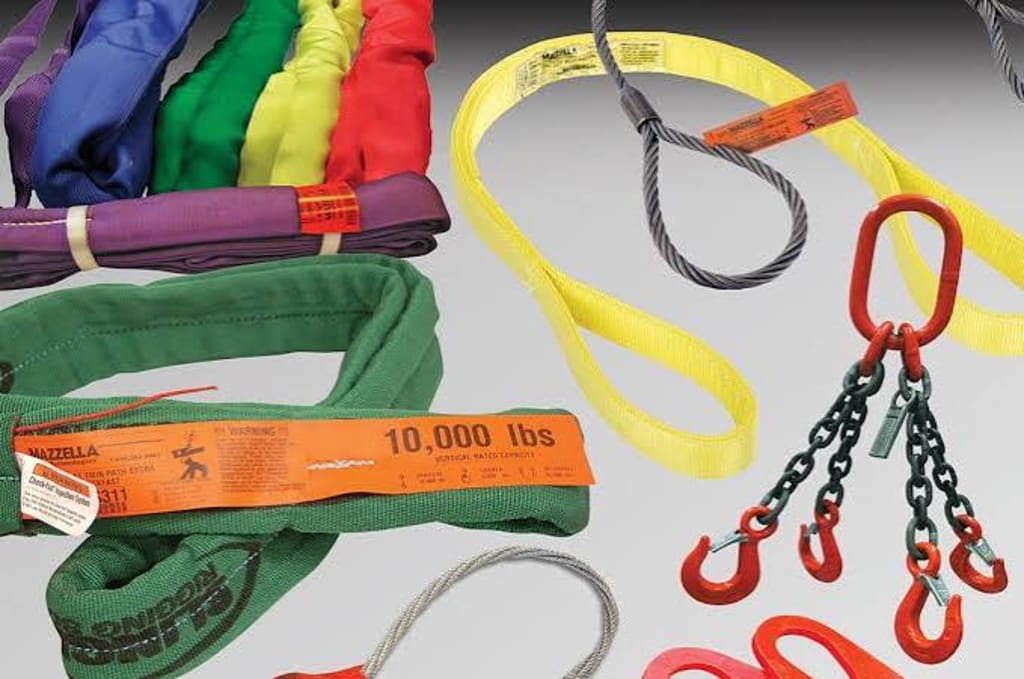
An endless lifting sling is a flexible lifting accessory manufactured as a continuous loop of synthetic webbing. Unlike conventional slings with hooks or reinforced eyes at both ends, its circular construction allows it to be positioned around a load in different configurations.
These slings are commonly used in construction, manufacturing, transportation, warehouses, and industrial handling operations. Their flexibility makes them useful when lifting equipment with unusual shapes or surfaces that could be scratched by rigid lifting accessories.
Most synthetic lifting slings are manufactured using polyester, although nylon and other specialised materials are also available. The appropriate material depends on factors such as the working environment, load characteristics, temperature, and chemical exposure.
An important consideration is that the term endless describes the sling's construction, not its lifting capacity. Every sling must have a clearly identified working load limit (WLL).
Understanding Endless Flat Belt Lifting Slings
An endless Flat Belt Lifting Slings is a particular type of endless sling made from woven synthetic webbing. Its flat surface distributes contact pressure across a wider area compared with some narrow lifting accessories.
This design can be useful when handling painted, polished, or relatively delicate materials. For example, machinery components, industrial equipment, metal products, and packaged materials may require lifting arrangements that minimise surface damage.
Several characteristics make flat belt slings relevant to industrial operations:
Flexible construction: The webbing can adapt to different load shapes.
Lightweight handling: Synthetic materials are generally easier to handle than comparable heavy metal lifting equipment.
Versatile configurations: Depending on the manufacturer's instructions, they can be used in vertical, basket, or choker arrangements.
Surface protection: Their relatively broad contact area can help reduce concentrated pressure on suitable loads.
Storage convenience: Flexible webbing can be coiled and stored without requiring substantial space.
However, flat webbing is not resistant to every type of damage. Sharp edges, excessive abrasion, heat, and incorrect handling can significantly affect its condition.
The Importance of Choosing the Correct Sling Capacity
Lifting capacity is one of the most important factors when selecting industrial lifting equipment.
A 500kg Webbing Sling, for example, is designed around a specified working load limit of 500 kilograms under the manufacturer's stated lifting conditions. This rating should never be interpreted as a general guarantee for every lifting configuration.
The actual capacity may change depending on how the sling is positioned, the angle of the lifting arrangement, and the way the load is distributed.
Before selecting a sling, operators should consider:
Load weight: Determine the actual weight of the object being lifted.
Load distribution: Identify the centre of gravity and ensure the load remains balanced.
Lifting configuration: Check the manufacturer's rated capacity for the intended arrangement.
Environmental conditions: Consider exposure to moisture, chemicals, heat, and abrasive surfaces.
Equipment compatibility: Ensure that hooks, shackles, and other lifting components are appropriately rated.
A sling should never be selected based solely on its appearance, width, or colour. Its identification label and manufacturer's documentation provide essential information about its intended use.
Webbing Slings and Climbing Slings: Understanding the Difference
The word sling is also widely used in recreational climbing, but climbing equipment and industrial lifting accessories serve different purposes.
A climbing sling is generally a sewn or tied loop of webbing used for connecting climbing equipment, creating anchors, and extending protection systems.
Although both types of equipment may use synthetic webbing, their intended applications and safety requirements are different.
Industrial lifting slings are designed and rated for handling suspended loads. Climbing slings are designed for climbing-related forces and equipment configurations.
Consequently, a climbing sling should never be substituted for a certified industrial lifting sling, or vice versa. Their materials, manufacturing requirements, testing procedures, and approved applications must be considered separately.
This distinction is particularly important for people who work with both industrial rigging and outdoor climbing equipment.
Inspection and Maintenance of Lifting Slings
Regular inspection is essential because synthetic webbing can deteriorate without obvious warning.
Before each use, operators should examine the sling for visible damage and check its identification label. Particular attention should be given to cuts, damaged stitching, fraying, excessive abrasion, chemical deterioration, and signs of heat exposure.
Other important practices include:
Keep slings away from sharp edges unless appropriate protective equipment is used.
Avoid twisting, knotting, or dragging webbing across rough surfaces.
Store equipment in a clean, dry location.
Follow the manufacturer's temperature and chemical-resistance limitations.
Remove damaged slings from service rather than attempting unauthorised repairs.
Maintain inspection records according to applicable workplace requirements.
These measures help reduce preventable equipment failures and support safer lifting operations.
Where Are Endless Lifting Slings Commonly Used?
Endless lifting slings have applications across several industrial sectors.
Construction: They can be used for handling building materials, structural components, and suitable construction equipment.
Manufacturing: Factories use webbing slings to move machinery components, production materials, and manufactured products between workstations.
Warehousing and logistics: Flexible lifting accessories can support the movement of packaged goods and materials during loading and unloading.
Marine and transportation: Appropriate lifting arrangements are used for cargo handling, equipment movement, and other industrial transportation activities.
The choice of lifting equipment depends on the nature of the operation, the load, and the conditions at the worksite.
Final Thoughts
Endless lifting slings, flat belt webbing slings, and other synthetic lifting accessories demonstrate how relatively simple equipment can support complex industrial operations. Their flexibility, lightweight construction, and adaptable configurations make them useful in various material-handling environments.
Nevertheless, choosing the right equipment requires more than comparing designs or lifting capacities. Understanding working load limits, inspecting webbing, following manufacturer instructions, and using appropriate lifting techniques are all essential parts of responsible equipment management.
Whether considering an endless lifting sling, an endless flat belt lifting sling, or a 500kg Webbing Sling, the priority should always remain the same: selecting equipment suitable for the task and maintaining safe working practices throughout the lifting process.
About the Creator
Enjoyed the story? Support the Creator.
Subscribe for free to receive all their stories in your feed.
Comments
There are no comments for this story
Be the first to respond and start the conversation.