
Understanding DTF Printing Technology and Its Growing Role in Custom Apparel Production
A Modern Approach to Custom Garment Printing

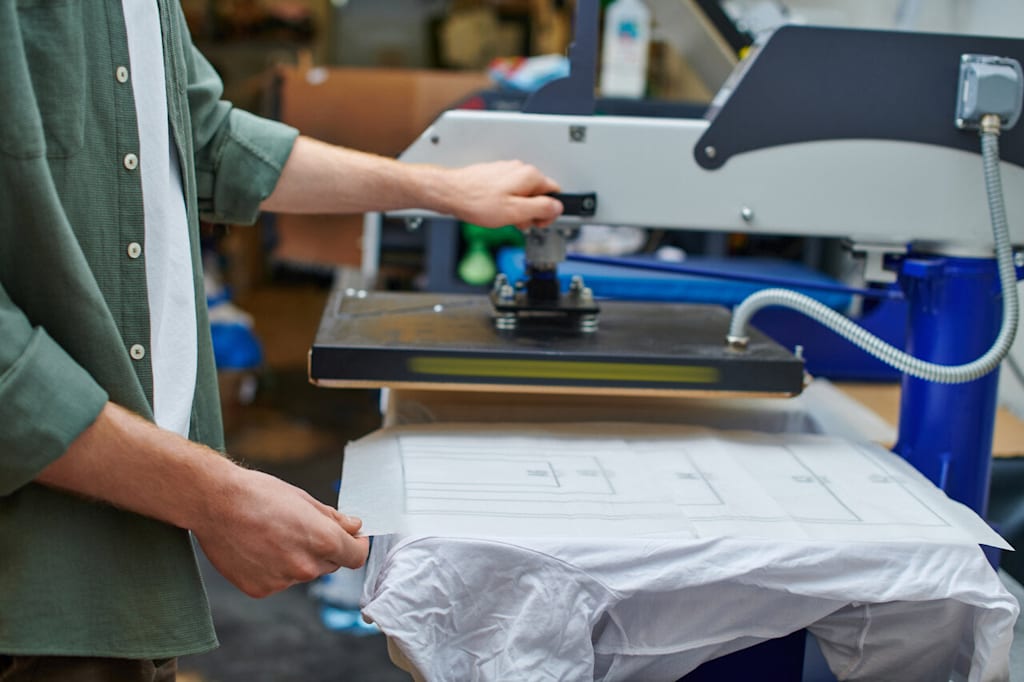
The textile printing industry has experienced significant technological advancements over the last decade. Among the most notable innovations is Direct-to-Film (DTF) printing, a method that has transformed how businesses and individuals create custom apparel and fabric-based products. As consumer demand for personalized clothing continues to rise, DTF technology has become an increasingly important part of the digital textile printing landscape.
According to information about digital textile printing, modern printing methods allow designs to be transferred directly onto fabrics through digital processes, improving efficiency, customization options, and production flexibility. A dtf printing machine represents one of the latest developments in this evolving industry, offering a practical solution for printing vibrant designs on various fabric types.
What Is DTF Printing?
DTF, or Direct-to-Film printing, is a process where designs are printed onto a special transfer film before being applied to fabric using heat and pressure. Unlike traditional screen printing, which often requires multiple setup stages and separate screens for each color, DTF printing allows complex full-color designs to be produced digitally.
The process generally involves printing a design onto a transparent film, applying adhesive powder to the printed image, curing the adhesive, and then transferring the design onto a garment using a heat press. This workflow enables detailed artwork, gradients, and photographic images to be reproduced with impressive accuracy.
One reason DTF technology has gained attention is its versatility. It can be used on cotton, polyester, blends, and many other textile materials without requiring extensive fabric-specific preparation.
How DTF Differs from Other Printing Methods
Several printing technologies are commonly used in the apparel industry, including screen printing, heat transfer vinyl, sublimation, and direct-to-garment (DTG) printing. Each method serves different production requirements.
Screen printing remains a preferred option for large-volume orders due to its cost efficiency at scale. However, setup costs and preparation time can make it less practical for smaller custom orders.
Sublimation printing produces excellent results on polyester fabrics but is generally unsuitable for dark garments or natural fibers such as cotton.
DTG printing allows direct printing onto garments and is often used for detailed designs. However, some users find that DTF printing provides greater flexibility across a wider range of fabric types.
As a result, many businesses exploring garment customization technologies often compare different systems when selecting the best dtf printer for small business operations and production requirements.
Applications in the Apparel Industry
DTF printing is increasingly used in custom apparel production due to its adaptability and ability to support both small and medium-sized print runs.
Common applications include:
- Custom t-shirts
- Hoodies and sweatshirts
- Sports uniforms
- Promotional merchandise
- Corporate apparel
- Tote bags and accessories
- Personalized fashion products
Because designs can be printed and stored on transfer films before application, businesses gain greater flexibility in inventory management and order fulfillment.
The technology is especially valuable in print-on-demand environments, where products are only produced after a customer places an order. This approach helps reduce excess inventory while enabling businesses to offer a larger variety of design options.
Benefits for Small and Medium Enterprises
The growth of customized products has created new opportunities for entrepreneurs and small manufacturers. Many businesses entering the apparel market seek equipment that balances quality, versatility, and operational efficiency.
A modern DTF Printer Factory typically manufactures systems designed to support varying production scales, from small workshops to larger commercial operations.
For small businesses, DTF printing offers several practical advantages:
Lower Setup Complexity
Compared to traditional screen printing, DTF workflows generally require fewer preparation steps. This can make it easier to handle short-run orders and customized products.
Broad Fabric Compatibility
DTF transfers can adhere to many textile types, reducing the need for multiple specialized printing systems.
Detailed Image Reproduction
Digital workflows allow intricate artwork, gradients, and photographic elements to be reproduced with high levels of detail.
On-Demand Production
Businesses can produce products as orders arrive, reducing storage costs and minimizing waste.
Factors Influencing Print Quality
While DTF printing provides many advantages, achieving consistent results depends on several factors.
Film Quality
The transfer film plays a critical role in image clarity and transfer performance. Poor-quality films may affect color accuracy or durability.
Ink Performance
Specialized pigment inks are designed to work with DTF systems. Proper ink selection contributes to color vibrancy and longevity.
Adhesive Application
Uniform adhesive powder coverage helps ensure reliable bonding between the transferred image and the fabric.
Heat Press Settings
Temperature, pressure, and pressing duration must be carefully controlled to achieve optimal transfer results.
Maintaining equipment and following manufacturer recommendations also helps improve consistency across production batches.
The Future of DTF Printing
As digital manufacturing continues to evolve, DTF printing is expected to remain a significant technology within the custom apparel sector. Improvements in printhead technology, software automation, color management systems, and eco-friendly inks may further enhance production capabilities.
Growing consumer demand for personalized products is also likely to drive continued adoption of digital textile printing methods. Businesses increasingly seek flexible solutions that allow them to respond quickly to changing market trends and customer preferences.
DTF printing addresses many of these requirements by combining digital design flexibility with compatibility across diverse textile materials. While no single printing method is suitable for every application, DTF technology has established itself as an important option for modern apparel production.
As the textile industry continues embracing digital transformation, DTF printing will likely play an increasingly influential role in helping businesses deliver customized products efficiently and creatively.
About the Creator
Roy
I am a professional content writer.
Enjoyed the story? Support the Creator.
Subscribe for free to receive all their stories in your feed.
Comments
There are no comments for this story
Be the first to respond and start the conversation.