
Uber Hit with €825 Million Fine Over Automated Driver Deactivations in Landmark GDPR Ruling
The Dutch data protection regulator says the ride-hailing giant made automated decisions about drivers' livelihoods without sufficient human oversight a ruling Uber strongly disputes.

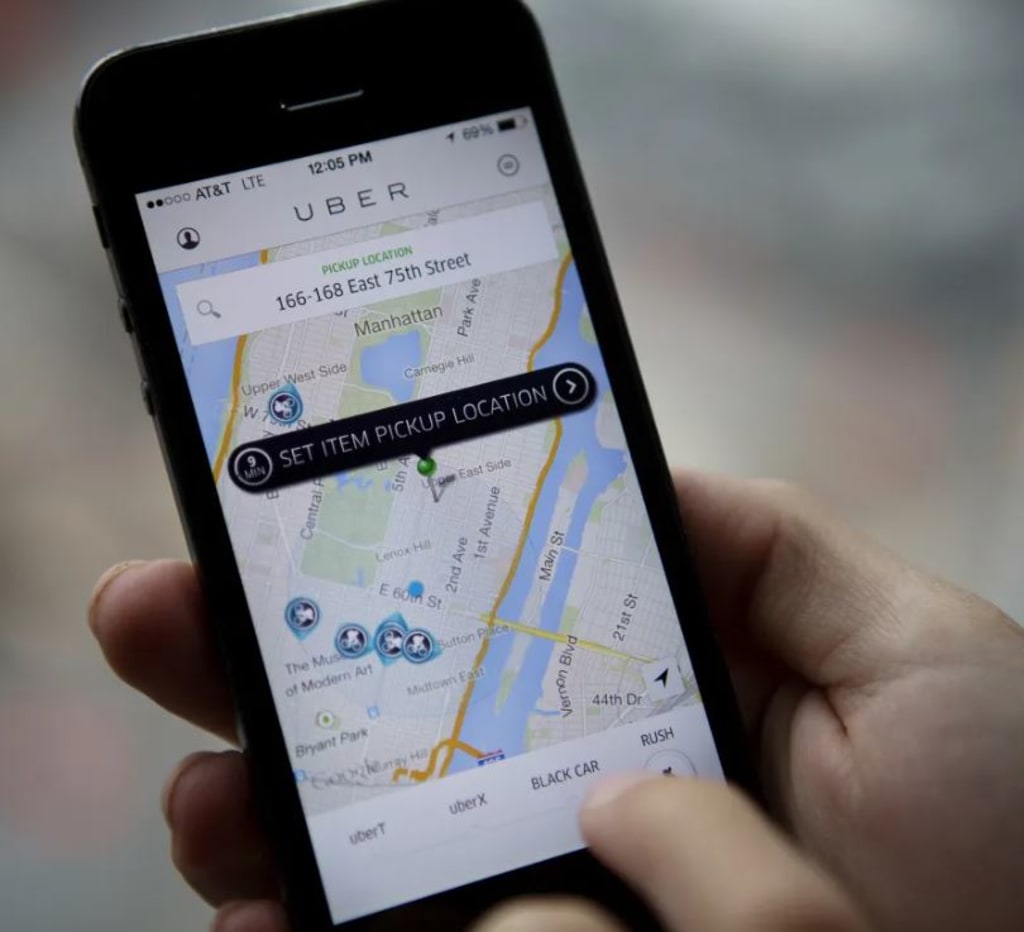
The Dutch Data Protection Authority is fining Uber €825 million (around $966 million), the second-largest penalty issued so far under Europe's General Data Protection Regulation, according to Reuters. The Dutch regulator was investigating complaints that Uber had deactivated driver accounts through an automated process without sufficient warning or human oversight. In a statement, deputy chair Monique Verdier said that the company had "committed serious infringements." "A computer should not make decisions on its own that have [such] major consequences," Verdier said.
Uber, however, argued that most driver suspensions are brief, that no permanent deactivations take place without human review, and that drivers have the ability to appeal. Dutch regulators said some drivers were permanently deactivated without human review, which Uber disputes. The company said it will appeal the decision. "We strongly disagree with this decision and disproportionate fine," an Uber spokesperson told Reuters.
The Driver Behind the Complaint
Brahim Ben Ali, a former Uber driver in France, told the Dutch newspaper de Volkskrant that after his account was deactivated in 2019, he collected testimonies from 170 other Uber drivers and eventually brought his complaint to the Netherlands, where Uber's European headquarters are located. Ben Ali was assisted in this effort by a Swiss nonprofit focused on digital rights called PersonalData.io, which helped the drivers collect data about how the deactivation decisions were made. Founder Paul-Olivier Dehaye said a driver "can complete a thousand journeys with satisfied passengers, but if just one person reports a very serious problem, the consequences can be enormous."
Dehaye told me that this is the third fine that the Dutch regulator has levied on Uber, following a €290 million fine over its handling of drivers' personal data and a €10 million fine stemming from related issues. He also said he plans to start a class action suit through which drivers can seek compensation. In fact, Dehaye said these fines all originate with complaints made by the same group of drivers. And he's starting a new company called StartClaims to support the litigation and other regulatory action first against Uber and then eventually expanding to other gig economy cases, as well as related areas like adtech.
The Debate Over Automation and Accountability
While discussing the case with Dehaye, I brought up a blog post by Daring Fireball's John Gruber, in which Gruber worried that this fine makes it "unlawful in the EU for Uber to monitor its drivers for pulling scams against customers, or just never picking riders up, leaving them stranded." Gruber also took issue with Verdier's statement, arguing, "Saying that 'a computer' made these decisions is like saying that when a company suspends or fires a habitually late employee, that 'the time clock' made the decision. Managers at the company set the policies, and the devices measure employee compliance."
Dehaye countered that Gruber "misses the point." "Uber is free to use humans to punish drivers who scam, but then [it] has to take responsibility for this decision-making (like 'being an employer', not 'being a marketplace')," he said.
The Broader Implications for the Gig Economy
The ruling against Uber is the latest in a series of regulatory actions targeting gig economy companies in Europe. It underscores the growing tension between the business models of platform-based companies and the rights of workers who rely on them for their livelihoods.
For Uber, the fine is another reminder of the regulatory challenges it faces in Europe. The company has already made significant changes to its operations in response to previous rulings, including reclassifying some drivers as employees in certain countries. However, the Dutch regulator's decision suggests that more changes may be required.
The case also highlights the broader debate over the use of algorithmic decision-making in the workplace. As AI and automated systems become more prevalent, questions about accountability, transparency, and the right to human review are likely to intensify.
Uber has said it will appeal the decision, which means the final resolution of this case could take years. In the meantime, the Dutch regulator's ruling will likely serve as a warning to other companies that rely on automated decision-making to manage their workforces.
Dehaye's plans to launch a class action suit and a new company to support litigation suggest that the fight is far from over. For Uber, the battle over driver rights and algorithmic accountability is likely to continue for the foreseeable future.
As the debate over automation and accountability continues to evolve, one thing is clear: the decisions made by regulators and courts in cases like this will shape the future of the gig economy and the rights of workers who depend on it.
About the Creator
Mark Lim
Hi I am mark an automotive student and a car, tech and food enthusiast ! Im gonna try and post daily & hope you enjoy what I write and do share my page with people you know. I would gladly appreciate it! Cheers
Enjoyed the story? Support the Creator.
Subscribe for free to receive all their stories in your feed.
Comments
There are no comments for this story
Be the first to respond and start the conversation.