

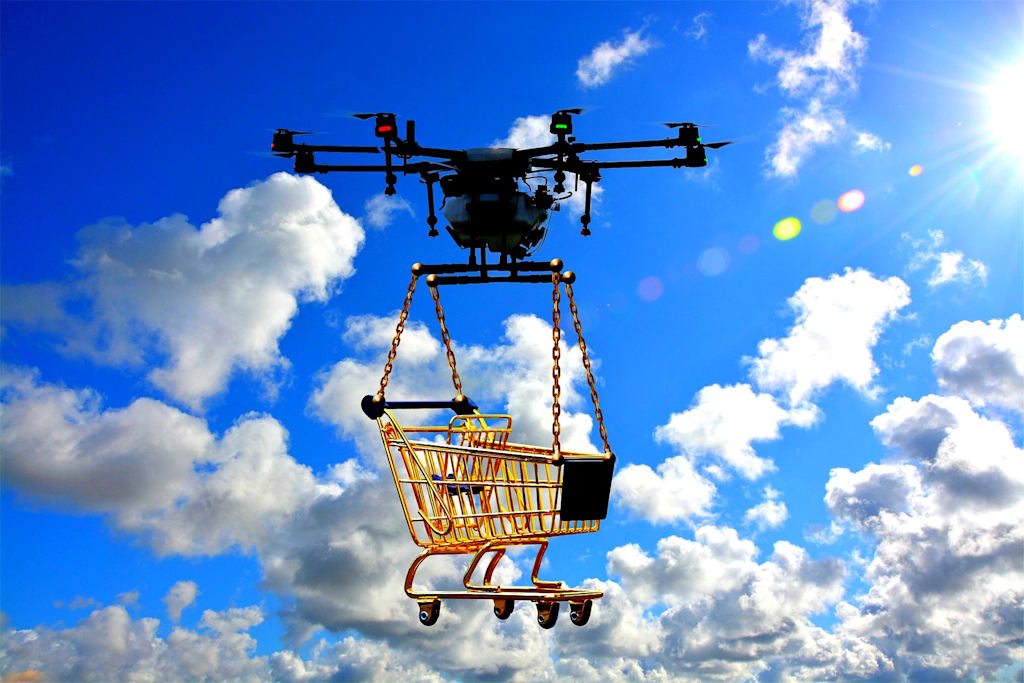
Why Drones Matter More Than Ever
Modern drones have evolved far beyond remote-control toys. Today’s consumer drones combine advanced stabilization systems, GPS-assisted navigation, obstacle sensing, autonomous flight modes, and professional-grade cameras into compact flying platforms. They are now widely used for filmmaking, photography, surveying, inspections, emergency response, and recreational flying.
Even beginner drones now include features that once belonged only to high-end professional systems. Automatic return-to-home functions, collision avoidance sensors, stable hover systems, and smartphone integration make them significantly easier and safer to operate than older models.
Premium drones can now shoot stabilized 4K, 6K, or even 8K footage that rivals dedicated cinema equipment. Meanwhile, lightweight entry-level drones remain affordable enough for casual users who simply want to experiment with aerial photography or capture travel footage.
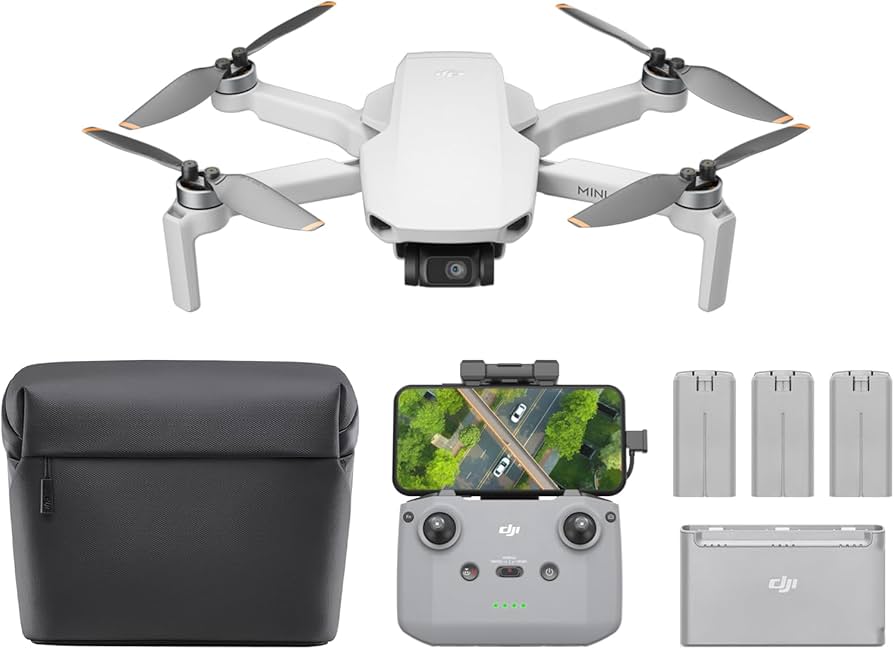
1. Best Overall: DJI Mini 4K Drone
The DJI Mini 4K stands out as the best overall drone because it balances image quality, flight stability, affordability, and ease of use exceptionally well. It features a stabilized 4K camera mounted on a three-axis gimbal that produces smooth footage even in windy conditions. The drone can reach speeds exceeding 35 mph and maintains strong flight stability thanks to onboard GPS and advanced stabilization software.
One major advantage is battery endurance. The combo package includes two batteries, allowing for more than an hour of combined flight time. That extended runtime makes it practical for travel photography, outdoor filming, and learning to fly without constantly needing to recharge.
The Mini 4K also offers impressive range and strong automatic safety systems. If signal is lost, the drone can automatically return to its launch location and land safely. The only notable drawback is that the drone relies entirely on its dedicated remote controller rather than offering full smartphone-only control.
Key Specs
* Camera: 4K/60 fps video, 48-MP photos
* Flight Time: 31 minutes per battery, 62 minutes total
* Top Speed: 35 mph
* Range: 3.7 miles
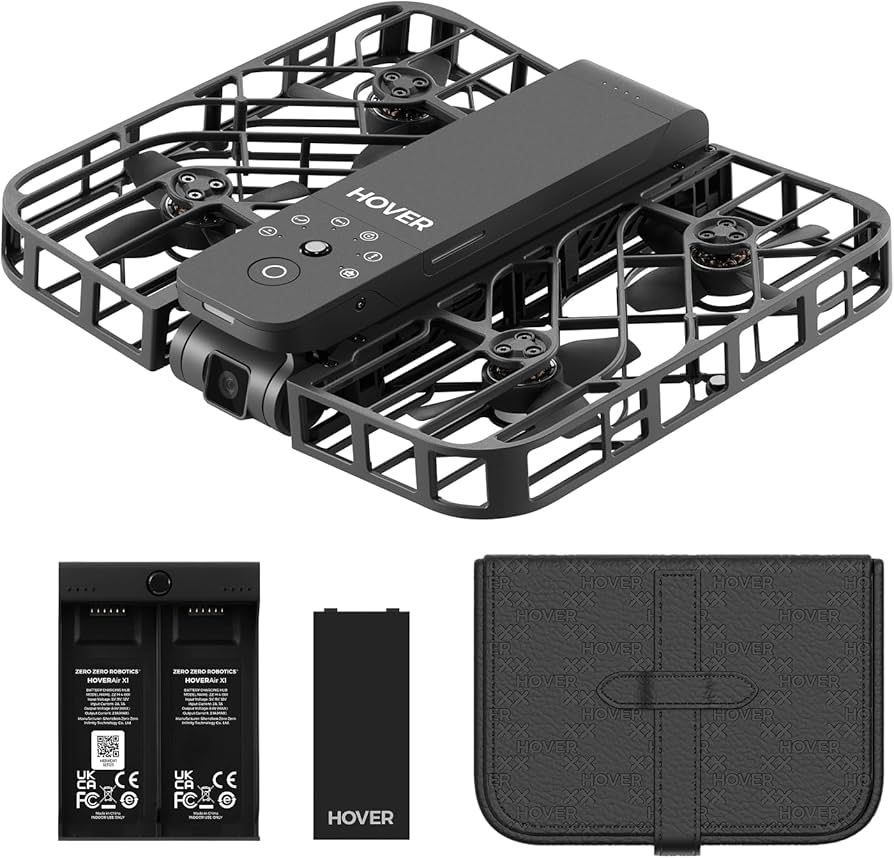
2. Best Value: Hoverair X1
The Hoverair X1 focuses on simplicity, portability, and fun. Folded up, it can fit in a pocket, making it one of the easiest drones to carry anywhere. Instead of emphasizing manual piloting skills, the X1 leans heavily into autonomous filming modes that automatically follow the user.
The drone includes seven automated flight modes that can track users while walking, biking, or running. During testing, it reliably followed moving subjects and safely landed if it lost visual tracking. Its obstacle avoidance system is basic compared to larger drones, but it still helps prevent simple crashes.
The camera quality is comparable to a modern smartphone, making it more than adequate for casual video content, travel clips, and social media use. While it lacks the advanced maneuverability and cinematic capabilities of larger drones, it delivers an approachable and enjoyable experience for beginners.
Key Specs
* Camera: 2.7K at 30 fps, 12-MP photos
* Flight Time: 11 minutes
* Top Speed: 15 mph
* Range: 3.1 miles
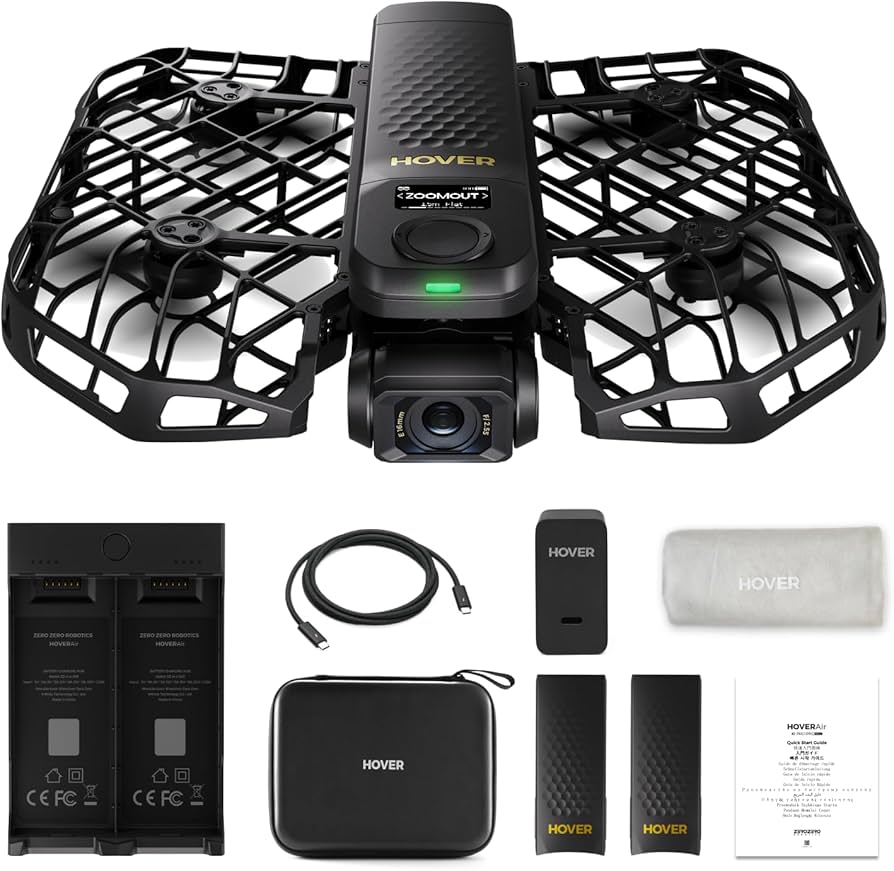
3. Best Portable: Hoverair X1 Promax
The Hoverair X1 Promax builds on the strengths of the standard X1 while adding stronger cameras, improved durability, and more advanced autonomous flight capabilities. Its foldable design makes it exceptionally portable for travelers, cyclists, skiers, and outdoor creators.
One standout feature is its library of 15 programmed flight patterns. These automated movements allow users to create dynamic cinematic footage without requiring advanced piloting experience. The drone can smoothly orbit subjects, follow riders, and execute advanced tracking shots automatically.
The Promax is also built from a highly elastic protective material that bends under impact rather than cracking easily. This improves durability and makes crashes less stressful for inexperienced pilots.
Despite its compact size, the drone can shoot 8K footage. However, battery life remains somewhat limited, and the maximum frame rate is capped at 30 fps.
Key Specs
* Camera: 8K at 30 fps
* Flight Time: 16 minutes
* Top Speed: 26 mph
* Range: 3.1 miles
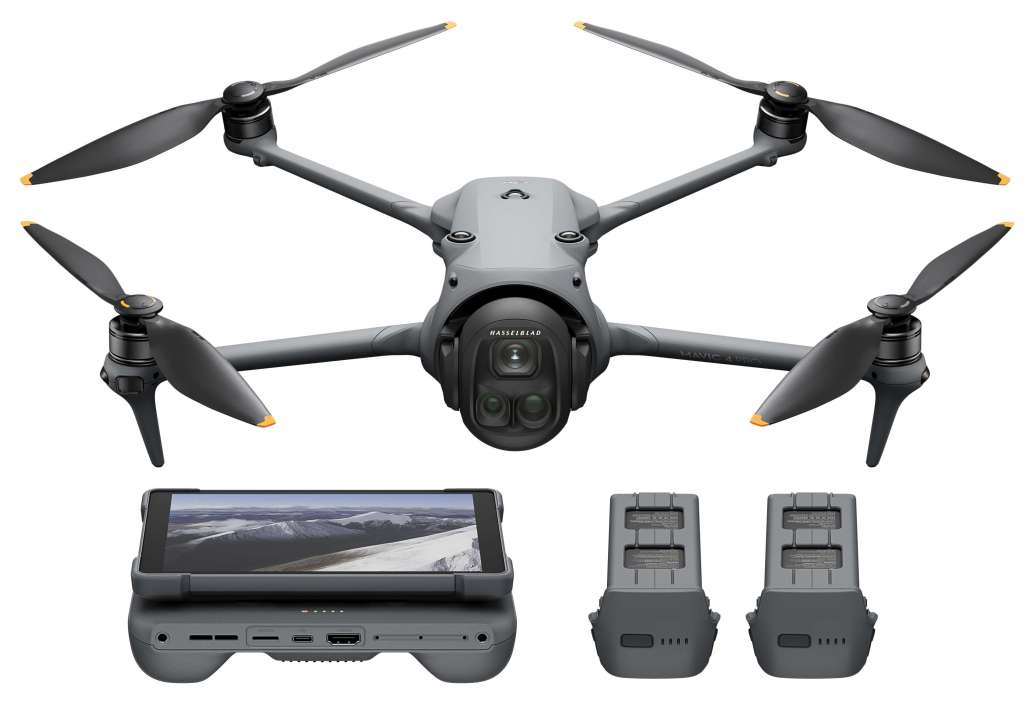
4. Best for Videographers: DJI Mavic 4 Pro Creator Combo
The DJI Mavic 4 Pro Creator Combo targets professional creators and serious aerial videographers. It delivers the highest-end camera system on this list alongside extremely long flight endurance and advanced stabilization technology.
The drone features a tri-camera setup with multiple focal lengths designed for wide cinematic shots, portrait framing, and distant telephoto capture. DJI claims the system can shoot 6K video at 60 fps, placing it among the most capable consumer drones available.
Flight performance is equally impressive. The Mavic 4 Pro can remain airborne for over 50 minutes and travel more than 25 miles on a single flight session under ideal conditions. It also includes advanced obstacle sensing systems and a rotating gimbal capable of unusual camera angles.
The Creator Combo package includes multiple batteries, a charging station, a carrying case, and DJI’s RC Pro 2 controller. The high price means it is best suited for professionals rather than casual hobbyists.
Key Specs
* Camera: 6K/60 fps, triple-camera system
* Flight Time: 51 minutes
* Top Speed: 50 mph
* Range: 25.5 miles
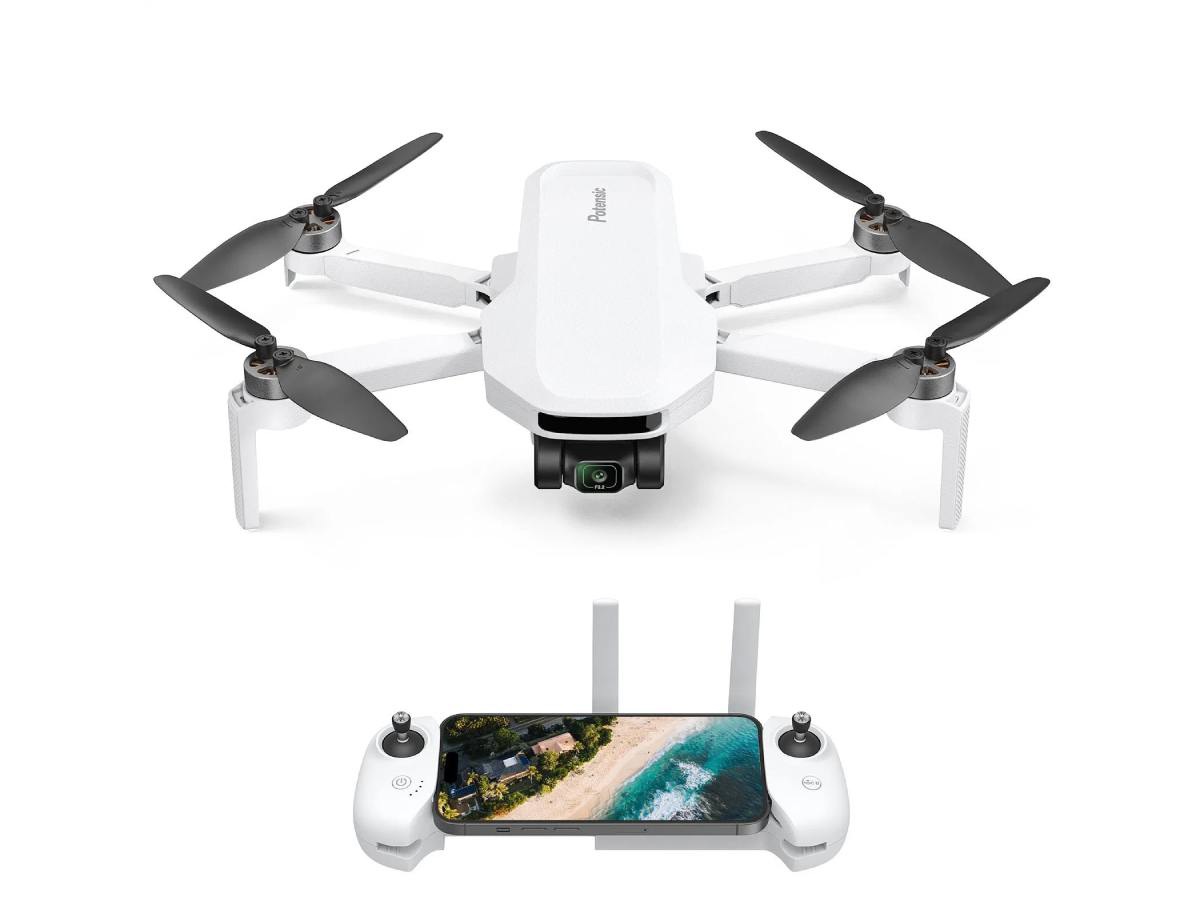
5. Best Camera for the Price: Potensic Atom 2
The Potensic Atom 2 delivers impressive image quality at a relatively affordable price point. Its strongest feature is the combination of a responsive controller and sharp 4K video capture.
The controller integrates directly with a smartphone, using the phone screen as a live video monitor while maintaining physical joystick controls. During testing, the low-latency connection made flying feel responsive and intuitive, even when the drone moved out of direct line of sight.
The Atom 2’s compact foldable body also makes transportation easy. The drone, controller, and spare batteries all fit neatly into a carrying case, making it practical for travel and casual outdoor use.
Its biggest weakness is physical durability. The outer shell feels somewhat fragile compared to more rugged competitors, meaning rough crashes could potentially cause damage more easily.
Key Specs
* Camera: 4K at 30 fps, 48-MP photos
* Flight Time: 32 minutes
* Top Speed: 35.8 mph
* Range: 6.2 miles
How Popular Mechanics Tested These Drones
The testing process combined hands-on flying, real-world obstacle navigation, camera evaluation, and durability testing. Drones were flown in both urban and outdoor environments to evaluate maneuverability, responsiveness, GPS stability, and video quality.
Testers evaluated:
* Ease of setup and learning curve
* Camera sharpness and stabilization
* Smartphone and controller integration
* Obstacle handling around trees, corners, and tight spaces
* Flight stability in changing conditions
* Battery endurance
* Crash resistance and recovery
The team also consulted experienced drone operators, including commercial pilots and aerial imaging professionals. These experts contributed insight on real-world drone performance, safety systems, and practical usability.
Important Industry Changes
The consumer drone market faces uncertainty following an FCC decision made on December 22, 2025. Foreign-made drones were added to the FCC’s “covered” list of electronics, limiting future releases from several major manufacturers in the United States.
Because most hobbyist drones are currently produced by Chinese companies, this policy could significantly affect future drone availability and competition. Existing models remain widely available for now, but industry observers expect changes in the consumer drone landscape over the next several years.

What Makes a Great Drone
The best drones combine several key characteristics:
Stability and GPS
Modern drones use onboard GPS and stabilization systems to maintain position accurately, return home automatically, and remain controllable in windy conditions.
Camera Quality
Higher-end drones now rival professional cameras with stabilized 4K, 6K, and 8K recording. Gimbal stabilization is critical for smooth cinematic footage.
Obstacle Avoidance
Advanced sensors help drones detect and avoid trees, walls, power lines, and other hazards. This greatly reduces crashes for beginners.
Flight Time
Battery endurance remains one of the biggest differentiators between models. Entry-level drones often fly for 10–20 minutes, while premium models can exceed 45 minutes.
Portability
Foldable designs allow drones to fit into backpacks or even pockets, making them much easier to travel with.
Ease of Use
Automated flight modes, app integration, beginner controls, and return-to-home systems make flying more accessible than ever before.
About the Creator
History Seeker
I like the metal music I like the good food and the history...
Enjoyed the story? Support the Creator.
Subscribe for free to receive all their stories in your feed.
Comments
There are no comments for this story
Be the first to respond and start the conversation.