
Threads of Identity: How Jerseys Reflect Culture, Community, and Pride
A closer look at how jerseys connect sports, identity, and everyday culture.

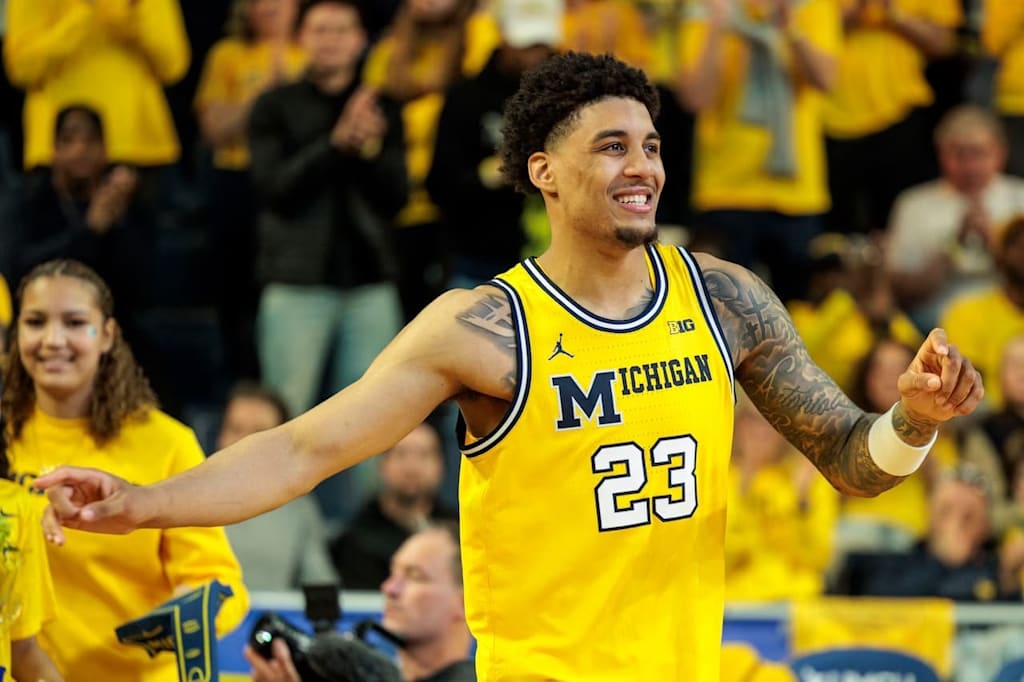
Clothing has always been more than just fabric—it tells stories, signals belonging, and expresses identity. Among the many forms of apparel, jerseys stand out as uniquely symbolic. Whether worn on the field, in the stands, or on city streets, jerseys bridge the gap between sport, culture, and personal expression.
At first glance, a jersey may seem like a simple uniform. Yet, its meaning runs much deeper. From amateur leagues to global championships, jerseys carry the weight of teams, histories, and communities. The rise of the Stitched jersey reflects a growing appreciation for quality and authenticity. Unlike mass-produced prints, stitched designs emphasize durability and craftsmanship, echoing the seriousness with which fans and athletes alike treat the game.
The Evolution of Jerseys in Sports Culture
Historically, jerseys were designed for function—lightweight, breathable, and easy to identify. Over time, they evolved into powerful symbols. Numbers became associated with legends, colors became tied to cities, and designs became iconic.
In basketball, for example, jerseys represent more than teams; they represent eras. A college or professional jersey can remind fans of unforgettable plays, championship runs, or rising stars. The growing interest in items like a Michigan Basketball Jersey shows how collegiate sports have cultivated their own dedicated following. Fans wear these jerseys not only to support a team but also to feel connected to a larger narrative of competition and achievement.
What makes jerseys particularly fascinating is how they blur the line between sportswear and everyday fashion. It’s no longer unusual to see people pairing jerseys with casual outfits, turning athletic gear into streetwear statements.
City Identity and the Meaning Behind “City Jerseys”
In recent years, the concept of the City Jersey has gained attention. These designs often go beyond traditional team colors, incorporating elements that reflect the heritage, architecture, or culture of a specific place. They serve as wearable tributes to the communities that teams represent.
Take, for instance, the cultural richness associated with places like Jersey City, New Jersey. Known for its diversity and urban character, Jersey City has influenced how “city-themed” apparel is perceived—rooted in identity, shaped by people, and reflective of shared experiences. A City Jersey, in this sense, becomes more than merchandise; it becomes a visual narrative of a place and its people.
This shift highlights a broader trend: fans increasingly value storytelling. They want jerseys that say something meaningful, whether it’s about a hometown, a historical moment, or a cultural movement.
Craftsmanship and the Appeal of Authenticity
The difference between a standard jersey and a stitched one might seem minor, but it carries significant meaning. A stitched jersey represents attention to detail and a commitment to quality. For many fans, this matters because it mirrors the dedication they feel toward their teams.
Authenticity has become a central theme in modern consumer culture. People are more aware of how things are made and what they represent. Jerseys, especially those with stitched elements, offer a sense of permanence in a world of fast fashion. They’re built to last—not just physically, but emotionally as well.
This emphasis on authenticity also ties into the way fans connect with players. Wearing a jersey associated with a particular athlete or team can feel like sharing in their journey, their victories, and even their struggles.
Beyond the Game: Jerseys as Cultural Symbols
Jerseys have transcended sports to become part of broader cultural conversations. They appear in music videos, fashion runways, and social media trends. Artists, influencers, and everyday individuals use jerseys to express identity, nostalgia, and even rebellion.
In many ways, jerseys function as modern-day uniforms of belonging. They can signal loyalty to a team, pride in a city, or appreciation for a specific style. This versatility is what makes them so enduring.
At the same time, jerseys invite inclusivity. You don’t need to be an athlete to wear one, nor do you need to attend games regularly. Simply wearing a jersey can make someone feel part of a larger community.
Conclusion: More Than Just Fabric
Jerseys are far more than pieces of clothing. They are symbols of identity, craftsmanship, and cultural connection. Whether it’s a carefully made Stitched jersey, a team-specific piece like a Michigan Basketball Jersey, or a creatively designed City Jersey, each one tells a story.
As sports and culture continue to evolve, jerseys will remain a constant—adapting to new trends while preserving the traditions that make them meaningful. In every stitch, color, and design, they carry the essence of teams, cities, and the people who wear them.
About the Creator
Enjoyed the story? Support the Creator.
Subscribe for free to receive all their stories in your feed.
Comments
There are no comments for this story
Be the first to respond and start the conversation.