
The Role of OBD Integration in Improving Vehicle Performance and Maintenance
Comprehensive vehicle OBD integration services are tailored to meet your specific needs, ensuring optimal performance, reduced costs, and enhanced safety for your vehicles.
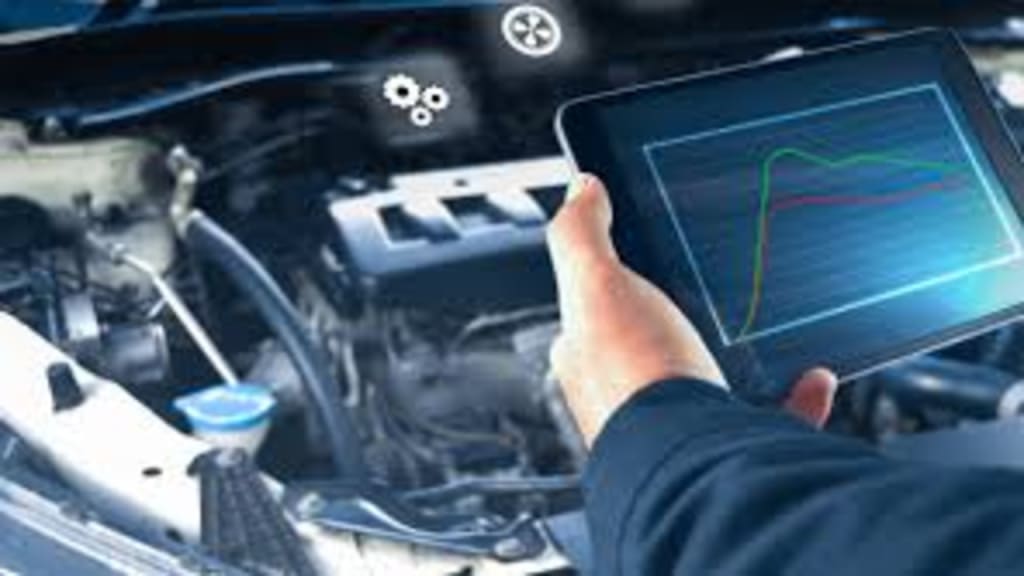
In today’s fast-paced world, maintaining vehicle performance and ensuring regular upkeep are crucial for both personal and commercial vehicles. One technology that has significantly contributed to this is vehicle OBD integration services. On-Board Diagnostics (OBD) systems have been around for decades, but integrating them with advanced software solutions has transformed how we monitor, manage, and maintain vehicles. This blog will explore how OBD integration plays a vital role in enhancing vehicle performance and maintenance, ensuring smoother operations and reduced costs for fleet managers and individual vehicle owners alike.
What is Vehicle OBD Integration?
On-Board Diagnostics (OBD) is a system that allows the monitoring of a vehicle’s engine and other systems through a standardized interface. Initially developed to monitor emissions, OBD systems now provide comprehensive data on various aspects of a vehicle’s health, including engine performance, fuel efficiency, and even real-time fault diagnostics.
Vehicle OBD integration services go a step further by connecting OBD systems to software platforms, enabling seamless data analysis, remote monitoring, and real-time alerts. This integration has proven to be a game-changer for vehicle maintenance, fleet management, and overall performance improvement.
How OBD Integration Improves Vehicle Performance?
One of the key benefits of vehicle OBD integration services is the ability to monitor and enhance performance. Here’s how:
- Real-Time Monitoring and Diagnostics
Vehicle OBD integration provides real-time access to critical data such as engine temperature, RPM, fuel efficiency, and battery health. This allows vehicle owners and fleet managers to identify and address potential issues before they become serious problems, leading to optimized performance and prolonged vehicle life.
- Enhanced Fuel Efficiency
Fuel consumption is a significant concern for any vehicle owner, especially those managing fleets. OBD integration enables constant monitoring of fuel levels and consumption patterns, helping identify inefficiencies. By analyzing this data, fleet managers can make adjustments to driving behaviors or routes to improve fuel economy.
- Optimized Engine Performance
OBD systems can detect engine issues that might not be immediately noticeable. With integrated services, data from the OBD system can be used to adjust engine settings or notify drivers of maintenance needs. This proactive approach helps in maintaining optimal engine performance, reducing the risk of breakdowns, and extending engine life.
The Role of OBD Integration in Vehicle Maintenance
Effective maintenance is essential for keeping vehicles running smoothly, and vehicle OBD integration services play a crucial role in this regard:
- Predictive Maintenance
One of the standout features of OBD integration is its ability to predict when maintenance is needed. By continuously monitoring vehicle performance, these systems can identify patterns and predict when a component might fail. This helps in scheduling timely repairs, reducing downtime, and avoiding costly emergency fixes.
- Immediate Fault Detection
Traditional methods of identifying vehicle faults often involve manual inspections, which can be time-consuming and inaccurate. With vehicle OBD integration services, faults can be detected in real-time, and alerts are sent immediately. This allows for quick troubleshooting and repairs, minimizing the impact on vehicle operation.
- Comprehensive Maintenance Records
Integrated OBD systems maintain a comprehensive record of a vehicle’s health, performance, and maintenance history. This data is invaluable for fleet managers who need to track multiple vehicles, schedule maintenance, and ensure that all vehicles are in top condition. Having access to detailed records also simplifies compliance with safety and emissions regulations.
The Benefits of Vehicle OBD Integration Services for Fleet Managers
Fleet managers face the challenge of maintaining multiple vehicles while ensuring that operations run smoothly and efficiently. Vehicle OBD integration services offer numerous benefits for fleet management:
- Efficient Fleet Monitoring
- Cost Savings
With integrated OBD systems, fleet managers can monitor the health and performance of all vehicles from a single dashboard. This makes it easy to identify which vehicles need maintenance, track fuel consumption, and optimize routes, leading to overall improved fleet efficiency.
By enabling predictive maintenance and reducing fuel consumption, OBD integration helps cut down on costs. Identifying issues early means less frequent and less expensive repairs, while improved fuel efficiency translates to lower fuel bills.
- Enhanced Driver Safety
Vehicle OBD integration services also monitor driver behavior, such as speed, braking patterns, and acceleration. Fleet managers can use this data to identify unsafe driving habits and provide training to improve safety standards. Safe driving not only reduces the risk of accidents but also improves vehicle longevity.
Future Trends in Vehicle OBD Integration Services
The future of vehicle OBD integration services looks promising, with several emerging trends set to enhance the way we manage and maintain vehicles:
- Integration with AI and Machine Learning
As AI and machine learning continue to advance, OBD systems will become more intelligent. These technologies will enable even more precise diagnostics, predictive maintenance, and automated responses to detected issues.
- IoT and Cloud Connectivity
The Internet of Things (IoT) allows devices to communicate with each other, and OBD systems are no exception. Future OBD integration services will leverage IoT to provide even more comprehensive vehicle monitoring, connecting vehicles to cloud platforms for data storage, analysis, and real-time updates.
- Autonomous Vehicle Diagnostics
As autonomous vehicles become more common, OBD integration will play a crucial role in ensuring their safe operation. These systems will continuously monitor vehicle health and performance, ensuring that autonomous vehicles can operate without manual intervention.
Conclusion
Vehicle OBD integration services are transforming the way we manage vehicle performance and maintenance. From real-time diagnostics to predictive maintenance, OBD integration offers several advantages that help improve efficiency, reduce costs, and enhance safety. Whether you’re an individual vehicle owner or managing a fleet, integrating OBD systems into your vehicles can lead to significant improvements in performance and reliability.
About the Creator
Enjoyed the story? Support the Creator.
Subscribe for free to receive all their stories in your feed.
Comments
There are no comments for this story
Be the first to respond and start the conversation.