
The Role of Artificial Intelligence and Machine Learning in Enterprise Mobility
The Function of Machine Learning and Artificial Intelligence in Enterprise Mobility

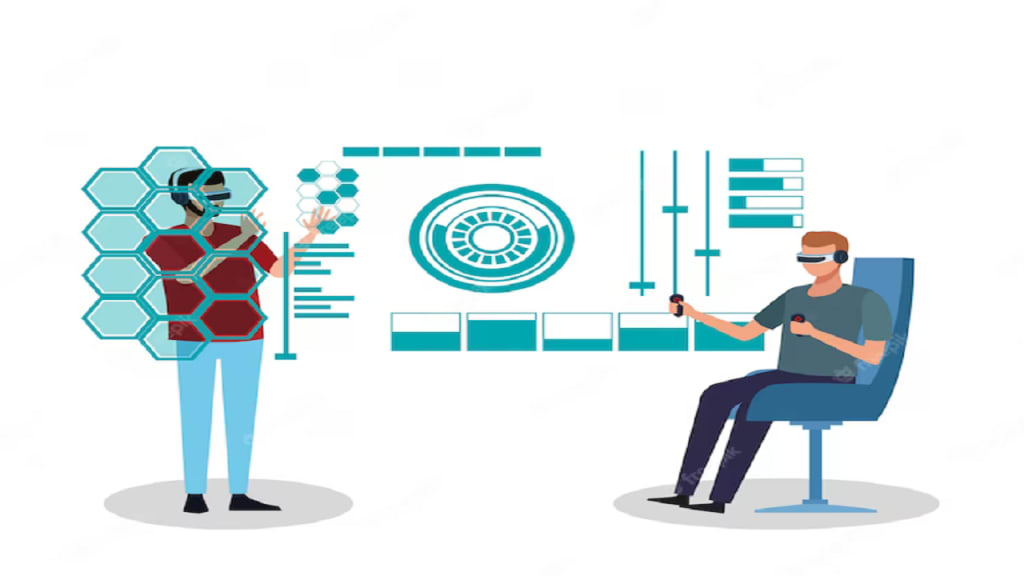
The digital revolution has transformed the way businesses operate, and enterprise mobility plays a pivotal role in this transformation.
With the widespread adoption of smartphones, tablets, and other portable devices, employees can now access corporate resources and data from anywhere at any time. This increased mobility has led to enhanced productivity and efficiency.
However, as the volume of data generated continues to surge, managing and harnessing this data becomes increasingly challenging.
This is where Artificial Intelligence (AI) and Machine Learning (ML) come into play. In this article, we will explore the critical role of AI and ML in the realm of enterprise mobility.
Data Management and Analysis
One of the primary challenges in enterprise mobility is handling vast amounts of data generated by mobile devices. AI and ML can automate data management processes, ensuring efficient data storage, retrieval, and analysis. AI-driven data analytics can provide valuable insights from the collected data, enabling businesses to make informed decisions based on real-time information.
For example, AI algorithms can analyze user behavior patterns within mobile applications to identify areas of improvement, enhance user experience, and optimize business processes. ML can also identify anomalies in mobile device data, helping detect potential security breaches and mitigating risks.
Personalization and User Experience
User experience is a critical factor in determining the success of mobile applications and services. AI and ML technologies allow businesses to create personalized experiences for users based on their preferences, behavior, and historical interactions. By leveraging AI-driven recommendation systems, enterprises can tailor content and services to individual users, leading to higher user satisfaction and engagement.
Moreover, AI-powered chatbots and virtual assistants can enhance user experience by providing quick and relevant responses to user queries, resolving issues, and facilitating self-service options. These interactions can be contextually aware, making the mobile application feel more intuitive and user-friendly.
Predictive Maintenance and Support
In enterprise mobility, predictive maintenance plays a vital role in ensuring the smooth functioning of mobile devices and applications. AI and ML can predict potential hardware and software failures based on historical data and patterns, allowing IT teams to take proactive measures to prevent system downtime.
For instance, ML algorithms can analyze device sensor data to anticipate hardware failures in mobile devices. This enables timely repairs or replacements, reducing operational disruptions and increasing overall productivity.
Enhanced Security
Security remains a top concern in enterprise mobility, as mobile devices can be vulnerable to various threats. AI and ML can significantly strengthen security measures by detecting and preventing security breaches in real-time.
AI-powered authentication methods, such as facial recognition and voice biometrics, offer more robust and user-friendly alternatives to traditional password-based authentication. ML algorithms can analyze user behavior to detect suspicious activities and trigger additional security protocols, such as multi-factor authentication.
Furthermore, AI can bolster mobile app security by continuously monitoring applications for potential vulnerabilities and ensuring compliance with security standards.
Intelligent Automation
AI and ML can streamline business processes by enabling intelligent automation. Mobile applications can leverage AI to automate repetitive tasks, freeing up employees to focus on more strategic and value-added activities.
For instance, AI-driven workflow automation can help manage approvals, notifications, and data routing efficiently. This not only reduces manual intervention but also enhances process efficiency and reduces turnaround times.
Conclusion
The integration of Artificial Intelligence and Machine Learning into enterprise mobility has transformed the way businesses manage data, interact with users, and ensure security.
These technologies have become indispensable in optimizing user experience, streamlining operations, and gaining valuable insights from the massive volume of data generated by mobile devices.
As AI and ML continue to evolve, their impact on enterprise mobility will undoubtedly grow, enabling businesses to stay agile, competitive, and responsive in an increasingly mobile-driven world.
About the Creator
Garry Williams
Garry Williams is the CEO at "Developers Per Hour" an IT company and provides developers worldwide at hourly rate.
Enjoyed the story? Support the Creator.
Subscribe for free to receive all their stories in your feed.
Comments
There are no comments for this story
Be the first to respond and start the conversation.