
The Role and Responsibilities of a River Relocation Contractor
Understanding the Role and Responsibilities of a River Relocation Contractor

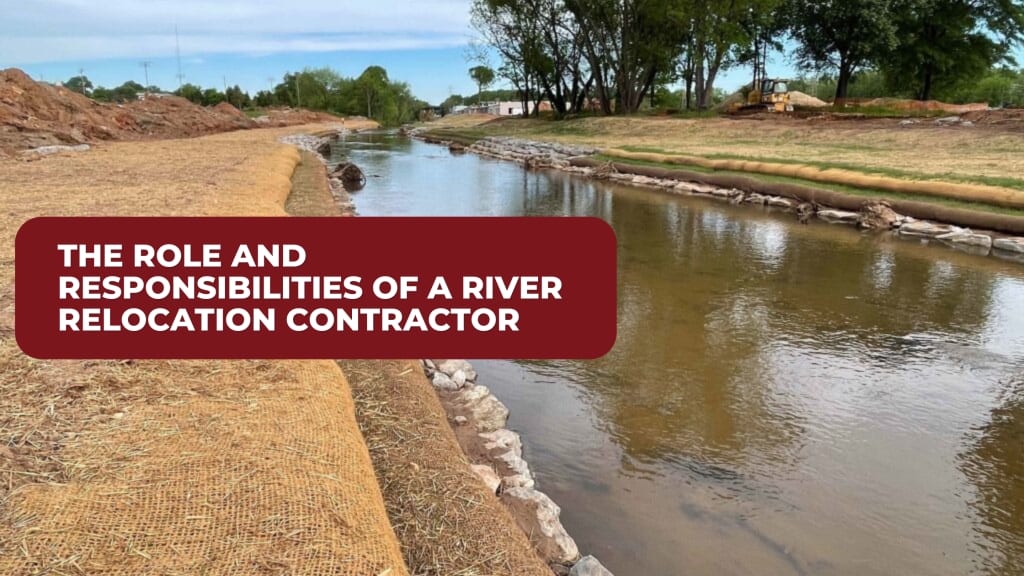
Rivers are nature's powerful sculptors, carving landscapes, nourishing ecosystems, and shaping the lives of communities. But what happens when a river's course threatens homes, infrastructure, or the environment itself? That's where a river relocation contractor steps in—a highly specialized professional working at the intersection of engineering, ecology, and environmental stewardship.
What Is a River Relocation Contractor?
A river relocation contractor is a specialist responsible for the planning, engineering, and execution of river relocation or restoration projects. These professionals work with government agencies, environmental organizations, and private developers to reroute or modify the flow of rivers for purposes such as:
- Preventing erosion and flooding
- Facilitating infrastructure projects (e.g., highways, bridges, or pipelines)
- Restoring natural habitats
- Supporting land development in flood-prone areas
This isn't just about moving water from point A to B—river relocation is a highly technical process that requires a deep understanding of hydrology, civil engineering, environmental regulations, and ecological balance.
Why River Relocation May Be Necessary
There are several reasons why a river might need to be redirected, restored, or reshaped:
1. Infrastructure Development
Projects like highways, railroads, or industrial parks sometimes intersect with natural waterways. Relocating a river section becomes necessary to make way for construction.
2. Flood Control and Erosion Prevention
Rivers that meander too close to roads, homes, or agricultural land can cause severe damage. Rerouting the river can help manage seasonal flooding and prevent soil erosion.
3. Environmental Restoration
In cases where rivers have been artificially constrained (e.g., by concrete channels), relocation may help restore a more natural, meandering flow that benefits aquatic habitats and biodiversity.
4. Climate Resilience
With climate change increasing the frequency of extreme weather events, river relocation can be part of broader watershed management strategies aimed at enhancing resilience.
Core Responsibilities of a River Relocation Contractor
Let's take a closer look at what a river relocation contractor actually does—from the planning stages to post-project monitoring.
1. Site Assessment and Environmental Impact Analysis
Before any digging starts, a thorough evaluation of the site is essential.
- Hydrological studies to understand water flow
- Soil and sediment analysis
- Biodiversity assessments (e.g., fish, amphibians, vegetation)
- Regulatory compliance checks (permits, zoning laws)
These early steps ensure the relocation won't create unintended ecological or infrastructural consequences.
2. Project Design and Planning
Once the assessment is complete, the contractor collaborates with engineers and environmental scientists to design a relocation plan that balances:
- Hydraulic performance
- Environmental sustainability
- Long-term Maintenance and stability
- Cost-effectiveness
This phase may include computer modeling of water flow, erosion simulations, and land contour mapping.
3. Obtaining Regulatory Permits
Any alteration to a natural watercourse usually requires permits from:
- U.S. Army Corps of Engineers
- Environmental Protection Agency (EPA)
- Local water resource boards or municipalities
A river relocation contractor ensures that the project complies with all applicable environmental laws, including the Clean Water Act, NEPA, and Endangered Species Act.
4. Project Execution
Once approvals are secured, the physical work begins:
- Diverting water flow temporarily using cofferdams or bypass channels
- Excavating a new riverbed
- Installing erosion control structures (e.g., riprap, gabions, vegetation)
- Realigning floodplains
- Reinforcing banks to prevent washouts
Execution demands precision, heavy equipment, and a strong knowledge of environmental best practices.
5. Post-construction monitoring and Maintenance
After relocation, the contractor monitors the site to:
- Ensure the river is stable and functioning as designed
- Assess wildlife return and vegetation regrowth
- Monitor sediment levels and water quality
- Address unforeseen issues like bank collapse or invasive species
This phase can last months or even years, depending on the scale of the project.
Key Skills and Tools Used by River Relocation Contractors
To be successful, a river relocation contractor must master a range of disciplines and tools:
Technical Skills
- Civil and environmental engineering
- Hydrology and hydraulics
- Geographic Information Systems (GIS)
- Environmental permitting
Soft Skills
- Project management
- Stakeholder communication
- Regulatory negotiation
- Problem-solving under pressure
Tools of the Trade
- Drones for aerial surveying
- CAD software for design
- Erosion control products (silt fences, bio-logs)
- Flow measurement devices
Challenges Faced by River Relocation Contractors
Working with nature is no easy feat. Common challenges include:
- Unpredictable weather delays
- Budget constraints from stakeholders
- Environmental activism or public opposition
- Delicate ecological balances that can be disrupted
- Complex regulatory hurdles
Successful river relocation contractors are not only skilled technicians—they're also strategic thinkers who can adapt to evolving conditions.
Conclusion
Relocating a river is far more than a construction project. It's a delicate, multidisciplinary endeavor that blends engineering expertise with a deep respect for the natural environment. River relocation contractors play a pivotal role in balancing human development with ecological preservation, ensuring that communities can thrive without compromising the integrity of vital waterways. From initial site assessments to long-term monitoring, these professionals navigate complex technical, environmental, and regulatory landscapes to deliver sustainable, resilient outcomes. As climate change and urban expansion continue to reshape our world, the role of river relocation contractors will only become more crucial in designing solutions that work in harmony with nature.
About the Creator
Enjoyed the story? Support the Creator.
Subscribe for free to receive all their stories in your feed.
Comments
There are no comments for this story
Be the first to respond and start the conversation.