
The Rise of Cinema LED Display Technology
How cinema LED displays are changing modern movie viewing

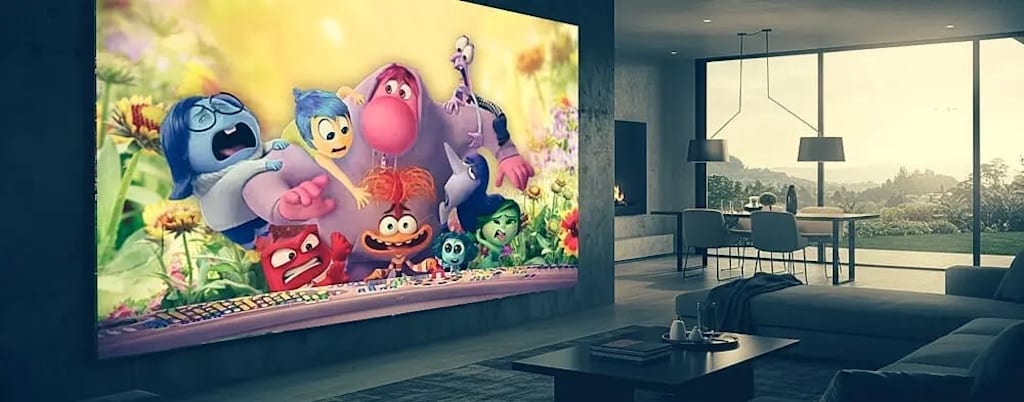
In recent years, the film exhibition industry has undergone a quiet but significant transformation. Traditional projection systems, long considered the backbone of cinema, are now being complemented—and in some cases replaced—by advanced LED-based solutions. Among these innovations, the cinema LED display has emerged as a compelling alternative, offering a new way to experience visual storytelling.
Understanding LED Display Technology
At its core, a light emitting diode is a semiconductor device that emits light when an electric current passes through it. Unlike traditional projection systems that rely on reflected light, LED displays generate their own illumination. This fundamental difference leads to improved brightness, contrast, and color accuracy.
The broader category of LED display technology has been widely used in advertising billboards, stadium screens, and consumer electronics. However, adapting it for cinematic use requires higher precision, finer pixel pitches, and careful calibration to meet the standards expected in movie theaters.
How Cinema LED Displays Work
A cinema LED display consists of numerous small LED modules arranged to form a seamless screen. Each module contains tiny LEDs that emit red, green, and blue light, combining to produce a full spectrum of colors. Because each pixel is self-emissive, the screen can achieve deeper blacks and higher contrast ratios compared to projection systems.
Unlike projectors that require controlled lighting conditions, LED screens maintain consistent brightness regardless of ambient light. This capability allows for more flexibility in theater design and enhances visibility across all seating positions.
Advantages Over Traditional Projection
One of the most noticeable benefits of a cinema LED screen is its superior image quality. The brightness levels are significantly higher than standard projectors, making visuals appear more vivid and lifelike. Additionally, the contrast ratio is enhanced because LEDs can turn off completely to produce true black tones.
Another advantage is uniformity. Projection systems can sometimes suffer from uneven brightness or focus issues, particularly on larger screens. In contrast, LED displays offer consistent image quality across the entire surface.
Durability and maintenance also play a role. Traditional projectors require regular bulb replacements and calibration, while LED systems generally have longer lifespans and lower maintenance needs. This makes them an attractive option from an operational standpoint.
Challenges and Considerations
Despite their benefits, cinema LED displays are not without challenges. One of the primary concerns is cost. The initial investment for LED-based cinema systems can be significantly higher than that of projection systems. This factor can limit widespread adoption, especially for smaller theaters.
Another consideration is content compatibility. Films are traditionally mastered for projection, and adapting them to LED screens may require adjustments in brightness and color grading. Ensuring that content creators and exhibitors align on standards is essential for maintaining visual consistency.
There is also the matter of installation. LED screens are modular and require precise assembly and calibration. Any misalignment can affect image quality, making professional setup crucial.
The Role of LED Displays in Modern Cinema
The introduction of cinema LED display technology reflects a broader trend toward innovation in entertainment experiences. As audiences become more accustomed to high-quality visuals in personal devices, expectations for cinematic presentations continue to rise.
LED technology enables new possibilities, such as ultra-high-definition visuals, improved 3D performance, and even interactive or immersive environments. While it may not completely replace traditional projection in the near future, it is likely to coexist and evolve alongside it.
A Balanced Perspective
It is important to view cinema LED technology not as a replacement, but as an alternative approach to delivering visual content. Each system—whether projection or LED—has its own strengths and limitations. The choice ultimately depends on factors such as budget, venue size, and audience expectations.
As the technology matures and becomes more accessible, it may play a larger role in shaping the future of cinema. For now, it stands as a testament to how innovation continues to redefine the way stories are presented on the big screen.
About the Creator
Enjoyed the story? Support the Creator.
Subscribe for free to receive all their stories in your feed.
Comments
There are no comments for this story
Be the first to respond and start the conversation.