
The Psychology Behind Personalization: Why Customized Marketing Works
Business to Business Marketing

A powerful marketing approach gaining traction is personalization—the practice of tailoring messages, products, and experiences to align with the specific preferences and requirements of each customer. But what is the underlying principle behind this powerful tactic?
The answer lies in psychology. Grasping the psychological factors that influence consumer behavior is essential for brands aiming to build a stronger connection with their audience. Personalization is not merely about addressing customers by name or sending them birthday discounts; it's about creating meaningful interactions that resonate emotionally and socially. When customers feel that a brand truly gets them, they're more likely to interact, trust, and stick with that brand.
The psychology behind personalization is rooted in various human behaviors and motivations, including the desire for connection, emotional engagement, and trust. By using these psychological triggers, brands can create experiences that grab attention and build long-term relationships. As data analytics become more advanced, marketers can also collect and study customer data to create highly targeted campaigns that cater to individual preferences and behaviors.
How emotions influence decision-making
Emotions significantly shape our decision-making process, often having a stronger impact on our choices than rational thought. Human decisions are often driven more by emotion than logic, and personalization taps directly into emotional triggers, creating deeper connections with consumers.
When brands personalize their messaging to align with a consumer’s interests, preferences, or past behaviors, they evoke emotions like excitement, trust, or a sense of being valued, which influence a customer’s decision-making process. These feelings can lead to stronger brand loyalty and higher conversion rates.
For instance, an email that includes a customer’s name and recommends products based on their purchase history not only feels more relevant but also creates a personal touch that fosters trust. In contrast, generic marketing messages can evoke feelings of indifference or annoyance, leading to disengagement.
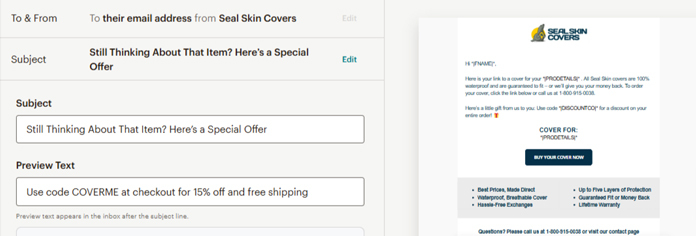
Emotion also plays a role in loyalty. When customers establish an emotional link with a brand through regular, personalized interactions, they tend to remain loyal and become advocates for that brand. This kind of emotional involvement enhances the relationship between the customer and the brand, resulting in greater trust and lasting commitment.
The scarcity principle
The scarcity principle is a psychological idea that highlights why individuals often assign greater worth to items that are scarce or available in limited quantities. In marketing, this principle taps into the fear of missing out (FOMO), motivating consumers to act quickly before an opportunity or product becomes unavailable.
When it comes to personalized marketing, the scarcity principle becomes even more powerful. By implementing personalized marketing strategies, brands can cultivate a feeling of exclusivity for customers through unique offers, such as time-sensitive discounts, priority access to products, or customized deals specifically designed for each individual.
For instance, a brand could reach out to a customer with a customized alert about a unique discount on a product they’ve previously shown interest in, noting that the offer is available for a short period or has limited availability. This creates urgency, making the customer feel like they have a unique opportunity that they shouldn’t miss.
By combining personalization with scarcity, brands can make their offers feel more valuable and prompt quicker buying decisions, as customers are driven by the desire to secure something special before it’s gone.
Building trust and loyalty
Establishing trust and loyalty is essential in personalized marketing, as it significantly impacts the enduring connections between a brand and its customers. Personalization makes customers feel understood, appreciated, and valued, which naturally fosters trust. When a brand tailors its messages, offers, and products to the specific needs and preferences of individual customers, it signals attentiveness and care, creating a stronger emotional bond.
For example, when a company uses customer data to recommend relevant products based on past purchases or sends personalized birthday discounts, it shows that the brand is paying attention to each customer's unique experience. This makes the customer feel special, increasing their likelihood to return and engage with the brand over time.
Trust is further built when customers consistently receive relevant and accurate personalized communications. When they see that a brand delivers on its promises and consistently provides value, their loyalty grows. As time goes on, these tailored interactions result in higher levels of customer satisfaction, encouraging repeat purchases and fostering brand advocacy, where satisfied customers promote the brand by sharing their positive experiences with others.
An impressive 88% of marketers across the United States have reported seeing significant benefits from their personalization strategies, with more than half noting an increase exceeding 10%.
The power of data
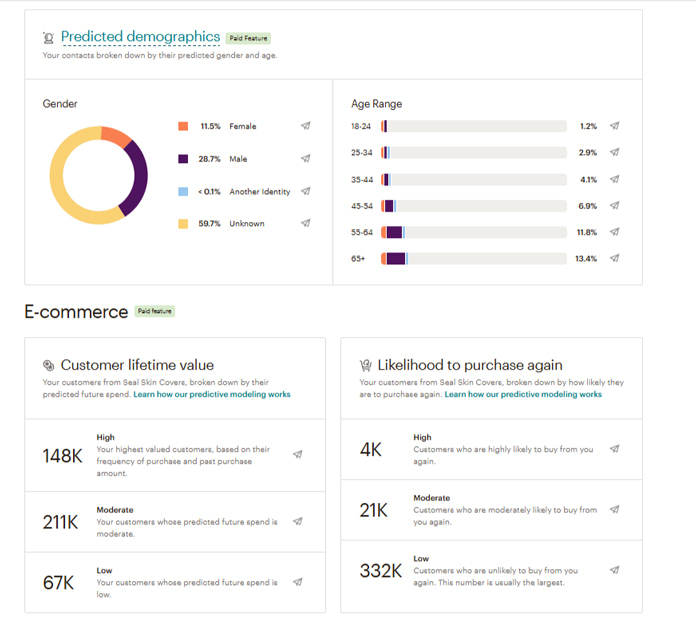
Data helps marketers track what customers are interested in, from browsing habits to past purchases, and even interactions with customer service. By analyzing this information, brands can create personalized recommendations, offers, and content that resonate with each consumer.
For example, a clothing retailer might send tailored product suggestions based on previous purchases or browsing activity, making the shopping experience more relevant and engaging.
Beyond just recommendations, data enables brands to segment their audience and deliver personalized messages at the right time, through the right channels. Such precision ensures that customers receive content that feels timely and specific to their needs, increasing the chances of engagement and conversion.
The power of social proof
Personalization can utilize the principle of social proof, emphasizing that people frequently consider the behaviors and decisions of others to make their own choices. Brands can use personalized marketing to show customers how others with similar preferences are engaging with their products.
For example, a brand might highlight that a customer’s peer group is using a certain product, or that a personalized recommendation is popular among people with similar tastes. This creates a sense of validation and encourages customers to make a purchase, as they feel reassured by the actions of others.
The convenience factor
Finally, personalization offers convenience. Modern consumers anticipate that brands will proactively recognize their needs and deliver relevant content that simplifies their decision-making journey.
Personalized marketing streamlines this process by presenting customers with products or services tailored to their interests, eliminating the need to wade through unrelated information. This convenience factor enhances the customer experience and increases the likelihood of conversion.
Final thoughts
At its core, personalization appeals to a fundamental human desire: connection. People naturally seek relevance and meaning in their interactions. When brands customize their messages based on individual preferences and behaviors, they create a sense of belonging and recognition. This idea is based on the psychological principle of self-concept, which highlights that people have a deep desire to showcase their identities.
Personalized marketing allows customers to see aspects of themselves in the brands they interact with, creating a sense of being understood and appreciated.
In a world where every interaction counts, brands that prioritize personalization will undoubtedly stand out in the minds of consumers and enjoy lasting success.
About the Creator
Andy Beohar
Andy Beohar is the Managing Partner at SevenAtoms, a leading PPC Advertising agency. At SevenAtoms, Andy plays a strategic role in managing paid search campaigns. Let's connect on LinkedIn and Twitter!
Enjoyed the story? Support the Creator.
Subscribe for free to receive all their stories in your feed.
Comments
There are no comments for this story
Be the first to respond and start the conversation.