
The Importance of Personal Branding in Digital Marketing
How Building a Strong Personal Brand Can Elevate Your Digital Presence, Establish Authority, and Unlock New Career Opportunities
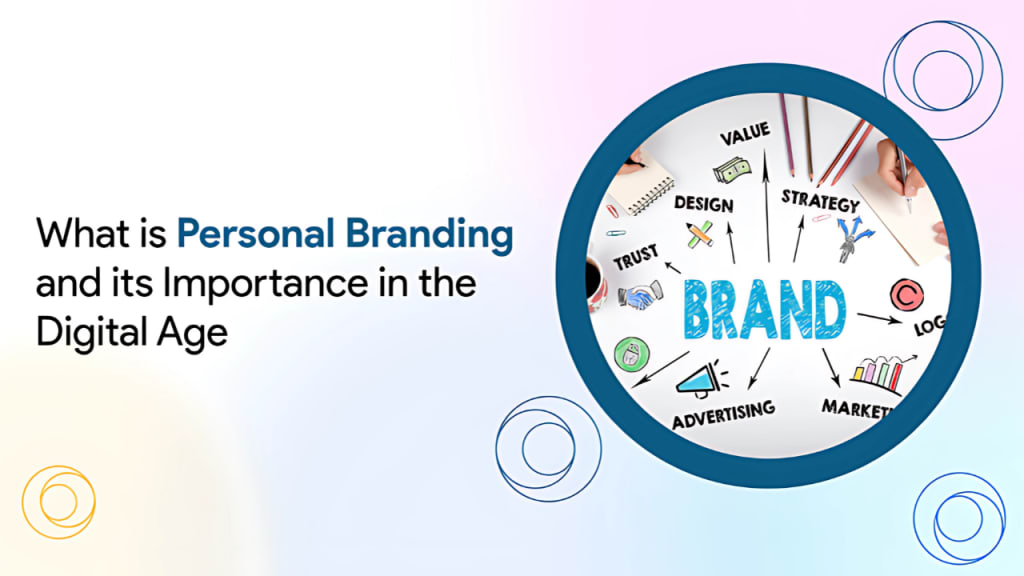
Introduction
In today’s digital world, personal branding is no longer just an option—it’s a necessity. With the rise of social media and online platforms, professionals and entrepreneurs need to establish a distinct online presence that communicates their expertise, values, and credibility. Whether you're a freelancer, an influencer, or a corporate executive, a well-crafted personal brand can elevate your career and open doors to new opportunities.
This blog will explore the importance of personal branding in digital marketing, its impact on professional growth, and the key strategies to build and maintain a powerful personal brand. We will also look at real-world examples of successful personal brands and how they leveraged digital marketing to achieve success.
What is Personal Branding?
Personal branding refers to the process of marketing yourself as a brand. It involves defining your unique value proposition, communicating your expertise, and consistently presenting yourself in a way that builds trust and recognition. Just as companies create strong brand identities, individuals must also cultivate a compelling personal brand that differentiates them from others in their industry.
Why Personal Branding Matters in Digital Marketing
1. Establishing Authority and Credibility
A strong personal brand positions you as a thought leader in your field. When people perceive you as an expert, they are more likely to trust your insights, recommendations, and business offerings. Content marketing, blogging, podcasting, and public speaking are effective ways to establish your authority.
Example: Neil Patel, a digital marketing expert, has built a strong personal brand by consistently publishing high-quality content, speaking at global conferences, and engaging with his audience. His name is now synonymous with SEO and digital marketing.
2. Building Trust and Relationships
In a crowded digital space, trust is a key differentiator. A well-developed personal brand fosters trust by demonstrating transparency, authenticity, and consistency. People are more likely to engage with a brand they trust and feel connected to.
Pro Tip: Regularly share behind-the-scenes content, personal stories, and testimonials to humanize your brand and make it more relatable.
3. Enhancing Career and Business Opportunities
A strong personal brand can open doors to job offers, business partnerships, speaking engagements, and client inquiries. Employers and clients often research individuals online before making hiring or purchasing decisions, and a well-established brand can give you a competitive edge.
4. Influencing and Thought Leadership
By consistently sharing valuable insights, opinions, and expertise, you can position yourself as a thought leader in your industry. This enhances your ability to influence decisions, shape conversations, and attract followers who resonate with your views.
(For insights on thought leadership, visit Inspired Business Media)
5. Standing Out in a Crowded Market
With millions of professionals vying for attention online, a strong personal brand helps you stand out. A unique brand story, engaging content, and a distinct voice make you memorable to your target audience.
How to Build a Strong Personal Brand in Digital Marketing
1. Define Your Brand Identity
To build a strong personal brand, start by identifying your core values, strengths, and passions. Consider the following questions:
What skills and expertise do I bring to the table?
What do I want to be known for?
What unique value do I offer?
What are my personal and professional values?
Once you define these aspects, craft a clear and compelling brand statement that encapsulates your mission and vision.
2. Optimize Your Online Presence
Your digital presence is the foundation of your personal brand. Here’s how to enhance it:
Professional Website: Create a personal website showcasing your portfolio, achievements, and blog posts.
Social Media Profiles: Optimize LinkedIn, Twitter, Instagram, and Facebook with a professional bio and high-quality profile picture.
Consistent Branding: Use the same color schemes, fonts, and imagery across all platforms.
A strong online presence also includes leveraging digital marketing strategies. For instance, a leading digital marketing agency in Dubai and Abu Dhabi, offers premium services to enhance personal and corporate branding, making it easier to build authority online.
(For social media branding tips, visit Digital Marketing Institute)
3. Create High-Quality Content
Content marketing plays a vital role in personal branding. Share valuable content that educates, informs, and inspires your audience. Effective content types include:
Blog Posts: Write in-depth articles on industry trends, tips, and insights.
Videos: Use YouTube, Instagram Reels, and Tik Tok for short-form and long-form content.
Podcasts: Share your expertise through audio content on Spotify and Apple Podcasts.
Guest Blogging: Contribute articles to reputable websites to expand your reach.
(For content marketing strategies, check out Semrush Blog)
4. Engage with Your Audience
Building a personal brand is not just about content creation; it’s also about engagement. Respond to comments, participate in discussions, and interact with your audience through live sessions, webinars, and Q&A forums.
5. Leverage Networking and Collaborations
Networking is a key aspect of personal branding. Attend industry events, join online communities, and collaborate with influencers or professionals in your niche.
(For networking tips, visit Hubspot Blog)
6. Monitor and Improve Your Brand Reputation
Reputation management is essential to maintaining a positive brand image. Regularly monitor mentions of your name and address any negative feedback professionally. Tools like Google Alerts and Brand24 can help track your online reputation.
Case Studies: Successful Personal Brands in Digital Marketing
1. Gary Vaynerchuk
Gary Vaynerchuk, also known as GaryVee, built a strong personal brand by leveraging content marketing, social media engagement, and public speaking. His brand is centered around motivation, entrepreneurship, and marketing insights.
2. Marie Forleo
Marie Forleo is an entrepreneur, writer, and motivational speaker who has built a brand focused on personal development and business coaching. She uses YouTube, blogging, and podcasting to engage with her audience.
3. Rand Fishkin
Rand Fishkin, founder of Moz, established his personal brand by consistently sharing SEO insights and digital marketing strategies. His authenticity and expertise have made him a trusted authority in the industry.
Common Mistakes to Avoid in Personal Branding
1. Lack of Consistency
Having an inconsistent online presence confuses your audience. Ensure that your messaging, visuals, and tone remain uniform across all platforms.
2. Neglecting Authenticity
Trying to be someone you’re not can backfire. Stay true to your personality, values, and expertise.
3. Ignoring Engagement
Simply posting content is not enough. Engage with your audience to build meaningful relationships.
Conclusion
Personal branding in digital marketing is not just about self-promotion—it’s about building trust, establishing authority, and creating long-term value. By defining your brand identity, optimizing your online presence, creating high-quality content, engaging with your audience, and leveraging networking, you can develop a powerful and lasting personal brand.
Start today and take control of your digital presence. The more effort you put into personal branding, the greater the rewards you’ll reap in your career and business.
About the Creator
Enjoyed the story? Support the Creator.
Subscribe for free to receive all their stories in your feed.
Comments
There are no comments for this story
Be the first to respond and start the conversation.